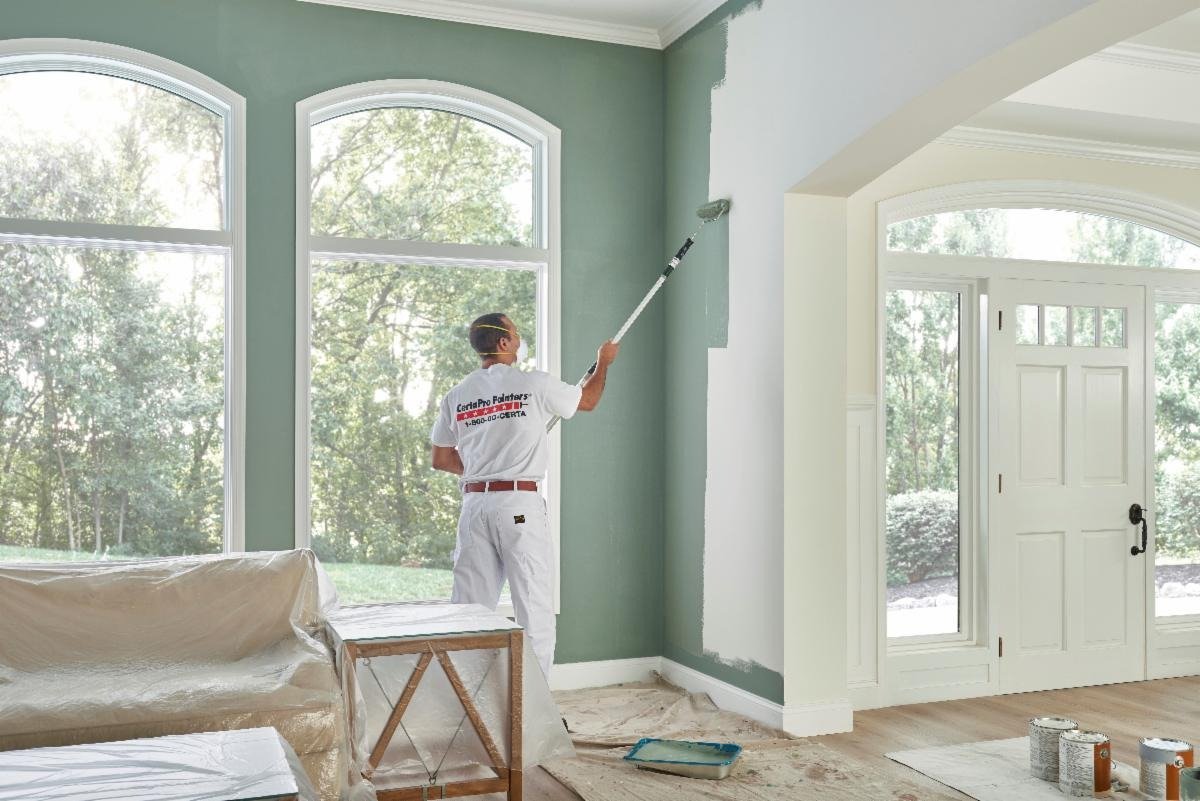
A fresh coat can make a Loomis home feel completely different, but the real test comes months later. Peeling trim, faded exterior walls, uneven coverage, and visible patch marks usually point to problems that existed before the final coat. OP Painting approaches local projects with that reality in mind, focusing on the condition of the surface as much as the color selected.
For homeowners, painting is not simply about changing a wall from beige to white. The right preparation, coating, application method, and timing all affect how the finished surface performs.
What Professional Painting Actually Involves
A professional project starts well before a roller or spray gun touches the surface. The first step is an inspection of walls, ceilings, siding, trim, doors, stucco, or other surfaces included in the scope. Cracks, peeling areas, stains, loose coatings, nail holes, and damaged caulk should be identified before work begins.
Preparation can include washing, scraping, sanding, patching, caulking, masking, and spot priming. The exact process depends on the substrate and its current condition. A smooth interior wall may need light sanding and patching, while an older exterior may require considerably more preparation.
In Loomis, we’ve noticed that most homeowners focus on the visible finish first and ask about preparation later. That order is understandable, but the preparation often has a greater effect on longevity than the final color choice.
Interior projects can also involve more detail than homeowners expect. Baseboards, window trim, doors, crown molding, stair components, and repaired drywall all require different techniques. Good interior work should leave clean transitions without obvious brush marks, roller lines, or flashing around repaired areas.
Exterior surfaces bring another set of concerns. Stucco, wood siding, fiber cement, fascia, soffits, and garage doors can each respond differently to primers and coatings. Using one product across every surface simply because the color matches is not always the right approach.
The Real Challenge in Loomis, CA
Loomis properties experience strong Northern California sun, seasonal rain, temperature changes, dust, and varying levels of shade from mature trees. South- and west-facing exterior surfaces can receive substantial sunlight, while shaded areas may dry differently after rain or cleaning. Local properties also range from older homes to custom houses on larger lots, so no two projects have exactly the same preparation needs.
A common homeowner objection is simple: Why does a professional quote cost more than the cheapest estimate?
That question deserves a practical answer. Two contractors may appear to be pricing the same job, but one proposal may include extensive scraping, caulking, repairs, primer, multiple finish coats, and protection of surrounding areas. Another may assume the existing surface is ready for paint. The lower number can look attractive until extra work appears halfway through the project.
A client in Loomis reached out after noticing that paint around several exterior window areas was beginning to peel. The problem was not solved by simply adding another coat because the old coating was failing and some caulk joints had deteriorated. After removing loose material, correcting the affected areas, and preparing the surfaces properly, the repaint could address the underlying condition rather than covering it temporarily.
This is one question many generic painting pages do not answer clearly: What happens if the surface is not suitable for a new coat? A responsible contractor should identify that before the project begins and explain which repairs are necessary, optional, or outside the original scope.
Local painting pages often cover basic interior and exterior services, estimates, and surface preparation. The stronger gap is explaining how homeowners can compare estimates based on the actual work included, rather than comparing only the final dollar amount.
How OP Painting Approaches It Differently
OP Painting’s approach centers on assessing the surface before deciding how the work should be performed. That means looking at the existing coating, identifying repairs, considering the substrate, and determining where primer or additional preparation is appropriate.
A useful project sequence generally looks like this:
- Initial inspection: Identify surface damage, peeling, stains, cracks, holes, and areas that need attention.
- Project scope: Establish exactly which walls, ceilings, trim, siding, doors, or other surfaces are included.
- Preparation: Clean, scrape, sand, patch, caulk, and prime according to the surface condition.
- Protection: Cover floors, fixtures, furniture, windows, landscaping, and nearby areas before application.
- Application: Apply the selected coating using the appropriate brush, roller, or spray method.
- Inspection: Check coverage, edges, trim lines, repaired areas, and finish consistency before the job is considered complete.
The local advantage is knowing that exterior conditions can affect scheduling and application. Hot, dry weather can influence how quickly coatings set, while moisture and shaded areas can change drying conditions. Planning around those factors helps reduce problems such as poor adhesion or uneven curing.
Another useful distinction is the difference between appearance and performance. A premium product cannot compensate for a dirty, chalky, loose, or poorly repaired substrate. Likewise, excellent preparation cannot make an unsuitable coating perform well on the wrong surface.
Current local competitors highlight preparation, interior and exterior work, specialty finishes, and project protection. Some also discuss detailed product systems and surface-specific methods. A useful takeaway for homeowners is to ask not only what brand of paint will be used, but also why that coating is appropriate for the surface and exposure.
Practical Tips: What to Know Before You Decide
Before accepting an estimate, ask for enough detail to understand what you are actually buying.
Check the preparation scope.
Ask whether washing, scraping, sanding, caulking, patching, and priming are included. If preparation is vague, two estimates may not be comparable.
Ask about the number of coats.
The required number can vary based on the existing color, surface condition, product, and desired finish. A contractor should explain the expected application rather than making an unrealistic one-size-fits-all promise.
Confirm what gets protected.
For an occupied home, clarify how floors, furniture, windows, fixtures, landscaping, and walkways will be protected. Cleanup should also be part of the conversation.
Look closely at exterior repairs.
Paint should not be used to hide damaged wood, failing caulk, active moisture problems, or deteriorating stucco. Those conditions may need correction before coating begins.
Compare estimates by scope, not just price.
An affordable painting services quote is useful only if it covers the same level of preparation, materials, labor, and cleanup as competing proposals. A lower price can reflect fewer preparation steps rather than better efficiency.
Think about timing.
Loomis homeowners should consider seasonal weather, sun exposure, and the property’s shade patterns. Exterior work may need to be scheduled around temperature and moisture conditions rather than simply around the homeowner’s preferred date.
Working with clients in Loomis, our team found that homeowners are often surprised by how much preparation is involved in apparently simple repainting jobs. That is especially true for older trim, previously patched walls, sun-exposed siding, and surfaces that have received several earlier coats.
One overlooked detail is color history. A dramatic change from a dark color to a much lighter shade can require different coverage considerations than repainting a similar tone. Strong color changes should be discussed before the estimate is finalized so expectations are realistic.
For interior house painting in Loomis, CA , homeowners should also consider how natural light changes throughout the day. A color that looks neutral under morning light can appear warmer or cooler in the afternoon. Testing samples near major windows can prevent an expensive color regret after the full room has been coated.
Make the Estimate About More Than the Final Color
A durable finish begins with an honest assessment of the surface, not simply a selection from a paint fan. Homeowners in Loomis can make better decisions by comparing preparation, coating specifications, protection, cleanup, and scheduling alongside the quoted price.
For residential and commercial painting in Loomis, OP Painting gives homeowners a practical starting point: inspect the property, clarify the scope, and discuss the condition of each surface before work begins. If you are planning a repaint, request an estimate that clearly explains the preparation and application steps so you can compare your options with confidence.
FAQs
1. How much does it cost to paint a house in Loomis, CA?
Painting costs in Loomis vary based on home size, surface condition, interior or exterior scope, number of coats, trim, repairs, and materials. Local estimates can differ significantly because preparation requirements are not always the same. The most useful quote is one that clearly lists labor, preparation, coatings, and cleanup rather than giving only a total price.
2. How long does a house painting project take in Loomis?
A small interior project may take a few days, while a full home or exterior repaint can take longer. Surface preparation, home size, number of colors, repairs, drying conditions, and weather all affect scheduling. Exterior work can require additional flexibility during periods of heat, rain, or high moisture.
3. What should I ask a painter before hiring them?
Ask what preparation is included, which surfaces will be coated, how repairs are handled, what products are planned, how many coats are expected, and what protection and cleanup are provided. You should also verify licensing and insurance where applicable, check recent reviews, and request a written scope rather than relying on a verbal estimate.
4. Is interior house painting worth hiring a professional for?
Professional interior work can be worthwhile when walls need repairs, rooms have detailed trim, ceilings are difficult to access, or you want consistent coverage and clean lines. A skilled crew can also protect floors and furnishings while handling preparation. For simple rooms in good condition, however, capable homeowners may choose to handle some work themselves.
5. How can I tell if a painting contractor is legitimate?
Start by checking the contractor’s California license status when licensing applies to the project, then verify insurance and look for a consistent business presence. Ask for a written estimate that identifies preparation, materials, labor, and payment terms. Recent reviews and project photos can provide useful evidence, but they should support—not replace—basic credential checks.