Introduction
Walking into an oil refinery, a busy chemical plant, or a dusty grain silo makes one thing instantly clear: ordinary electronics just will not survive here, which is why Explosion-Proof Control Panels are the absolute backbone of modern industrial safety. When the air around you is filled with flammable vapors, stray gases, or thick clouds of combustible dust, even a tiny spark from a regular light switch can trigger a massive disaster. In everyday factories, automated machines rely on standard electrical boxes to turn motors on and off, read temperatures, and keep production moving smoothly. However, in high-risk environments, those regular boxes become ticking time bombs because electrical switches naturally create tiny arcs of electricity every time they open or close. To run automated systems without putting workers and facilities in danger, engineers rely on heavy-duty, specially engineered enclosures that trap any internal spark before it ever reaches the volatile air outside. By keeping electrical brains completely isolated from surrounding hazards, Explosion-Proof Control Panels allow companies to automate tough, dangerous jobs with total peace of mind.
Why Standard Electronics Fail in Dangerous Workplaces
To understand how these heavy-duty systems protect a facility, it helps to picture the fire triangle you probably learned about in school. A fire or explosion needs three things happening at the same time: fuel, oxygen, and a heat source. In places like paint booths, pharmaceutical labs, or offshore drilling rigs, fuel is constantly floating in the air as invisible gas or fine powder, and oxygen is obviously everywhere. That means two sides of the triangle are already sitting there waiting. All it takes is a tiny bit of heat—like a frayed wire, an overheating relay, or a microscopic spark inside a circuit breaker—to complete the triangle and cause a catastrophic blast.
Because regular control cabinets have thin metal doors, rubber gaskets that degrade over time, and open vents to let heat escape, flammable fumes easily drift inside. Once those gases mix with the air inside the box, the next time a relay clicks on, boom. Special hazardous location enclosures solve this problem using a surprisingly clever approach. Instead of trying to make a box 100% airtight—which is nearly impossible over years of temperature changes and vibrations—these units are built like miniature bank vaults. They are thick enough to contain an internal explosion without cracking, and their seams are machined so tightly that any hot gases escaping the box cool down completely before they reach the outside atmosphere.
Key Features of Explosion-Proof Control Panels
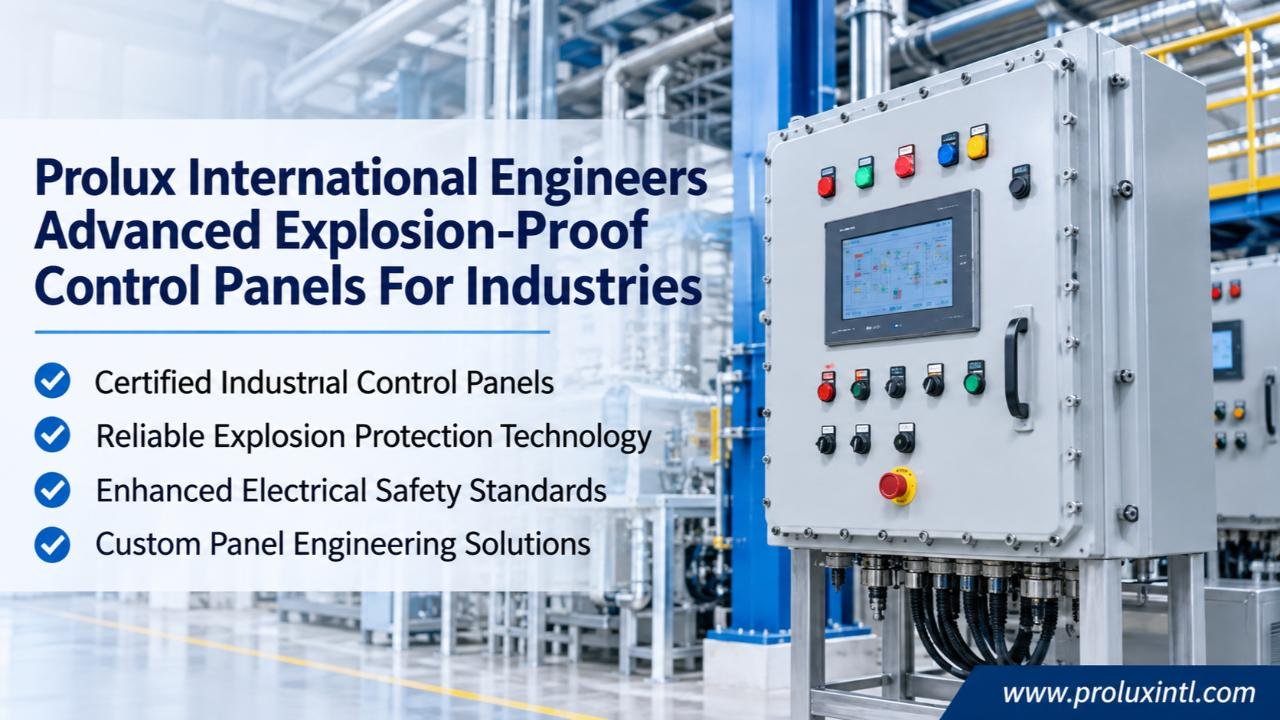
When you look closely at one of these rugged systems, you immediately notice they look and feel very different from the gray sheet-metal cabinets hanging on the wall of a normal warehouse. Everything about their construction is overbuilt to handle extreme stress, heat, and pressure.
-
Ultra-Thick Cast Metal Housings: Instead of thin bent steel, these cabinets are usually cast from thick, copper-free aluminum or heavy-duty stainless steel. If a spark ignites gas trapped inside the box, the walls are strong enough to absorb the blast wave without bulging, splitting, or blowing the door off its hinges.
-
Precision Flamepaths: This is easily the coolest engineering trick in the entire setup. The doors and joints do not rely on squishy foam seals to keep danger out; instead, they feature wide, flat, or threaded metal-to-metal surfaces called flamepaths. If an internal ignition happens, the burning gas has to squeeze through this super-narrow metal gap to escape, losing all its heat along the way so only harmless, cool gas exits the box.
-
Sealed Conduit Entries: Wires have to get in and out of the cabinet to talk to sensors and motors across the floor. Every single cable entry point uses specialized threaded hubs and pouring seals filled with hard-setting compound so flames or gases cannot travel down the pipes into another room.
-
External Operators and Viewing Windows: Workers still need to press start buttons, twist selector switches, and read digital gauges without opening the heavy bolted door. These cabinets use specially sealed shafts for buttons and extra-thick tempered glass windows so operators can monitor and control the system safely from the outside.
Choosing the Right Explosion-Proof Control Panels for Your Facility
Not every risky workplace faces the exact same kind of threat, so picking the right setup comes down to understanding what is floating around your facility. A coastal gas terminal deals with completely different hazards than a flour mill or a woodworking shop.
Understanding Gas Versus Dust Hazards
Flammable vapors like propane, methane, or gasoline fumes behave very differently from combustible solids like coal dust, sugar, or fine aluminum shavings. Gas environments require cabinets designed to handle sudden, high-pressure vapor ignitions, while dusty locations need tight seals that prevent thick layers of powder from settling onto hot electrical components and smoldering like a charcoal briquette.
Matching the Environment and Weather
Many automated systems sit outside in the pouring rain, baking desert sun, or salty ocean spray. Beyond stopping sparks, your cabinet needs the right weatherproof rating so rust and moisture do not eat away at those crucial metal flamepaths over time. Stainless steel is usually the go-to choice near saltwater or harsh chemicals, while coated cast aluminum works great for general indoor and outdoor industrial sites.
Planning for Heat and Future Growth
Because you cannot just cut a hole in the side of an explosion-proof box and slap on a cheap cooling fan, managing internal heat takes smart planning. Components inside generate warmth, so engineers have to calculate heat buildup carefully or add specialized vortex coolers. Leaving a little extra space inside the enclosure during the initial build also saves huge headaches later when you want to add another sensor or upgrade a controller.
Conclusion
Running modern automation in volatile environments does not mean choosing between high productivity and keeping your team safe. By isolating sparks, containing internal pressure, and cooling down escaping gases, well-built control systems turn high-risk industrial zones into reliable, smoothly running operations. Whether you are upgrading an aging factory line or building a brand-new processing plant from the ground up, investing in properly certified hardware protects your people, your equipment, and your bottom line from preventable disasters. If you are looking for dependable, custom-engineered safety solutions built to handle the toughest industrial conditions, reaching out to Prolux International is a great way to get your next automation project started on solid ground.