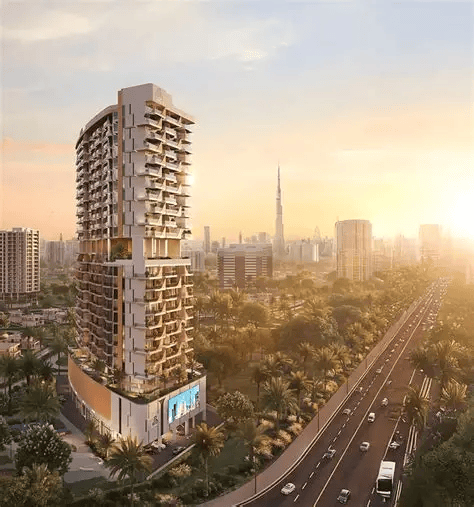
A townhouse in Dubai sits between an apartment and a villa: more space and private outdoor area than most flats, usually for less than a detached home. But you are also buying into a developer’s standards, a community and its rules, and a set of running costs that last as long as you own it. Price per square foot tells you very little about any of these.
Before you shortlist listings, use these eight checks to judge whether a townhouse for sale in Dubai deserves its asking price.
- Confirm You Can Own It and the Title Is Clean
Foreign nationals can buy property in Dubai’s designated freehold areas, so first confirm that the community qualifies.
- Resale home: ask for the title deed and check with the Dubai Land Department (DLD) that the seller is the registered owner and the property carries no mortgage or other restriction.
- Off-plan unit: confirm the project is registered with DLD before you pay anything, including a reservation fee.
- Look at the Developer Before the Project
Brochures look alike; delivery records don’t. Find out:
- what the developer has completed
- whether those homes were handed over on time
- how the finished communities look a few years later
The Dubai REST app, DLD’s official platform, lets you verify registered developers and track their current projects. Tranquil Developers, for example, shares construction progress updates on its website. Whoever you buy from, check the developer’s updates against the official record.
- Test the Layout Against Daily Life
A townhouse spreads its living space across two or three floors, so the layout matters more than the headline size.
- Built-up area vs plot size: portal listings sometimes show inaccurate or inconsistent sizes. Rely on the area stated in the sale agreement (SPA), Oqood certificate or title deed.
- Unit position: end units share one wall and may get more natural light. Middle units are often priced lower but share walls on both sides.
- Orientation: west-facing rooms take the afternoon sun, which affects comfort and cooling bills.
- Stairs: check whether there is a ground-floor bedroom for older relatives or guests.
- Practical details: storage, parking, and whether neighbouring roof terraces overlook your garden.
If a layout asks for too many compromises, compare it with larger apartments. Some flats for sale in Jumeirah Village Circle, for instance, come with balconies or private plunge pools and often need less upkeep than a townhouse.
- Ask for the Specification, Not the Show Home
Show homes may include upgrades. Ask for the written specification schedule covering:
- flooring and kitchen and bathroom fittings
- appliances and glazing
- roof and terrace waterproofing
- the air-conditioning system
Confirm what is standard and what costs extra. For any new home, book an independent snagging inspection before you accept the keys. Defects are usually simpler to resolve before you sign the handover documents.
- Work Out the Full Purchase Cost
The advertised price is only part of the bill.
| Cost | What to know |
| DLD transfer fee | 4% of the price. It can legally be split with the seller, but buyers usually pay it in full, so check your contract |
| Off-plan registration (Oqood) | The same 4% is paid when the off-plan sale is registered, unless the developer covers it, and not again at handover |
| Admin and trustee fees | Set charges that vary by transaction type and value |
| Agency commission | Common on resale purchases; usually not charged when buying directly from a developer |
| Mortgage costs | Registration, valuation and bank processing fees |
| Moving-in costs | Utility connections, deposits and furnishing |
- Check Service Charges Before You Commit
Service charges cover security, landscaping and shared facilities, and townhouse owners may contribute at master-community level as well as to their own cluster.
Don’t rely on an agent’s estimate. Where the community is listed, DLD’s Service Charge Index, available online and in Dubai REST, shows approved rates by project and year. Multiply the rate by the area on the title deed to get your annual figure. If it isn’t listed, ask for the latest service charge invoice. Also ask whether the community uses district cooling, which usually carries its own charges.
- Judge the Community as It Is Today
New communities are often sold on what they will become. Visit during the school run or evening commute and check:
- which schools, clinics, shops and parks are open now
- how much construction continues nearby
- road access and peak-hour traffic
- whether promised amenities have completion dates
Project pages often list nearby facilities, as this one for a residential development in Majan does, but confirm each is open before you count it.
- Understand Your Off-Plan Protections
- Escrow: payments must go into a DLD-approved project escrow account, not the developer’s general account. Confirm the account details in Dubai REST before each payment.
- Payment plan: prefer instalments tied to construction milestones over fixed dates alone.
- Delays: read what the SPA says about late completion.
- Defects: in jointly owned communities, Dubai law makes developers liable for structural defects for ten years and for defective installations, such as electrical and mechanical works, for one year. That one-year period can start from the completion certificate if you refuse or fail to take handover.
- Resale before completion: this depends on developer policy and how much you have paid.
An independent lawyer’s review of the SPA is worth the fee.
Buying in a More Selective Market
Savills’ Dubai Residential Market in Minutes report for Q3 2026 puts average villa and townhouse prices at AED 1,523 per sq ft, down 3.3% on the quarter, while like-for-like prices held steady. That suggests careful selection matters more than timing. Verify each point through official channels, not marketing material, and you will judge every townhouse for sale in Dubai on what matters after you move in.
Frequently Asked Questions
Can foreigners buy a townhouse in Dubai?
Yes, in designated freehold areas, and you don’t need to live in the UAE. Parts of the process can be completed remotely, with an authorised representative signing on your behalf where needed.
What is the difference between a townhouse and a villa in Dubai?
A townhouse shares at least one wall with neighbouring homes and usually has a smaller plot. A villa stands on its own plot, generally with more privacy and a higher price.
Does buying a townhouse in Dubai give you a residency visa?
It can, depending on the property’s value and whether it is completed or off-plan. Dubai offers a 10-year Golden Visa for higher-value property and a two-year investor visa with separate conditions; both were updated in 2026, so confirm current rules with DLD or the immigration authority.
Is a townhouse a good investment in Dubai?
It depends on the property. Townhouses can attract longer-staying family tenants but may cost more to maintain. Compare net returns using DLD sales and rental data for that exact community.