Laboratory research requires materials that can be evaluated through clear specifications and appropriate analytical documentation. Researchers looking for research peptides for sale should consider more than product availability. Understanding compound identity, reported purity, batch testing, and supplier information can help laboratories make informed sourcing decisions.
What Are Research Peptides?
Peptides are molecules made up of amino acids connected through peptide bonds. They have different structures and chemical characteristics depending on their amino acid sequences.
Research peptides are supplied for scientific investigations involving biochemical, analytical, and molecular research.
Different compounds are associated with different areas of scientific literature. Researchers should therefore understand the identity and documented characteristics of each peptide before considering it for a laboratory project.
What to Check Before Selecting a Research Peptide
When evaluating a research material, several details deserve attention.
Compound Identity: The product should clearly identify the peptide or compound being supplied.
Quantity: The listed amount should be clearly specified.
Purity Information: Reported purity should be supported by relevant analytical documentation.
Batch Identification: Researchers should be able to identify the batch associated with the supplied material.
Storage Information: Product-specific storage requirements should be reviewed.
Intended Use: Laboratory research restrictions should be clearly understood.
These considerations help create a more organised approach to research procurement.
Why Third-Party Testing Matters
Third-party testing provides analytical information from an independent laboratory.
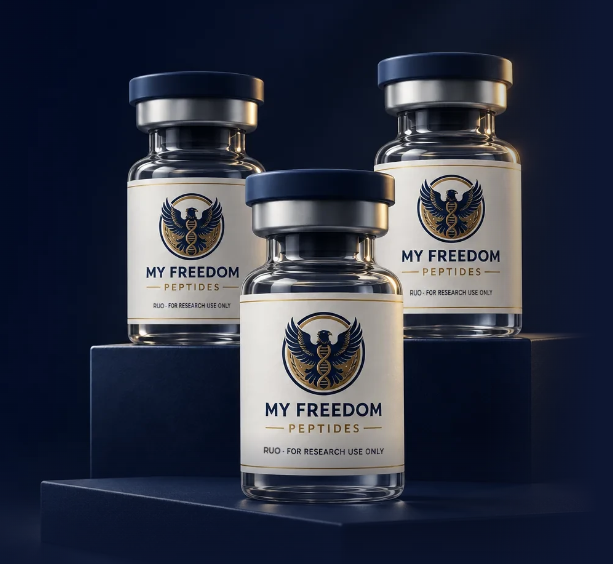
My Freedom Peptides highlights independent laboratory verification and publishes COA information for its products.
Its website identifies several testing categories:
- Purity.
- Identity.
- Net content or fill.
- Endotoxins.
- Heavy metals for select batches.
- Sterility for select batches.
The website describes purity, identity, net content, and endotoxin testing as routine COA information for nearly every listed product. Heavy metal and sterility results are available for selected products and batches.
Researchers should check the individual report because the testing performed can vary between products and batches.
The Role of a Certificate of Analysis
A Certificate of Analysis provides information about a tested material or batch.
It can help researchers review reported purity, identity testing, analytical methods, and other documented characteristics.
Before evaluating a COA, researchers should confirm that the product name and batch information correspond to the material being considered.
It is also important to understand the limitations of analytical testing. A purity measurement alone does not establish every characteristic of a product.
Exploring Research Peptide Categories
Research catalogues may contain several peptide categories and individual compounds.
My Freedom Peptides lists different research materials, including BPC-157, GHK-Cu, MOTS-C, and other compounds.
Each product has its own specifications and available documentation. Researchers should review the relevant product information instead of assuming that all materials have the same testing results or storage requirements.
Understanding Supplier Standards
Supplier transparency is an important consideration when reviewing laboratory materials.
My Freedom Peptides describes its products as U.S.-manufactured and highlights its independent testing and published analytical documentation.
Researchers should distinguish between general quality statements, documented manufacturing standards, and formal certifications.
For example, GMP compliance should only be claimed when the relevant manufacturing facility or process has appropriate supporting documentation. A supplier’s general quality standards do not independently establish GMP certification.
Shipping and Product Handling
Shipping arrangements can affect laboratory procurement schedules. Researchers should review order processing information, delivery estimates, packaging details, and applicable supplier policies.
After receiving materials, research personnel should check product identification and associated documentation before adding them to laboratory inventory.
Following supplier storage instructions and maintaining batch records can support material traceability.
Research-Only Restrictions
Research peptides supplied by My Freedom Peptides are intended strictly for laboratory, analytical, and scientific purposes.
They are not intended for human or veterinary consumption, administration, diagnosis, or therapeutic use. Qualified research personnel should follow appropriate laboratory safety procedures.
Conclusion
Selecting research peptides for sale involves reviewing compound identity, quantity, purity information, analytical testing, and supplier documentation.
A transparent sourcing process helps laboratories understand the materials they are evaluating. Reviewing product-specific COAs and following the stated research-only restrictions are important parts of responsible laboratory procurement.