For photo studios, small printing shops, and businesses that handle printed graphics, lamination is an important finishing step. It can help protect compatible prints from everyday handling while giving them a cleaner, more professional appearance. However, not every business needs a large automated machine. For operations with moderate workloads, a manual cold laminator may be worth considering.
Before purchasing, it is useful to understand how these machines work, what affects their cost, and which features matter most for everyday use.
What Is a Manual Cold Lamination Machine?
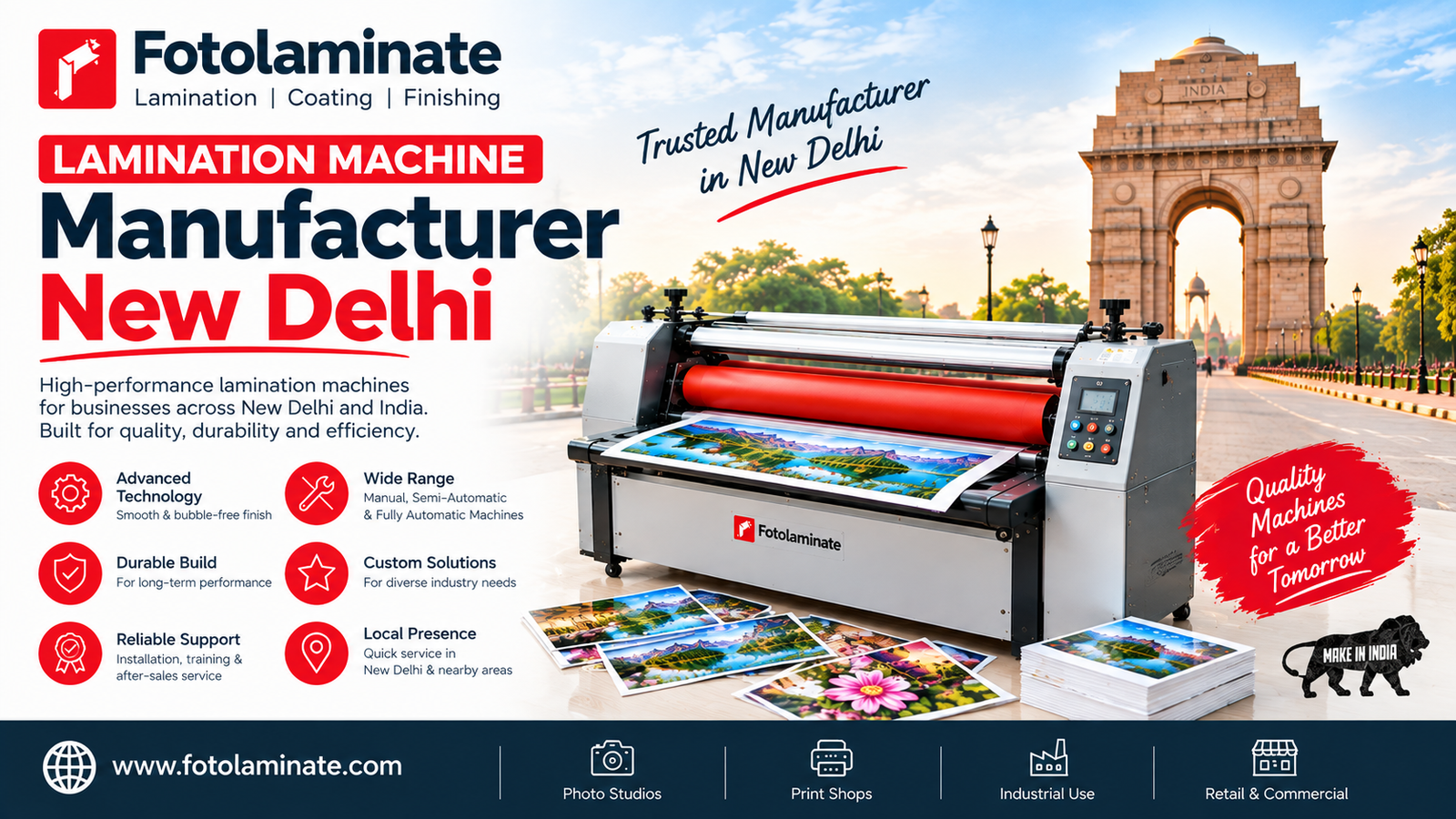
A manual cold laminating machine applies adhesive film to a print through pressure generated by manually operated rollers. Unlike hot lamination, the process does not rely on heat to activate the adhesive. It is suitable for compatible films and materials, including selected photographs, posters, graphics, and printed sheets.
Because the operator controls the feeding process, careful alignment and steady handling are important. Incorrect positioning or trapped dust can lead to bubbles, wrinkles, and uneven application.
Manual machines can be useful for businesses that:
- Handle small or moderate batches of printed material.
- Need a straightforward laminating setup.
- Want to avoid heat-based lamination for suitable applications.
- Have limited space for finishing equipment.
- Prefer a machine with a simple operating mechanism.
The right choice still depends on the materials being processed and the finish expected by customers.
Understanding Manual Cold Lamination Machine Price
The manual cold lamination machine price can vary depending on the working width, roller construction, frame quality, and overall design. Smaller machines intended for limited workloads may differ significantly from wider models designed for larger prints.
There is no single price that applies to every machine. Buyers should request current quotations for models that match their requirements and compare the included features.
Several factors can influence the final quotation:
Working width: A machine must accommodate the dimensions of your regular prints. Wider models may cost more because of their size and construction.
Roller quality: Roller materials, alignment, and adjustment mechanisms can affect handling and the consistency of the finish.
Build quality: The frame and operating mechanism should be suitable for the frequency and type of work the machine will perform.
Material compatibility: Check whether the machine supports the films and substrates used in your business.
After-sales support: Warranty coverage, replacement parts, and technical assistance should be considered alongside the purchase cost.
When comparing prices, make sure the specifications are similar. A lower quotation may not represent better value if the machine lacks an important feature or adequate service support.
Finding a Lamination Machine Manufacturer Delhi Businesses Can Approach
Businesses looking for a lamination machine manufacturer Delhi should evaluate the supplier’s technical knowledge as well as the equipment itself. A suitable manufacturer or supplier should be able to explain the differences between models and help buyers understand which machine fits their applications.
Before making a decision, ask about:
- Available machine sizes and working widths
- Roller construction and pressure adjustment
- Compatible cold-lamination films
- Operating instructions and routine maintenance
- Warranty terms and availability of spare parts
- Demonstrations or technical guidance, where available
If possible, test the machine with materials similar to those you use regularly. This can help you assess how easily the print feeds through the rollers and whether the finished surface meets your expectations.
Manual or Powered: Which Option Should You Choose?
A manual machine can be a sensible option for a business with a manageable workload and straightforward finishing requirements. However, businesses processing large volumes throughout the day may prefer powered equipment for a different operating experience.
Consider these differences before buying:
- Manual machine: May suit smaller operations that prioritise simple controls and moderate usage.
- Powered machine: May be more convenient for frequent processing or workflows where powered roller movement is beneficial.
- Wider-format machine: May be appropriate when regular jobs involve larger prints or graphics.
These are general considerations rather than fixed rules. Actual suitability depends on the machine’s design, material compatibility, and production requirements.
Tips for Better Cold Lamination Results
Even a suitable machine needs careful operation. Before laminating, ensure the print surface is clean and dry, check film compatibility, and align the material properly. Follow the manufacturer’s guidance for feeding and pressure adjustment.
For repeat jobs, record the materials and settings that produce good results. This can help operators maintain consistency and identify the cause of defects more quickly.
It is also wise to test unfamiliar films or substrates before processing an entire batch. A small test can help prevent unnecessary material waste.
Make a Practical Buying Decision
The best laminating machine is not necessarily the most expensive one. It should fit your working space, daily workload, print dimensions, and budget while providing the features needed for consistent finishing.
Codalam offers laminating equipment for professional applications. Businesses can explore available models, review their specifications, and request current pricing based on their intended use.
Before placing an order, compare the machine’s working width, build quality, compatible films, maintenance needs, and service arrangements. A well-informed decision can help your business establish a reliable finishing process without investing in unnecessary capacity.