
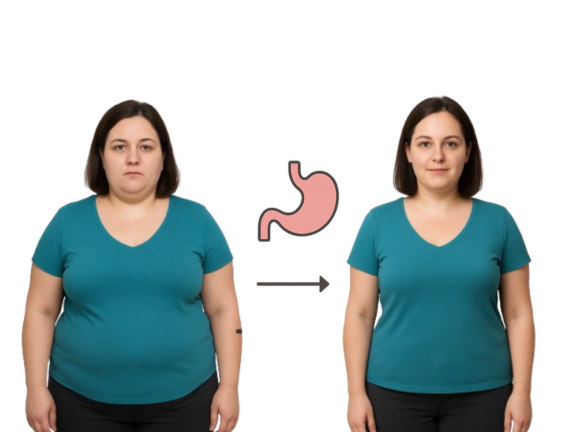

Bariatric or weight-loss surgery can be life-changing, helping patients achieve significant weight loss and improve obesity-related health conditions. However, surgery is just the first step—maintaining results and improving overall health requires safe, structured physical activity during recovery.
Exercise after weight-loss surgery supports healing, preserves muscle mass, boosts metabolism, and reduces the risk of complications. Understanding when and how to start exercising safely is essential for long-term success.
Why Exercise Is Important After Surgery
Exercise provides numerous benefits during recovery and beyond:
-
Improves circulation and speeds up healing
-
Reduces risk of blood clots and other post-surgical complications
-
Maintains muscle mass, which is crucial during rapid weight loss
-
Supports metabolism and long-term weight maintenance
-
Boosts mood and energy levels
-
Improves overall quality of life
Even gentle activity immediately after surgery can have a positive impact on your recovery.
When to Start Exercising
Early Movement (Day 1–7)
-
Begin with short walks around your room or hallway.
-
Focus on gentle standing, light stretching, and deep breathing exercises.
-
Avoid lifting heavy objects, high-impact activities, and abdominal strain.
Weeks 2–4: Light Activity Phase
-
Increase walking time to 10–20 minutes, 2–3 times daily.
-
Incorporate daily activities like light chores or slow stair climbing.
-
Continue avoiding strenuous exercises and heavy lifting.
Weeks 4–6: Low-Impact Cardio
-
Start brisk walking, stationary cycling, or elliptical training with your surgeon’s approval.
-
Focus on consistency rather than intensity or duration.
Weeks 6–8: Introduce Strength Training
-
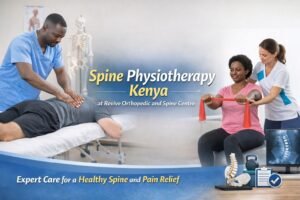
Use light weights or resistance bands for 2–3 sessions per week.
-
Target major muscle groups but avoid abdominal strain.
-
Strength training helps maintain muscle mass and improves body composition.
After 8–12 Weeks: Full Activity
-
Resume regular workouts, including running, swimming, and core exercises.
-
Gradually increase intensity and duration while listening to your body.
Safety Guidelines for Exercise After Surgery
-
Warm up and cool down before and after workouts.
-
Stay hydrated throughout exercise sessions.
-
Avoid exercising on an empty stomach.
-
Wear supportive shoes and comfortable clothing.
-
Stop immediately if you experience pain, dizziness, nausea, or incision discomfort.
-
Follow your surgeon or physiotherapist’s instructions carefully.
Common Mistakes to Avoid
-
Starting high-intensity workouts too early
-
Ignoring signs of pain or fatigue
-
Skipping rest days
-
Comparing progress with others
-
Neglecting hydration or nutrition
Each patient’s recovery timeline is unique, so it’s important to progress gradually.
Long-Term Exercise Recommendations
To maintain weight loss and overall health after surgery:
-
Aim for 150–300 minutes of moderate-intensity activity per week.
-
Include 2–3 strength-training sessions weekly.
-
Incorporate daily movement (walking, stairs, light chores) to keep metabolism active.
-
Monitor your progress and adjust activities according to your energy levels and recovery.
Mental and Emotional Benefits
Exercise also improves mental health, which is especially important after weight-loss surgery:
-
Reduces stress and anxiety
-
Improves mood and motivation
-
Enhances sleep quality
-
Boosts self-confidence and self-esteem
Staying active supports both physical and emotional well-being during your recovery journey.
Conclusion
Safe exercise after weight-loss surgery is essential for healing, long-term weight maintenance, and overall health. Starting with gentle movement, gradually progressing to structured workouts, and following medical guidance ensures a smooth recovery and reduces the risk of complications.
Consistency, patience, and proper supervision are key to achieving lasting results and a healthier, more active life. By integrating exercise safely into your recovery plan, you can maximize the benefits of surgery and enjoy improved strength, energy, and quality of life.