Shopping online has made it easier to explore natural food products from different regions, compare ingredients, and discover speciality items that may not be available in local stores. From raw honey and organic grains to dried fruits and natural oils, consumers now have more choices than ever. However, having more options also makes it important to understand how to identify quality products before placing an order.
Product photographs and attractive descriptions can make almost anything look appealing. The real value lies in the information behind the packaging, including ingredients, country of origin, processing methods, storage requirements, and seller transparency. By checking a few essential details, shoppers can make better decisions and avoid products that do not meet their expectations.
Start by Reading the Product Label Carefully
A product label provides some of the most useful information about the food you are considering. Even when shopping through an online store, the product page should explain what the item contains and how it is presented to consumers.
Check the Ingredients List
The ingredients list helps you understand whether a product matches your preferences. If you are looking for pure honey, for example, check whether honey is the only listed ingredient. Products containing added sweeteners, flavourings, or other ingredients should identify those additions.
The same principle applies to other natural foods. Nut butters may contain added sugar or oils, dried fruit may have added sweeteners, and packaged snacks marketed as natural can include several processed ingredients.
A short ingredients list can be useful, but length alone does not determine quality. Some products require several ingredients to achieve their intended taste, texture, or shelf life. The important point is to understand what you are buying rather than relying entirely on claims such as natural or wholesome.
Look for Clear Product Information
Reliable online listings should provide essential details, including net weight, ingredients, storage instructions, and relevant allergen information. Depending on the product and local requirements, the listing may also include nutritional information, an expiry date, or a best-before date.
If important information is missing, consider contacting the seller before ordering. A clear response can help you determine whether the product is suitable for your needs.
Understand Where the Food Comes From
The origin of a natural food product can influence its flavour, texture, production methods, and overall characteristics. For example, honey varies according to the plants from which bees collect nectar, while coffee, olive oil, grains, and spices can differ according to their growing regions.
Check the Country of Origin
Look for specific information about where a product was grown, harvested, or produced. A brand may be based in one country while its ingredients come from another, so it is useful to distinguish between the company’s location and the product’s actual origin.
When shopping for Australian food products, check whether the seller clearly states that the item was produced in Australia or simply packaged or distributed there. These descriptions do not necessarily mean the same thing.
Origin details are particularly relevant for speciality products, where regional characteristics may be an important part of the product’s identity.
Learn About the Production Process
Natural food products can be produced and processed in different ways. Some honey is lightly strained, while other varieties undergo finer filtration. Nuts may be sold raw, roasted, salted, or coated with additional ingredients.
Look for descriptions that explain these differences clearly. Avoid assuming that words such as traditional, pure, or farm fresh automatically guarantee a particular production method. Specific details are more helpful than broad promotional language.
Check Quality Claims and Certifications
Online food stores often use terms such as organic, raw, unprocessed, premium, and sustainably produced. These terms can help shoppers understand a product, but their meaning and verification requirements vary.
Verify Organic and Other Certifications
If a product is described as organic, look for information about the certification or standard behind the claim. Certification requirements differ between countries, and a product’s eligibility may depend on how it was grown, handled, and processed.
Other claims may relate to fair trade, animal welfare, or sustainable sourcing. When these factors influence your purchase, look for identifiable certification bodies or clear explanations of the standards being followed.
Do not assume that every product described as natural is certified organic. Natural and organic are not interchangeable terms, and one does not automatically establish the other.
Be Careful With Health-Related Claims
Natural foods can contain useful nutrients, but they should not be treated as guaranteed solutions for health problems. Be cautious when a product description promises to cure a condition, produce dramatic results, or replace professional medical advice.
For example, honey is a food containing sugars and small amounts of other naturally occurring compounds. Australian Manuka honey is known for its distinctive characteristics and the quality measures used for certain products, but claims about its health effects should be assessed carefully.
Trustworthy product information describes what the food is, how it is made, and what evidence supports any specific claims. Exaggerated promises are a reason to investigate further.
Evaluate the Seller Before Placing an Order
A quality product can still lead to a poor shopping experience if the seller provides unclear information, handles orders badly, or fails to respond to customer concerns. Before purchasing, spend a little time evaluating the business.
Read Customer Reviews Thoughtfully
Customer reviews can reveal useful details about flavour, packaging, delivery, and the condition of products when they arrive. Look for repeated patterns across multiple reviews rather than relying on a single highly positive or negative comment.
For example, several customers mentioning damaged packaging may indicate a potential delivery issue. Similarly, consistent feedback about unclear labelling could suggest that the product page needs closer examination.
Reviews should not be treated as proof of a food’s purity or nutritional value. Customers can describe their experiences, but technical quality claims may require independent testing or certification.
Check Contact and Returns Information
A reliable online food retailer should make it reasonably easy to find its contact details, shipping information, and relevant return or refund policies.
Food products may have special return conditions because of hygiene and safety considerations. Read these policies before ordering, particularly when purchasing expensive speciality items or products that require careful handling.
Clear communication about delivery times, packaging, and customer support can also help you decide whether the seller is trustworthy.
Compare Prices Without Compromising Quality
Price is an important consideration, but the cheapest option is not always the best value. Differences in ingredients, production methods, sourcing, packaging, and product size can explain why similar items have different prices.
Compare the Cost Per Unit
When comparing products, check the price per 100 grams, kilogram, or another suitable unit. This makes it easier to compare different package sizes fairly.
For speciality products, consider whether the price reflects a clearly documented feature, such as a specific origin or independently verified quality rating. If a product is significantly more expensive than similar options, look for an explanation rather than assuming the higher price proves better quality.
Shipping charges also affect the final cost. A low product price may become less attractive when delivery fees are added, especially for small orders.
Apply These Checks When Buying Honey Online
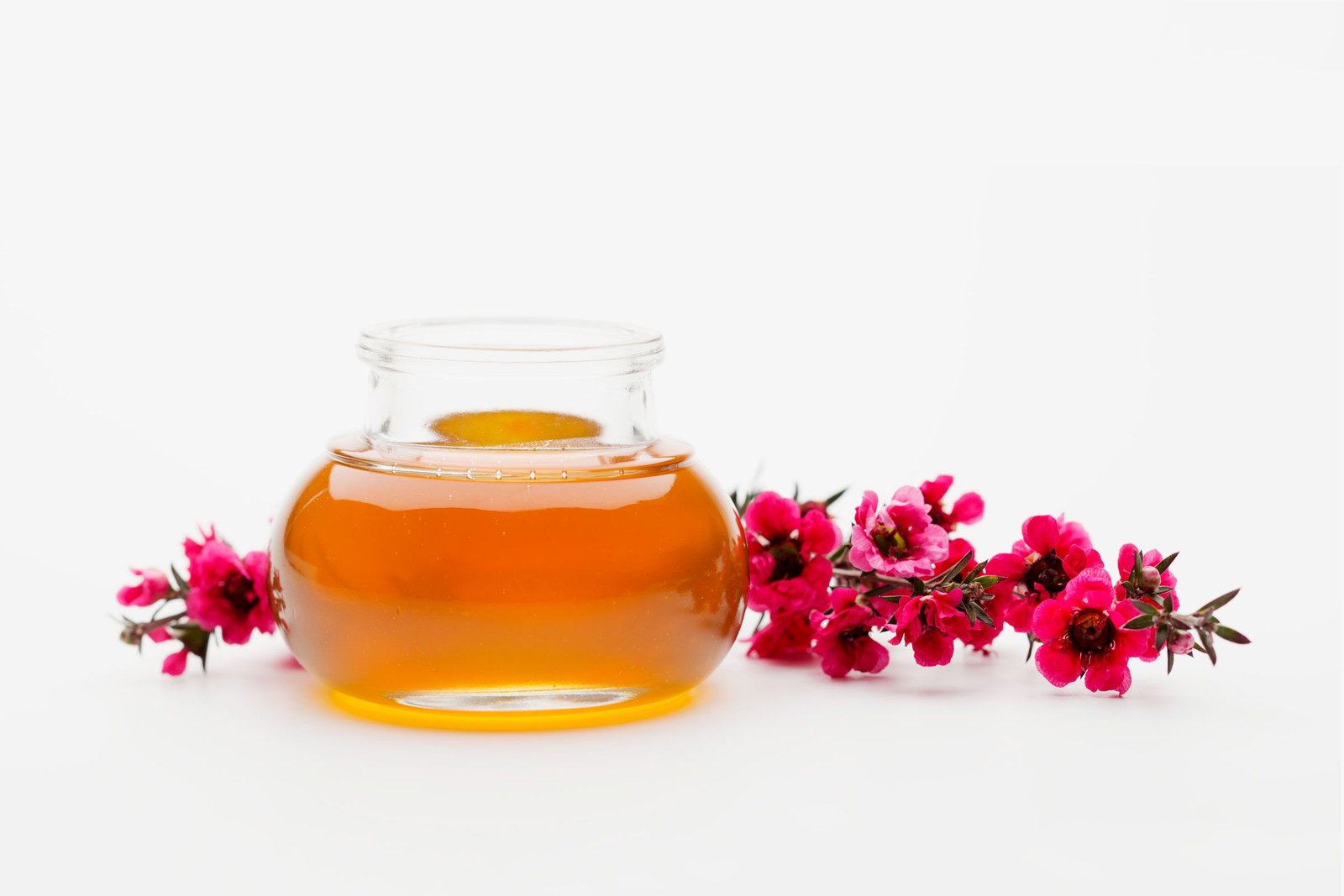
Honey is a useful example of why careful product research matters. Its colour, flavour, texture, and price can vary depending on floral source, processing, and other factors.
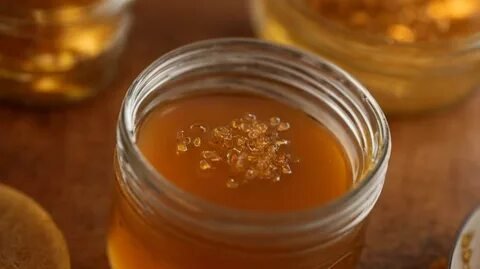
When comparing honey products, check the ingredient list, country of origin, net weight, and storage instructions. Crystallisation is a natural process in many varieties and does not automatically indicate spoilage or adulteration.
For Manuka honey, examine the grading information provided by the producer. MGO stands for methylglyoxal and indicates the concentration of this compound, generally expressed in milligrams per kilogram. UMF, or Unique Manuka Factor, is a separate grading system that evaluates several quality markers. These ratings are related but are not interchangeable.
Consumers looking for manuka honey online should compare the stated rating, origin information, product details, and available verification. A higher MGO number may influence the price, but it does not automatically make a product the best choice for every household.
Choose a retailer that explains its products clearly and provides enough information to support its quality claims. This approach is more dependable than making a decision based only on packaging, discounts, or promotional descriptions.
Check Packaging, Storage, and Delivery Details
Natural food products need appropriate packaging and handling to maintain their quality. Before ordering, check whether the product requires refrigeration, protection from light, or special temperature conditions during transport.
Sealed packaging can help protect food from moisture, contamination, and damage. Items such as oils may benefit from containers that limit exposure to light, while dry foods need packaging that helps keep them dry.
Read the delivery information to understand how the seller handles fragile or temperature-sensitive items. After receiving your order, inspect the packaging and check the product details before use. Follow the storage instructions on the label, and contact the seller if the item arrives damaged or appears inconsistent with its description.
Make Informed Choices for Everyday Shopping
Identifying quality natural food products online does not require expert knowledge. It mainly involves checking information carefully, comparing similar products, and recognising the difference between verifiable details and marketing language.
Start with the ingredients and origin, investigate relevant certifications, review the seller’s reputation, and compare prices based on quantity and quality. For speciality foods, take additional time to understand grading systems and product-specific claims.
By making these checks part of your shopping routine, you can explore a wider range of natural foods with greater confidence. The goal is not simply to find a product labelled natural, but to choose food that meets your preferences, offers transparent information, and provides genuine value for your money.