A patient who understands their health is more likely to take part in it. That’s the idea behind awareness campaigns: put clear information in people’s hands so they can make informed choices. Printed materials remain one of the most reliable ways to do that, especially for audiences who aren’t comfortable with portals or apps, or who simply want something to keep and share with family.
This buyer’s guide covers what to look for when planning healthcare awareness campaign printing, from content to compliance to delivery.
Who uses printed health education?
More organizations than you might think:
- Hospitals and health systems
- Clinics and specialty practices
- Public health departments
- Insurance plans and benefit providers
- Nonprofits focused on specific conditions
- Pharmacies and wellness programs
Each has the same underlying goal: help people understand something important and act on it.
Step 1: Define the audience and the one action
Before you write or design anything, identify who you’re trying to reach and what you want them to do. Schedule a screening? Review vaccination options? Understand a new benefit? A campaign with one clear action is much easier to build and measure than one that tries to cover every topic.
Step 2: Write for real people
Health information is often written at a level that makes sense to professionals but loses everyone else. A few guidelines help:
- Use plain language. Replace jargon with everyday words, and explain unavoidable terms.
- Keep sentences short. One idea at a time.
- Lead with what matters most. Put the key message and next step near the top.
- Use headings and bullets so readers can scan.
- Consider reading levels and languages. If your community includes Spanish speakers or others, provide translated versions that are checked by a qualified reviewer.
Step 3: Choose the right format
The best format depends on how much you need to say and how people will use it.
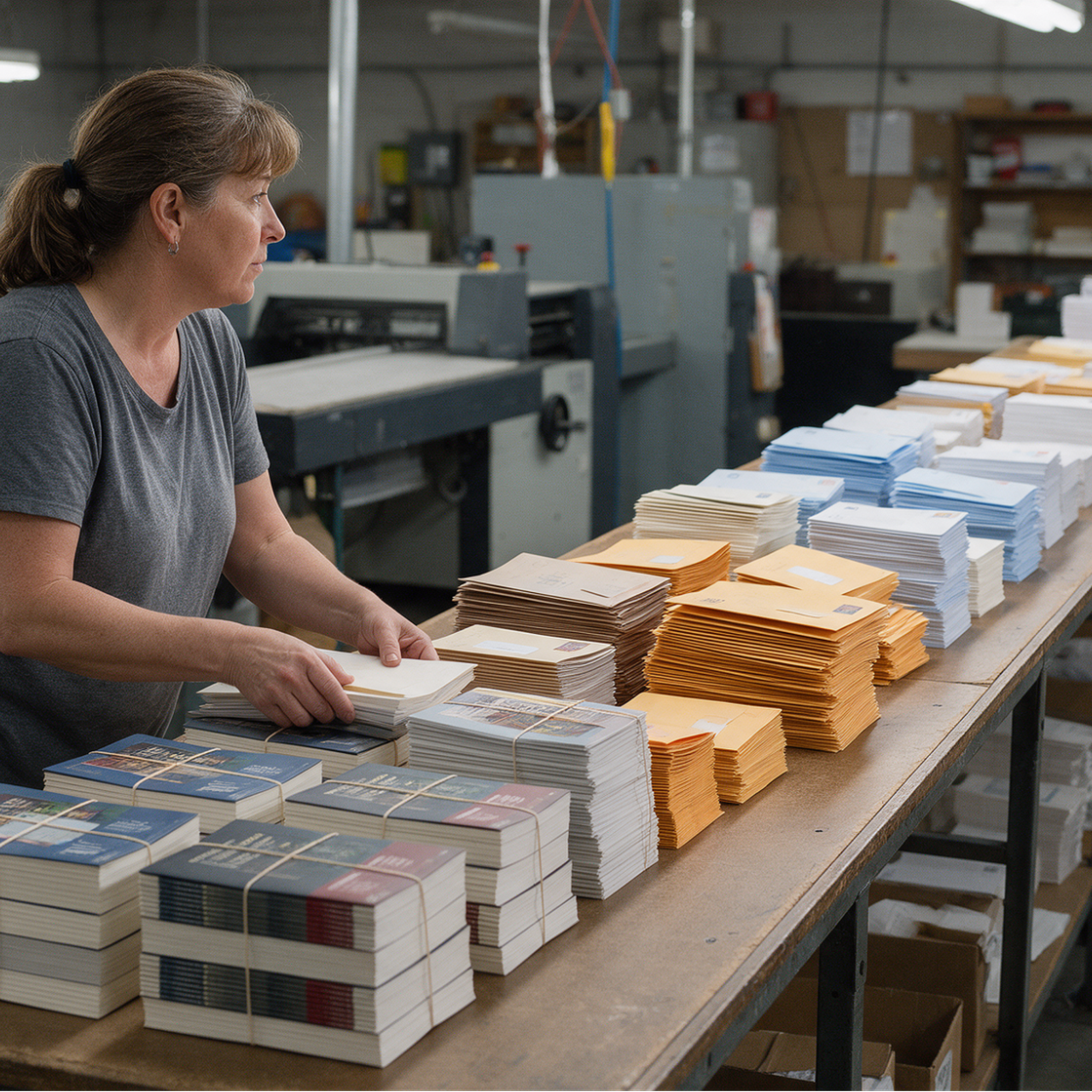
- Brochures and pamphlets: Good for explaining a condition or service
- Postcards: Ideal for reminders, screening invitations, and event notices
- Booklets: Suited to ongoing conditions that need deeper explanation
- Posters and tabletop displays: Work well in waiting rooms and community spaces
- Letters and mailers: Best for personalized outreach
For larger programs, healthcare awareness campaign printing often combines several of these formats so the same message appears in more than one place.
Step 4: Think about accessibility
Patients may have limited vision, low literacy, or other challenges. Use readable type sizes, strong contrast, and uncluttered layouts. Avoid placing important information over busy images. If you’re unsure, test a draft with a few people from your target audience and notice where they get confused.
Step 5: Take privacy seriously
This is where healthcare printing differs from most other categories. If your campaign uses patient lists, appointment data, or any information tied to someone’s health, privacy rules may apply. Ask your print partner:
- Are they HIPAA compliant, and can they explain how?
- How is data encrypted and who can access it?
- How are unused or misprinted pieces destroyed?
- Do they have independent security certifications such as SOC 2 Type II?
Even mailings that don’t contain personal data benefit from a provider that treats security as routine.
Step 6: Plan the timeline backward
Awareness campaigns often tie to dates, such as flu season, a health observance month, or a community event. Work backward from the date you want people to see the piece:
- Final approvals and proofs
- Printing and finishing
- Mailing preparation and postal delivery
- Buffer for corrections or delays
Give yourself more time than you think you’ll need. Clinical review and legal approval often take longer than planned.
Step 7: Measure what happens
Decide how you’ll know the campaign worked. Possible indicators include screening appointments booked, calls received, web visits to a dedicated page, or attendance at an event. A unique phone number or QR code on each version makes tracking simple.
A short example
Imagine a community health center wanting more adults to schedule preventive screenings. It mails a postcard to households in its service area with a short message in plain language, a clear appointment number, and a QR code to online scheduling. A follow-up brochure goes to people who respond, explaining what to expect. The center tracks calls and bookings from each piece and adjusts the next round of mailings accordingly.
Buyer’s quick checklist
- Clear audience and single goal
- Plain-language, reviewed content
- Format that fits the message
- Accessible design
- Documented privacy and security practices
- Realistic timeline with review time built in
- Method for measuring response
Final word
Good patient education isn’t about producing the most material. It’s about producing the right material and making sure it reaches the right people safely. Take your time with planning, and choose a partner who understands both print and the sensitivity of health information.
If you’re planning your next outreach effort, Spectra offers secure printing and mailing support for healthcare organizations. Explore our patient education printing services to learn more.