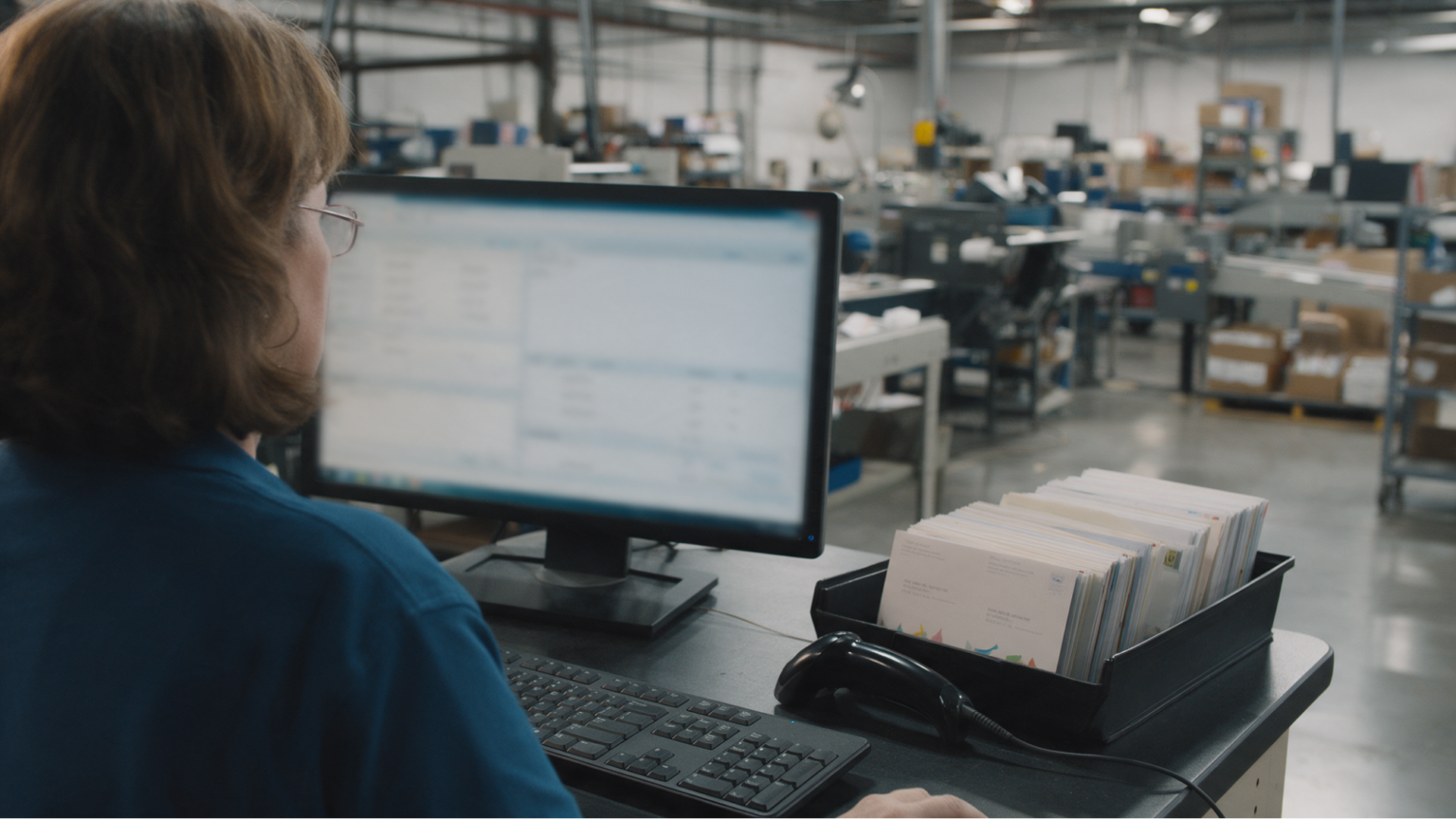
Direct mail campaigns involve more moving parts than most marketers expect: mailing lists, design files, paper stocks, print production, postal rules, and delivery timing. Working with a provider of direct mail printing and mailing services lets you hand those pieces to one team instead of coordinating several vendors. Knowing what a full-service partner actually does helps you set expectations, compare providers fairly, and avoid costly surprises.
What “Full-Service” Really Means
A full-service partner handles the entire path from finished idea to mailbox. Instead of printing in one place, preparing data in another, and delivering to the post office yourself, a single team manages each handoff. That usually means fewer delays, clearer accountability, and a more consistent result.
The exact scope varies by provider, so ask for a written list of what is included. In general, the process covers the stages below.
Data Preparation and List Management
Every campaign starts with a mailing list. A good partner will review your list for formatting problems, duplicates, and incomplete addresses before anything is printed. Many providers also standardize addresses against USPS requirements, which helps mail qualify for postal discounts and reach the right household.
If you are working with customer data, ask how the provider stores and transfers files. Secure handling matters, especially for industries like healthcare and financial services.
Print Production
Print production covers file review, proofing, printing, cutting, folding, and finishing. Most providers can print postcards, letters, self-mailers, catalogs, and envelope packages, and many use digital presses for variable data printing. That technology lets each piece carry a different name, offer, or image without slowing production.
Before a large run, ask for a physical or digital proof. Catching a typo or a misaligned address block at this stage costs far less than catching it after thousands of pieces are printed.
Mailing and Postal Compliance
Once pieces are printed, they must be assembled, addressed, sorted, and delivered to the USPS in the right format. Postal regulations govern size, weight, barcodes, and layout, and small errors can raise postage costs or cause delays. An experienced partner designs the piece with these rules in mind and helps you choose between options such as First-Class Mail and Marketing Mail based on your goals and budget.
Questions to Ask Before You Choose a Provider
Not every vendor offers the same capabilities. These questions will help you separate a true partner from a basic print shop.
What Is Handled In-House?
Providers that print, finish, and mail from their own facilities generally have more control over quality and timelines. Those that outsource steps may add handoffs and delays. Ask which services are performed on-site.
How Do They Approach Quality Control?
Look for specifics: proof approvals, address verification, spot checks during production, and a process for confirming that the right piece goes to the right recipient. Vague promises are a red flag.
Can They Support Personalization and Integration?
If you plan to personalize mail or connect it with email and digital campaigns, confirm the provider can handle variable data and coordinate timing across channels. Comparing digital printing companies on these capabilities, not just price, will tell you which ones can support a campaign as it grows.
What Reporting Will You Receive?
Many providers offer mail tracking or delivery visibility, but the level of detail differs. Ask what you will see after the mail drops and how you can tie results back to your campaign goals.
How the Process Typically Works
While every provider has its own workflow, most projects follow a similar sequence:
- Discovery: You share goals, audience, budget, and timeline.
- Planning: The team recommends formats, materials, and postage options.
- Data and design: Lists are cleaned and artwork is checked for print and postal readiness.
- Proofing: You review and approve samples.
- Production and mailing: Pieces are printed, assembled, and delivered to the USPS.
- Follow-up: You receive confirmation of mailing and any available tracking or reporting.
Building in extra time for proofing and postal delivery is wise. Rushing the early steps is the most common source of errors.
Tips for a Smoother Campaign
- Start with a clear goal. Know what action you want the recipient to take, whether that is visiting a website, calling, or redeeming an offer.
- Keep the call to action simple. One clear next step usually works better than several competing ones.
- Test before scaling. A small initial mailing can reveal problems with the list, offer, or design before you commit to a larger run.
- Share files early. Delays in data and artwork are a leading cause of missed mail dates.
Frequently Asked Questions
How long does a direct mail project take?
Timelines depend on project size, complexity, and approvals. A simple postcard mailing moves faster than a personalized, multi-piece package. Ask your provider for a schedule that covers proofing, production, and USPS delivery.
Can I use my own mailing list?
Yes, most providers accept customer-supplied lists. Many also help you source or refine lists. In either case, the provider should review your data for accuracy before printing.
Is direct mail suitable for small businesses?
It can be. Many providers support a range of quantities, and digital printing makes shorter runs practical. Your audience, offer, and budget will determine whether it fits.
Conclusion
A strong full-service partner makes direct mail simpler by managing data, printing, postal compliance, and delivery under one roof. Before you commit, ask what is included, how quality is verified, and what reporting you will receive. If you want to see what an integrated approach looks like, you can explore direct mail printing and mailing services from Spectra. Whichever provider you choose, take the time to compare digital printing companies on capabilities and communication, not only on price.