Edmonton Kitchen Plumbing: What Every Homeowner Should Know
Your kitchen is the busiest plumbing room in the house. Every day, water runs through your faucet, your dishwasher, your garbage disposal and your drain lines, often all within the same hour. When something goes wrong, it rarely waits for a convenient time. A slow drain at dinner or a drip under the sink on a Sunday night can turn a normal evening into a stressful one.
In Edmonton kitchen plumbing comes with extra challenges. Our long, hard winters, hard municipal water and older housing stock in neighbourhoods like Highlands, Strathcona and Garneau all put added strain on pipes and fixtures. Understanding how your system works, and when to call a professional, can save you thousands of dollars in water damage.
In this guide you will learn:
- The most common kitchen plumbing problems in Edmonton homes
- How to spot an early pipe leak and what to do about it
- When a DIY fix is fine and when you need a licensed plumber
- How kitchen plumbing connects to the rest of your home, from water heaters to sump pumps
- How to choose a trustworthy plumber in Edmonton
Why Kitchen Plumbing in Edmonton Is Different
Plumbing is not the same everywhere. Local climate, water quality and building practices all affect how your kitchen performs.
Cold Winters Stress Your Pipes
Edmonton winters regularly drop well below freezing. Pipes running along exterior walls, in unheated crawl spaces or under sinks against outside walls are the most exposed. When water freezes inside a pipe it expands, and the pressure can crack the pipe or split a joint. The damage often goes unnoticed until the pipe thaws, and then the leak begins.
Hard Water Leaves Its Mark
Water in the Edmonton region is generally considered hard, meaning it carries dissolved minerals such as calcium and magnesium. Over time these minerals build up as scale inside faucet aerators, dishwasher inlets and water heater tanks. The result is lower water pressure, clogged fixtures and shorter appliance life. Checking your water utility’s published water quality information will tell you more about what is coming out of your tap.
Older Homes, Mixed Materials
Homes built across different decades use different pipe materials, including galvanized steel, copper, and newer PEX or plastic drain lines. When these are mixed, joints and transitions are common weak points. A plumber who knows Edmonton housing can often tell the age of a system at a glance and predict where problems are likely to appear.
The Most Common Kitchen Plumbing Problems
1. Clogged Kitchen Drains
Grease, coffee grounds, food scraps and starchy foods like rice and pasta are the usual suspects. Fat cools inside the pipe and coats the walls, trapping everything else that follows.
What you can try: Flush the drain with very hot water, then use a plunger or a hand drain snake. Avoid chemical drain cleaners. They can damage older pipes and are hazardous to handle.
When to call a pro: If the clog returns within days, or if water backs up in more than one fixture, the blockage is likely deeper in the main line.
2. Dripping or Leaking Faucets
A steady drip wastes more water than most people expect, and it can point to worn washers, O-rings or cartridges. If you want ongoing care, a trusted provider of faucet repair service and maintenance in Edmonton can replace worn parts before they cause bigger problems or damage your countertop and cabinet.
3. Low Water Pressure
If only the kitchen tap is weak, a clogged aerator is the likeliest cause. Unscrew it, soak it in vinegar and rinse. If pressure is low throughout the house, you may have a failing shut-off valve, corroded pipes or a pressure regulator issue.
4. Garbage Disposal Trouble
Jams, humming sounds and leaks at the disposal flange are common. Never put your hand into the unit. Turn off the power first and use the manufacturer’s reset or hex-key method. Persistent leaks usually mean a worn seal or a cracked housing, which requires replacement.
5. Dishwasher Drainage Issues
Standing water after a cycle often comes from a clogged drain hose, a blocked air gap or a backed-up sink drain. Checking the sink drain first can save you an unnecessary service call.
6. Hidden Pipe Leaks
This is the most expensive problem because it is the one you do not see. Which brings us to the next section.
Edmonton Pipe Leak Repair: Spotting the Signs Early
A small leak can quietly run for weeks. Water damages cabinets, subfloors and drywall, and it creates the damp conditions where mould grows. Catching it early is the difference between a minor repair and a major renovation.
Warning Signs of a Pipe Leak
- A water bill that rises without any change in your habits
- Warped, swollen or discoloured cabinet bases under the sink
- A musty smell that does not go away
- Water stains on ceilings below the kitchen
- The sound of running water when everything is turned off
- Visible corrosion, green or white crust on pipe joints
A Simple Water Meter Test
Turn off every tap and appliance in the house. Look at your water meter and note the reading. Wait 30 to 60 minutes without using any water, then check again. If the number has moved, water is escaping somewhere in your system.
What to Do Right Away
- Shut off the water. Close the valve under the sink for a local leak, or the main shut-off for anything larger.
- Contain the water. Use towels and a bucket, and move items out of the cabinet.
- Take photos. These help if you need to make a home insurance claim.
- Call a licensed plumber. Professional Edmonton pipe leak repair uses the right tools to locate the source, whether it is a failed joint, a pinhole in copper or a cracked drain.
If the leak is serious, or it happens at night or on a holiday, contact an Edmonton emergency plumber or a 24-hour plumber in Edmonton. Waiting until morning can multiply the damage.
Kitchen Plumbing Does Not Work Alone
Your kitchen is connected to every other part of your home’s plumbing and heating systems. A problem elsewhere can show up at your kitchen sink.
Water Heater Performance
If your kitchen tap takes forever to get hot, or the water runs lukewarm, the water heater may be to blame. Most tank water heaters last roughly 8 to 12 years, and sediment buildup from hard water shortens that. Strange popping noises, rusty water or pooling at the base of the tank are signs to act. Choosing a company known for water heater repair in Edmonton means you get a proper diagnosis, repair or replacement before the tank fails completely.
Sump Pumps and Basement Drainage
If your kitchen is above a finished basement, a failing sump pump can create moisture issues that look like plumbing leaks. During spring melt and heavy summer storms, a working pump is your home’s first defence. If yours is noisy, cycles constantly or is more than ten years old, consider sump pump replacement in Edmonton before the next thaw.
Furnace and Heating Maintenance
Plumbing and heating often go hand in hand. Many Edmonton companies handle furnace repair and maintenance along with plumbing, which is useful because a properly heated home keeps pipes from freezing. An annual furnace tune-up in early fall is a smart habit in our climate.
Toilets and Bathrooms
A running toilet or a weak flush may seem unrelated, but shared drain lines mean a clog downstream can affect both kitchen and bathroom. For persistent issues, professional toilet repair in Edmonton is quick, affordable and prevents wasted water.
DIY vs. Hiring a Professional
Some tasks are perfectly safe for confident homeowners. Others carry real risk.
Safe DIY Jobs
- Cleaning a faucet aerator
- Using a plunger or hand snake on a minor clog
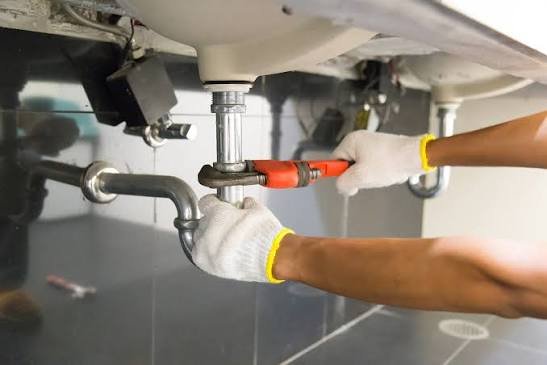
- Replacing a P-trap under the sink
- Tightening slip nuts on drain connections
Leave These to a Licensed Plumber
- Anything involving gas lines or gas appliances
- Repairing or replacing supply pipes inside walls
- Persistent or repeated drain backups
- Water heater installation or repair
- Any job that needs a permit
In Alberta, certain plumbing and gas work must be completed by certified tradespeople and may require permits under the provincial Safety Codes system. Hiring a qualified professional protects your home, your insurance coverage and your family’s safety.
A Real-Life Style Example
The following is an illustrative scenario based on situations plumbers commonly report, not a specific customer testimonial.
A homeowner in southwest Edmonton noticed that her kitchen cabinet floor felt slightly soft and her water bill had crept up for two months. She assumed the dishwasher was at fault. A plumber performed a pressure test and found a pinhole leak in a copper supply line behind the sink, caused by years of corrosion. Because it was found before the subfloor was saturated, the repair took a couple of hours and involved replacing a short section of pipe and new shut-off valves.
Had the leak continued through winter, the damage could have spread under the flooring, and the repair might have involved replacing cabinets and flooring. The lesson: small signs deserve quick attention.
How to Choose a Trustworthy Plumber in Edmonton
Not every plumber is the same. Use this checklist when you compare options:
- Credentials: Ask whether the plumber is certified (journeyperson) and the company is properly licensed and insured.
- Local experience: Someone familiar with Edmonton’s climate and housing will anticipate problems faster.
- Transparent pricing: Look for clear estimates before work begins, with no surprise fees.
- Availability: A company offering expert plumbing services in Edmonton with emergency and after-hours support gives you peace of mind.
- Reviews and references: Read recent, detailed reviews, and look for patterns rather than a single glowing comment.
- Warranty: Reputable plumbers stand behind both parts and labour.
Preventive Maintenance Tips for Your Kitchen Plumbing
- Never pour grease down the drain. Let it solidify and throw it in the trash.
- Use sink strainers to catch food scraps.
- Insulate pipes on exterior walls and open the cabinet doors on extremely cold nights.
- Check under the sink monthly for moisture, corrosion or odours.
- Flush your water heater annually to reduce sediment, or have it done during a service visit.
- Know where your main shut-off valve is, and make sure every adult in the home does too.
- Schedule a yearly plumbing inspection, especially in homes older than 30 years.
Pros and Cons of Professional Kitchen Plumbing Service
Pros
- Accurate diagnosis and long-lasting repairs
- Code-compliant work that protects your insurance and resale value
- Access to professional tools like leak detection equipment and drain cameras
- Faster resolution with fewer repeat problems
- Warranties on parts and labour
Cons
- Higher upfront cost than a quick DIY fix
- Scheduling may be needed for non-emergency jobs
- Quality varies, so research is important
For most major issues, the cost of prevention is far lower than the cost of water damage restoration.
Frequently Asked Questions
How much does kitchen plumbing repair cost in Edmonton?
Costs depend on the job. A faucet cartridge replacement is usually much cheaper than a hidden leak repair involving wall or floor access. Always request a written estimate before work begins.
Is a dripping faucet an emergency?
Usually not, but it should be repaired soon. A steady drip wastes water and can signal a worn part that will fail completely.
How do I know if I need an emergency plumber?
Call right away for burst pipes, sewage backups, no water at all, a leaking water heater or any flooding. For gas smells, leave the home and call your gas utility or emergency services first.
Can frozen pipes be fixed without replacing them?
Sometimes. If the pipe has only frozen and has not cracked, careful thawing may be enough. But if the pipe has split, it must be repaired or replaced. Do not use an open flame to thaw pipes.
How often should I have my plumbing inspected?
Once a year is a good rule, and more often for older homes or if you have had previous leaks.
Do I need a permit for kitchen plumbing work?
Simple repairs often do not, but renovations, new fixtures that change the layout and gas work generally do. A licensed plumber will know what applies to your project.
Conclusion: Protect Your Home with Smart Kitchen Plumbing Care
Kitchen plumbing is one of those things you never think about until it fails. In Edmonton, where cold winters, hard water and ageing pipes are part of daily life, a little knowledge and regular care go a long way. Watch for the early signs of trouble, act quickly on leaks, and keep your connected systems, from the water heater to the sump pump and furnace, in good shape.
When a problem is beyond a quick fix, choose a certified local professional who offers honest pricing and reliable emergency support.
Ready to Fix or Upgrade Your Kitchen Plumbing?
Contact a trusted Edmonton plumber today to book an inspection or request a free estimate. Dealing with a leak right now? Call a 24-hour emergency plumber without delay.
Have a question or a plumbing story of your own? Leave a comment below, and share this guide with a friend or neighbour who might need it before the next cold snap.