Introduction
Industrial facilities regularly handle heavy machinery, equipment, and materials that require safe and efficient lifting solutions. Floor cranes are valuable material handling equipment designed to lift, position, and move heavy loads across workshops, manufacturing units, warehouses, and maintenance departments.
These cranes help reduce manual handling, improve workplace productivity, and simplify lifting tasks in areas where permanent overhead lifting systems may not be practical. Depending on the application, businesses can choose equipment with different lifting capacities, boom configurations, and mobility features.
Understanding the features, applications, and selection criteria of industrial lifting equipment helps businesses choose the right solution for their operational requirements.
What Are Floor Cranes?
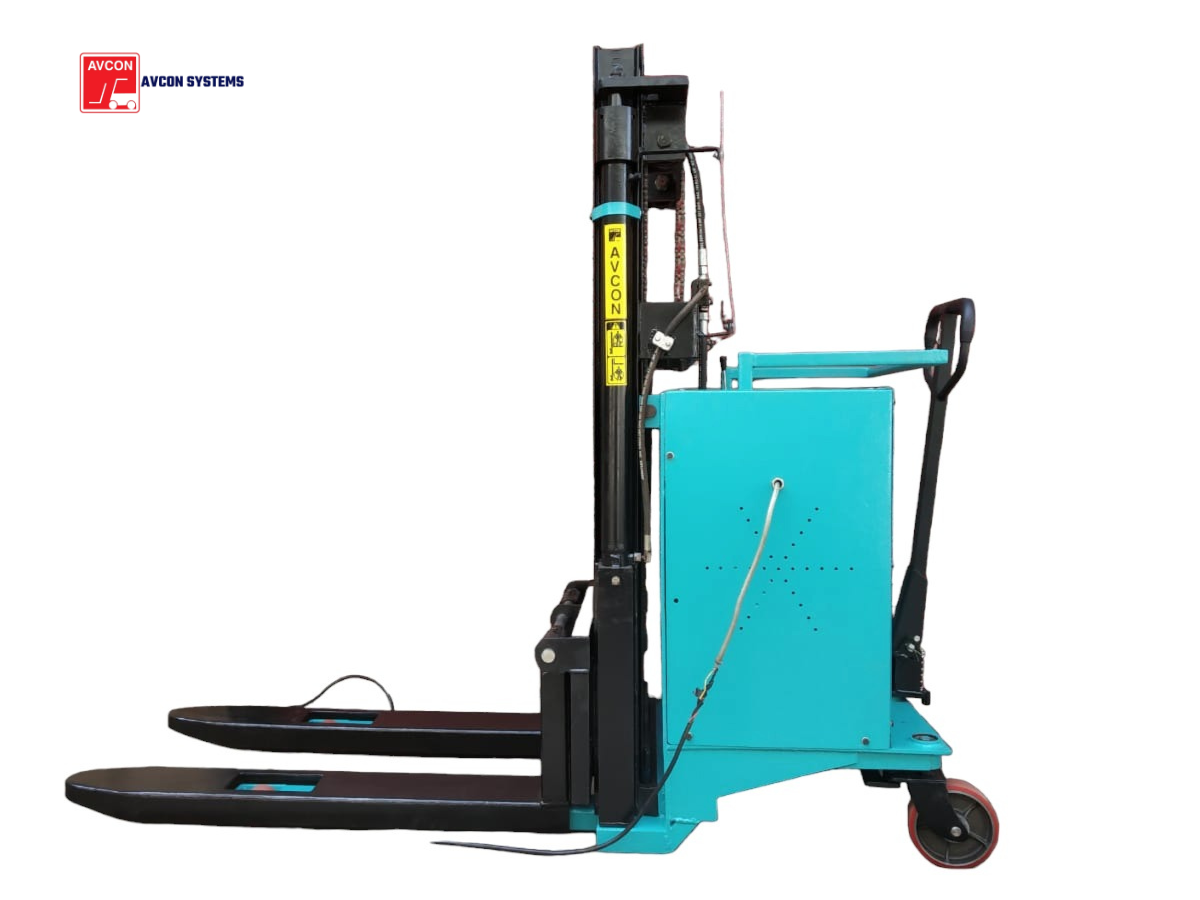
Floor cranes are lifting machines designed to handle heavy loads at floor level. Many models feature a supporting frame, lifting boom, hook, wheels, and a hydraulic or powered lifting mechanism.
Depending on their design, these cranes can be moved between workstations and positioned near machinery or components that require lifting. They are particularly useful in industrial environments where equipment must be installed, repaired, replaced, or repositioned.
Some models are manually operated, while others use hydraulic or powered systems to assist lifting operations. The appropriate design depends on the weight of the load, required lifting height, available working space, and frequency of use.
Types of Floor Cranes
Different industrial applications require different lifting configurations. The following are common types of floor cranes used for material handling.
1. Hydraulic Floor Cranes
Hydraulic floor cranes use hydraulic pressure to raise and lower heavy components. They are commonly used in engineering workshops, automobile service centres, maintenance facilities, and manufacturing units.
Their hydraulic lifting mechanism reduces the physical effort required from operators and allows loads to be positioned with greater control. These cranes are useful for handling motors, pumps, machinery components, and other heavy items.
2. Manual Floor Cranes
Manual floor cranes are designed for lifting applications where straightforward operation and mobility are important. Depending on the model, the lifting mechanism may be operated manually or through a hydraulic pump.
They can be suitable for smaller workshops, maintenance departments, and facilities with occasional lifting requirements.
3. Electric Floor Cranes
Electric floor cranes use powered mechanisms to assist lifting operations. Depending on their configuration, they can reduce manual effort and support repetitive material handling tasks.
These solutions may be appropriate for facilities where lifting operations occur frequently and improved operational efficiency is a priority.
4. Counterbalanced Floor Cranes
Counterbalanced designs use an engineered arrangement to maintain stability during lifting. They can be useful in applications where access around machinery or workstations is limited.
The load capacity, stability requirements, and permitted operating configuration should always be confirmed from the manufacturer’s specifications.
Key Applications of Floor Cranes
Industrial lifting equipment supports a wide range of activities across different sectors.
Manufacturing industries: Floor cranes assist with positioning machine parts, motors, production components, and heavy assemblies during manufacturing and maintenance.
Automobile workshops: Suitable crane models can help lift engines, transmissions, and other heavy automotive components during repair work.
Warehouses: Floor cranes can support specific lifting and positioning tasks involving heavy equipment and materials, depending on the facility layout.
Engineering workshops: These cranes are useful for handling pumps, tools, fabricated components, and machinery parts during assembly and repair.
Machine installation: During equipment installation, a suitable crane can help position heavy components accurately.
Maintenance departments: Floor cranes provide lifting assistance when machinery parts must be removed, inspected, repaired, or replaced.
The equipment must always be matched to the intended application and operated according to its rated capacity and safety instructions.
Benefits of Using Floor Cranes
Improved Workplace Safety
Lifting heavy components manually can expose workers to physical strain and other workplace hazards. Appropriate lifting equipment reduces reliance on manual handling and supports safer working practices.
Reduced Manual Effort
Mechanical or hydraulic lifting mechanisms make it easier to raise heavy materials. This can reduce the physical effort required from workers during maintenance and production activities.
Better Productivity
Efficient lifting and positioning can help maintenance teams complete jobs more smoothly. Reducing unnecessary manual handling may also improve workflow between workstations.
Flexible Operation
Mobile crane designs can be moved between suitable working locations, allowing businesses to use lifting equipment for different tasks without installing a permanent lifting structure.
Efficient Space Utilisation
Compact floor crane designs can be useful in workshops and manufacturing facilities with limited space. However, sufficient clearance must be available for safe movement and operation.
Versatile Applications
Depending on their capacity and configuration, floor cranes can support maintenance, equipment installation, component replacement, assembly, and other industrial lifting activities.
How to Choose the Right Floor Crane
Selecting suitable equipment requires an assessment of the load, workplace conditions, and lifting requirements.
1. Determine the Required Load Capacity
Identify the maximum weight that needs to be lifted. Select a crane with an appropriate rated capacity and verify its capacity at the required boom extension, as permissible capacity can vary with configuration.
2. Check the Lifting Height
Determine how high the load must be raised to complete the task. The crane should provide adequate lifting height without exceeding its operating limits.
3. Evaluate Boom Reach
Boom reach affects how close the crane can be positioned to the load. Consider the distance between the crane and the component that needs to be lifted.
4. Consider Working Space
Measure the available floor area, aisle width, and clearance around machinery. The crane should be able to access the working area and manoeuvre safely.
5. Review Mobility Requirements
Consider whether the equipment needs to move between workstations. Check the wheel arrangement, overall dimensions, turning space, and suitability of the floor surface.
6. Evaluate the Lifting Mechanism
Choose between manual, hydraulic, and powered options based on lifting frequency, load requirements, available power, and operator needs.
7. Check Safety Features
Review the manufacturer’s documentation for load-control mechanisms, structural design, stability requirements, and applicable safety provisions. Confirm that the equipment is suitable for the intended environment.
Safety and Maintenance Guidelines
Correct operation and routine maintenance are essential for reliable crane performance.
- Inspect the frame, boom, hook, wheels, and lifting components before use.
- Check hydraulic hoses and connections for leaks or damage where applicable.
- Never exceed the rated load capacity or permitted boom configuration.
- Operate the crane on a suitable, stable floor as specified by the manufacturer.
- Keep people clear of suspended loads and never allow anyone to stand beneath them.
- Secure the load properly and maintain control throughout the lifting operation.
- Move loads only as permitted by the crane’s operating instructions.
- Follow the manufacturer’s inspection, servicing, and maintenance schedule.
- Remove damaged or malfunctioning equipment from service until it has been inspected and repaired.
Operators should receive appropriate training and follow applicable workplace safety requirements.
Why Choose a Reliable Material Handling Equipment Manufacturer?
Choosing an experienced manufacturer or supplier helps businesses identify lifting equipment that matches their operational requirements. Product quality, structural design, suitable components, technical guidance, and after-sales support are important considerations.
Before making a purchase, businesses should discuss the required capacity, lifting height, boom reach, working environment, and frequency of use. They should also request technical specifications and operating instructions.
For facilities with specialised lifting needs, a customised configuration may be worth considering. However, any customised solution should be properly engineered and verified for the intended application.
Conclusion
Floor cranes are practical lifting solutions for manufacturing facilities, engineering workshops, automobile service centres, warehouses, and industrial maintenance departments. Depending on their design, they can help businesses lift and position heavy components while reducing manual effort and supporting more efficient workflows.
Selecting the right equipment requires careful attention to load capacity, lifting height, boom reach, mobility, available space, and safety requirements. Regular inspections, proper operator training, and preventive maintenance also contribute to reliable operation.
By evaluating their material handling needs and choosing suitable equipment from a dependable manufacturer, businesses can improve lifting efficiency and support safer industrial operations.