Early childhood is an important period of learning and discovery. Children begin to understand the world by observing things, touching objects, listening to sounds and exploring their surroundings. Many of these experiences happen naturally during everyday play. A child may enjoy squeezing a soft toy, playing with water, listening to music or feeling different materials with their hands. Although these activities may seem simple, they can support several areas of development.
Sensory activities give children opportunities to explore information through their senses. They encourage curiosity and allow children to discover how different objects and materials feel, look and behave. These experiences do not always require expensive toys or carefully planned activities. Everyday household items and simple play materials can provide useful learning opportunities.
Parents often focus on structured educational activities when thinking about early learning. However, simple sensory experiences can also make a valuable contribution. Understanding their benefits can help parents create more engaging play opportunities at home.
What Are Sensory Activities?
Sensory activities are experiences that encourage children to use their senses while exploring their environment. These activities may involve touching different textures, listening to sounds, looking at colours, smelling familiar objects or noticing movement.
Children use several sensory systems to understand the world. These include sight, hearing, taste, smell and touch. They also rely on their sense of balance and body awareness to understand movement and physical position.
For example, when a child plays with a soft toy, they can feel its surface, notice its shape and explore how it changes when squeezed. When they play with water, they may discover how it flows between containers or feels against their hands.
These experiences introduce children to new information in a natural way. They can explore at their own pace without needing to follow complicated instructions.
Sensory activities can be included in everyday routines. Playing with safe household materials, exploring outdoor surroundings and listening to different sounds are all simple ways to introduce sensory experiences.
How Sensory Activities Encourage Curiosity
Young children naturally want to understand the things around them. They often investigate objects by touching, holding, moving and examining them. Sensory activities provide opportunities to satisfy this curiosity.
When children come across something unfamiliar, they may try different ways of exploring it. A child might press a soft sponge, drop a suitable object into water or compare two materials with different textures.
These actions encourage observation and experimentation. Children begin to notice what happens when they change the way they interact with an object.
For example, squeezing a sponge and watching it return to its original shape can introduce the idea that some materials change under pressure. Playing with water can help children notice how liquids move and fill different containers.
Parents can support this curiosity by allowing children enough time to explore. Asking simple questions such as “How does it feel?” or “What happens when you press it?” can encourage children to think about their experiences.
Supporting Fine Motor Skills Through Everyday Play
Fine motor skills involve the small muscles in the hands and fingers. These movements are important for everyday activities such as holding a spoon, turning pages, drawing and handling small objects.
Many sensory activities naturally involve these movements. Children may squeeze, press, pick up, sort or shape different materials. Each action gives them an opportunity to practise controlling their hands and fingers.
Playing with modelling dough is one example. Children can roll it, flatten it, press it and create different shapes. These movements encourage hand control and coordination.
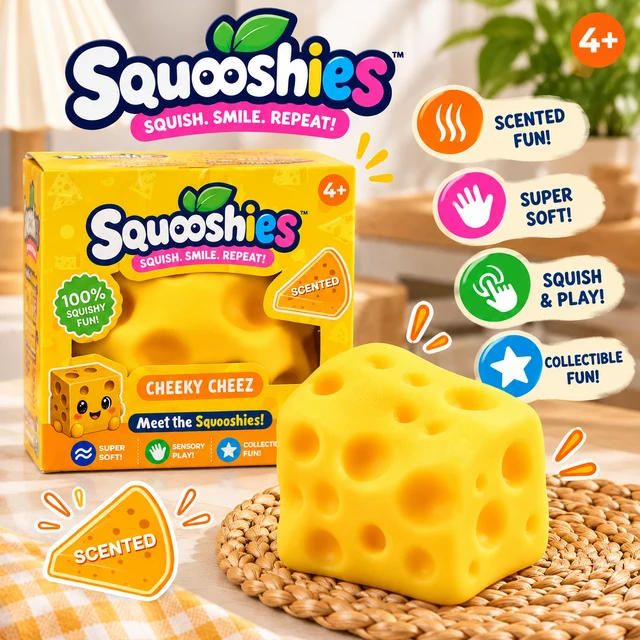
Suitable squishy toys can also provide hands-on experiences. Children can gently squeeze and release them while noticing how their shape changes. Parents should choose age-appropriate products and check for small parts or other safety concerns.
Other simple activities include moving large, age-appropriate objects between containers, turning textured pages and exploring soft fabrics.
These experiences can support the development of hand movements over time. However, children develop at different rates, so activities should remain enjoyable rather than becoming exercises they are expected to complete perfectly.
Helping Children Understand Different Textures
Texture exploration is a familiar part of sensory play. Children encounter different surfaces and materials throughout their daily lives. Soft blankets, smooth toys, rough fabrics and natural objects can all provide different tactile experiences.
Exploring these differences helps children become familiar with the physical properties of objects.
For example, parents can introduce two safe materials with different surfaces. A child can touch each one and notice whether it feels soft, smooth, rough or firm. Adults can describe these differences using simple words.
This also provides opportunities to develop vocabulary. Children gradually connect words with experiences they can see and feel.
visit for more: https://gifzy.co.uk/collections/squeeze-squishy-toys
Some children may enjoy touching a wide range of materials, while others may prefer familiar textures. Parents should respect these preferences and introduce unfamiliar sensations gradually.
There is no need to force children to touch something they dislike. Offering choices can make sensory exploration more comfortable and positive.
Encouraging Early Language Development
Sensory play can create natural opportunities for communication. Children often need words to describe what they see, hear, touch and experience.
Parents can support this process by talking about the activity while children are playing. For example, during water play, they can introduce words such as wet, dry, full, empty and splash.
During texture exploration, words such as soft, rough, smooth and bumpy can help children understand different sensations.
These conversations do not need to be long or complicated. Simple descriptions and questions are often enough to encourage communication.
Children can also learn by listening to adults explain what is happening. Repeating familiar words during different activities helps them connect language with real experiences.
For younger children who are still developing speech, pointing, facial expressions and gestures can also be meaningful ways to communicate.
Sensory Activities and Early Problem-Solving
Simple sensory experiences can encourage children to think about how things work. When they explore materials, they often make small discoveries through trial and error.
For example, a child playing with different-sized containers may try to move water from one container to another. They may notice that some containers hold more than others.
Playing with building materials can also encourage problem-solving. Children may experiment with different shapes and discover which arrangements remain stable.
These activities allow children to make choices and observe the results. They begin to understand that different actions can produce different outcomes.
Parents can encourage this process by allowing children to experiment rather than immediately showing them what to do.
The goal is not to make every activity a formal learning task. Giving children room to investigate can make ordinary play more meaningful.
Supporting Emotional Comfort Through Sensory Experiences
Children respond to different sensory experiences in different ways. Some enjoy soft materials, gentle music and familiar toys. Others prefer activities involving movement, water or a wider range of textures.
Familiar sensory experiences can sometimes provide comfort during play and everyday routines. A favourite soft toy, for example, may become a reassuring object that a child enjoys holding.
Quiet activities can also provide a calmer play experience. Looking at picture books, exploring soft fabrics or playing with suitable sensory toys may help children enjoy a slower pace.
However, sensory activities do not automatically calm every child. Some experiences may be exciting or uncomfortable depending on the child’s preferences.
Parents should observe how children respond and adjust activities accordingly. A comfortable environment allows children to explore without feeling overwhelmed.
Simple Sensory Activities Parents Can Try at Home
Sensory play does not need special equipment. Many useful activities can be created with materials already available at home.
Water Play
Water play offers opportunities to explore movement, temperature and different ways liquids behave. Children can use suitable containers to pour water from one place to another. They may also enjoy watching water flow or noticing how different objects interact with it.
Young children must always be closely supervised around water, even when it is shallow.
Exploring Soft and Rough Textures
Parents can introduce a small selection of safe materials with different textures. Soft fabric, smooth wooden objects and suitable textured toys can help children explore how surfaces feel.
Adults can describe the materials while children touch them. This introduces new vocabulary and encourages observation.
Playing with Modelling Dough
Age-appropriate modelling dough can provide opportunities to squeeze, flatten, roll and shape materials. Children can use their hands to create simple shapes and experiment with different movements.
Parents should check the product’s age guidance and ensure that children do not put unsuitable materials in their mouths.
Listening to Different Sounds
Music and everyday sounds can provide useful listening experiences. Children may enjoy gentle music, familiar household sounds or simple rhythm games.
Parents can encourage them to notice whether a sound is loud, quiet, fast or slow.
Exploring Nature
Outdoor environments offer many natural sensory experiences. Children can observe leaves, flowers, grass and other safe natural objects. They may notice differences in colour, shape, smell and texture.
Parents should supervise outdoor exploration and prevent children from tasting unknown plants, soil or other potentially unsafe materials.
Using Squishy and Soft Toys
Soft and squishy toys can make hands-on exploration enjoyable. Children may squeeze, hold and examine their shapes while noticing differences in softness and resistance.
Parents can explore suitable options through https://gifzy.co.uk/ .
Why Sensory Activities Do Not Need to Be Complicated
There is sometimes a belief that children’s learning requires expensive toys, specialist equipment or carefully organised activities. In reality, many valuable sensory experiences come from ordinary daily routines.
A child helping to wash vegetables, feeling different fabrics or listening to rain outside is already experiencing different sensory information.
Simple activities can also be repeated in different ways. A familiar toy may provide new experiences when a child explores its shape, texture or movement from another perspective.
Keeping activities simple allows children to focus on exploration rather than following too many instructions.
It also makes sensory play easier for families to include in their regular routines. Parents can choose activities according to available time, materials and their child’s interests.
Choosing Safe and Suitable Sensory Toys
Toys can provide additional opportunities for sensory exploration, but choosing appropriate products is important.
Parents should consider the child’s age, abilities and preferences before buying a toy. The recommended age on the packaging should always be checked.
For younger children, small detachable parts can create choking risks. Toys should also be checked regularly for damage, loose components and exposed filling.
Materials should be suitable for the intended use, and products should be cleaned according to their care instructions.
It is also worth considering how a child responds to different textures and sensations. A toy that looks attractive may not necessarily be enjoyable for every child.
The best choice is often a safe, suitable product that encourages natural curiosity without making play unnecessarily complicated.
How Often Should Children Take Part in Sensory Activities?
There is no single schedule that works for every child. Sensory experiences can be included naturally throughout the day.
A short activity during playtime, an outdoor exploration session or a simple hands-on experience during a daily routine can all provide opportunities for learning.
Parents do not need to plan long sessions. Children may lose interest quickly, especially when they are young. Allowing them to move between activities is a normal part of play.
It is also helpful to provide a mixture of quiet and energetic experiences. Some activities encourage careful exploration, while others involve movement and interaction.
Following the child’s interests can make these experiences more enjoyable and sustainable.
Final Thoughts
Simple sensory activities can play a valuable role in early childhood. They provide opportunities for children to explore their surroundings, discover different textures, develop hand movements and build an understanding of everyday experiences.
Parents do not need complicated equipment or expensive products to introduce sensory play. Water, safe household materials, soft toys, music and outdoor exploration can all provide useful experiences.
The most important thing is to create a safe and welcoming environment where children feel comfortable exploring at their own pace. By including simple sensory activities in everyday routines, parents can make ordinary play more interesting while supporting children’s natural curiosity and development.