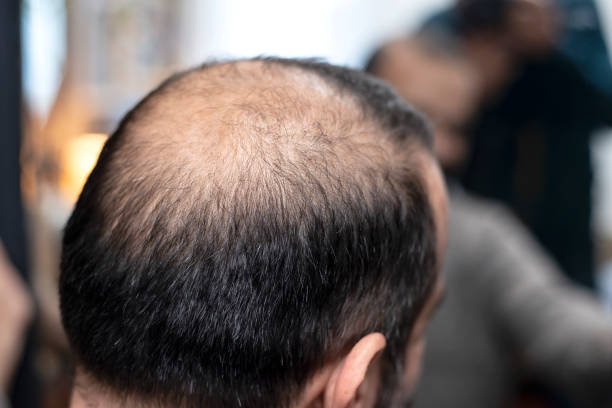
Healthy hair growth depends on several biological processes, including the activity of hair follicles, blood supply, and the natural renewal of scalp tissues. Platelets play an important role in the body’s healing response because they release growth factors and other signalling substances that help coordinate tissue repair. These properties have attracted attention in hair restoration, particularly through platelet-rich plasma (PRP) therapy. People exploring PRP Hair Treatment in Riyadh often want to understand how platelets may support hair regrowth and whether this treatment can improve thinning hair.
What Are Platelets?
Platelets are small cell fragments found in the blood. Their best-known function is helping blood clot when an injury occurs. They gather at the affected area and release substances that support the body’s natural healing process.
Platelets also contain growth factors and signalling proteins involved in tissue repair and cellular activity. These substances can influence different processes, including the behaviour of cells involved in maintaining healthy tissues. In PRP therapy, platelets are concentrated from a person’s own blood and used in a targeted treatment.
How Do Platelets Support Hair Regrowth?
Releasing Growth Factors
Platelets contain several growth factors, including platelet-derived growth factor (PDGF), vascular endothelial growth factor (VEGF), and transforming growth factor beta (TGF-β). These substances participate in cell signalling, tissue repair, and other biological processes.
When platelet-rich plasma is introduced into selected scalp areas, the released growth factors may influence the local environment around hair follicles. Researchers are studying whether these signals can support follicle activity and improve certain aspects of hair growth.
Supporting Hair Follicle Activity
Hair follicles move through natural growth, transition, and resting phases. In some forms of hair loss, this cycle becomes disrupted, and follicles may gradually produce thinner strands.
Growth factors released by platelets may influence cells involved in the hair growth cycle. PRP is being investigated for its potential to support existing follicles, particularly in people with androgenetic alopecia, also known as pattern hair loss. It cannot create new follicles or reliably restore areas where follicles have been permanently lost.
Influencing the Local Tissue Environment
Hair follicles are surrounded by skin and supporting tissues that help maintain their normal function. Platelet-derived signalling substances may influence local cellular responses and tissue repair.
This potential effect is one reason PRP has become an area of interest in hair restoration. However, research is still developing, and it is not established that PRP can correct every scalp problem or consistently improve the blood supply around follicles.
What Is Platelet-Rich Plasma (PRP) Hair Treatment?
PRP hair treatment uses a concentrated portion of the patient’s own blood. A small sample is collected and placed in a centrifuge, which separates the blood components. The platelet-rich portion is then prepared for application to selected scalp areas.
The clinician injects the plasma into areas affected by thinning using fine needles. The aim is to deliver concentrated platelets near existing follicles so their growth factors can influence the local tissue environment. Because the treatment uses the patient’s own blood, it is known as an autologous procedure.
What Types of Hair Loss May Respond to PRP?
PRP has been studied most extensively for androgenetic alopecia, which causes gradual hair thinning in men and women. Some patients with early pattern hair loss may experience improvements in hair density or thickness, although responses vary.
Its effectiveness for other types of hair loss is less established. For example, temporary shedding associated with stress, childbirth, nutritional deficiencies, or certain medical conditions may require treatment directed at the underlying cause. PRP should not be considered a universal solution for unexplained shedding or scalp disorders.
What Factors Influence the Effect of Platelets on Hair Growth?
Several factors can influence how a person responds to PRP treatment. These include the cause and severity of hair loss, the number of active follicles, overall health, and the way the PRP is prepared and administered. Individual biological differences may also affect the response.
People considering PRP Hair Treatment in Riyadh should understand that platelet concentration alone does not guarantee better results. The preparation method, clinical protocol, and suitability of the patient all matter. A qualified clinician should assess the scalp and discuss realistic expectations before recommending treatment.
How Long Do Platelets Take to Support Visible Hair Changes?
Platelets release growth factors after they are activated, but visible hair changes do not happen immediately. Hair follicles follow natural growth cycles, so any improvement in thickness or density may take several months to become noticeable.
Some treatment plans involve a series of sessions spaced several weeks apart, followed by reassessment. Not everyone responds in the same way, and some people may experience little or no improvement. Follow-up examinations can help determine whether the treatment is providing meaningful benefits.
Are There Any Risks Associated With PRP Hair Treatment?
PRP is generally considered minimally invasive, but it is not completely risk-free. Temporary tenderness, redness, swelling, or bruising may occur around injection sites. Infection is uncommon but possible, particularly if proper hygiene and sterile techniques are not followed.
A medical professional should review the patient’s health history, medications, and any platelet or blood-related conditions before treatment. People with active scalp infections or certain medical conditions may need further assessment or an alternative approach.
Book a PRP Hair Treatment Consultation at Royal Clinic Saudia
Understanding the role of platelets can help you make an informed decision about hair restoration. Royal Clinic Saudia can help you discuss your hair concerns, explore whether PRP is suitable, and understand the potential benefits and limitations of treatment through a professional consultation.
FAQs:
Do platelets directly create new hair follicles?
No. Platelets do not create new hair follicles. Their growth factors may support the activity of existing follicles, but they cannot reliably restore follicles that have been permanently lost.
Which growth factors in platelets are associated with hair regrowth?
Platelets contain growth factors such as PDGF, VEGF, and TGF-β. Researchers are studying how these signalling substances may influence cellular activity around hair follicles.
Does a higher platelet concentration guarantee better hair growth?
No. A higher concentration does not automatically produce better results. Treatment outcomes depend on several factors, including PRP preparation, individual health, and the underlying cause of hair loss.
How long does PRP take to show hair growth results?
Visible changes, when they occur, generally develop over several months. Hair growth is gradual, and results vary depending on the patient’s condition and response to treatment.