Have you ever visited an outdoor space where people gather to enjoy live performances, music, cultural events or even a simple community celebration? If you have, there’s a good chance you’ve experienced an outdoor amphitheatre.
Unlike traditional indoor auditoriums, outdoor amphitheatres bring people closer to nature while providing a dedicated space for entertainment and social gatherings. They can be designed in public parks, luxury villas, resorts, educational campuses and commercial landscapes.
But what actually goes into designing one? Is it simply about creating a stage and arranging some seating? Not quite! A well-designed amphitheatre requires careful planning, suitable materials, comfortable seating and a layout that makes every event enjoyable.
Let’s explore how these spaces are designed and what you should consider before creating one.
What Is an Outdoor Amphitheatre?
An outdoor amphitheatre is an open-air performance and gathering space designed with a central stage and tiered or curved seating arrangements.
The seating is generally positioned around the stage in a semi-circular or curved formation. This allows visitors to enjoy performances while maintaining a clear view of the stage.
You might find outdoor amphitheatres in:
- Public parks and recreational gardens
- Luxury villa communities
- Hotels and holiday resorts
- Schools and university campuses
- Commercial and entertainment spaces
- Waterfront promenades and landscaped gardens
The best part? An amphitheatre doesn’t always need to be a massive structure. Even a compact garden can accommodate a small performance area with thoughtfully arranged seating.
How Is an Outdoor Amphitheatre Designed?
Designing an amphitheatre involves more than choosing its shape. Every element should work together to create a comfortable and functional outdoor environment.
Here are the important design considerations.
1. Choose the Right Location
The first step is selecting a suitable location. Ideally, the area should have enough space for the stage, audience seating, circulation paths and surrounding landscaping.
Natural slopes are particularly useful because they can reduce the need for extensive excavation while helping create stepped seating arrangements.
Before finalising the location, consider:
- Ground conditions and soil stability
- Natural drainage and rainwater flow
- Sunlight direction and shade
- Accessibility for visitors
- Surrounding buildings and noise levels
A little planning at this stage can prevent expensive changes later.
2. Design Comfortable Tiered Seating
Seating is one of the most important features of an amphitheatre. After all, nobody wants to spend an entire performance struggling to see the stage!
Curved or semi-circular seating arrangements are popular because they create a welcoming atmosphere and provide good viewing angles.
Common seating options include concrete steps, natural stone benches, timber seating and landscaped grass terraces.
For larger projects, designers should also consider accessible seating spaces, handrails, steps and dedicated pathways.
3. Create a Functional Stage Area
The stage is the centre of attention, so its size and positioning should match the intended activities.
For example, a hotel amphitheatre may require space for musical performances, while a residential community space might only need a small platform for gatherings and celebrations.
Consider including:
- A durable, non-slip stage surface
- Electrical connections for lighting and sound
- Background walls or decorative features
- Weather-resistant construction materials
- Suitable access for performers and equipment
The stage should feel connected to the surrounding landscape rather than looking like a separate structure.
4. Select Suitable Outdoor Materials
Material selection makes a significant difference to the appearance, durability and maintenance requirements of an amphitheatre.
Since these spaces are exposed to sunlight, rain, dust and changing weather conditions, materials should be selected carefully.
| Material | Where It Can Be Used | Main Benefit |
|---|---|---|
| Natural stone | Seating and pathways | Strong and timeless appearance |
| Concrete | Steps and stage areas | Durable and versatile |
| Timber | Decorative seating and platforms | Warm, natural appearance |
| Composite materials | Outdoor seating and selected flooring areas | Lower maintenance requirements |
| Grass | Terraced seating and surrounding landscape | Natural and comfortable setting |
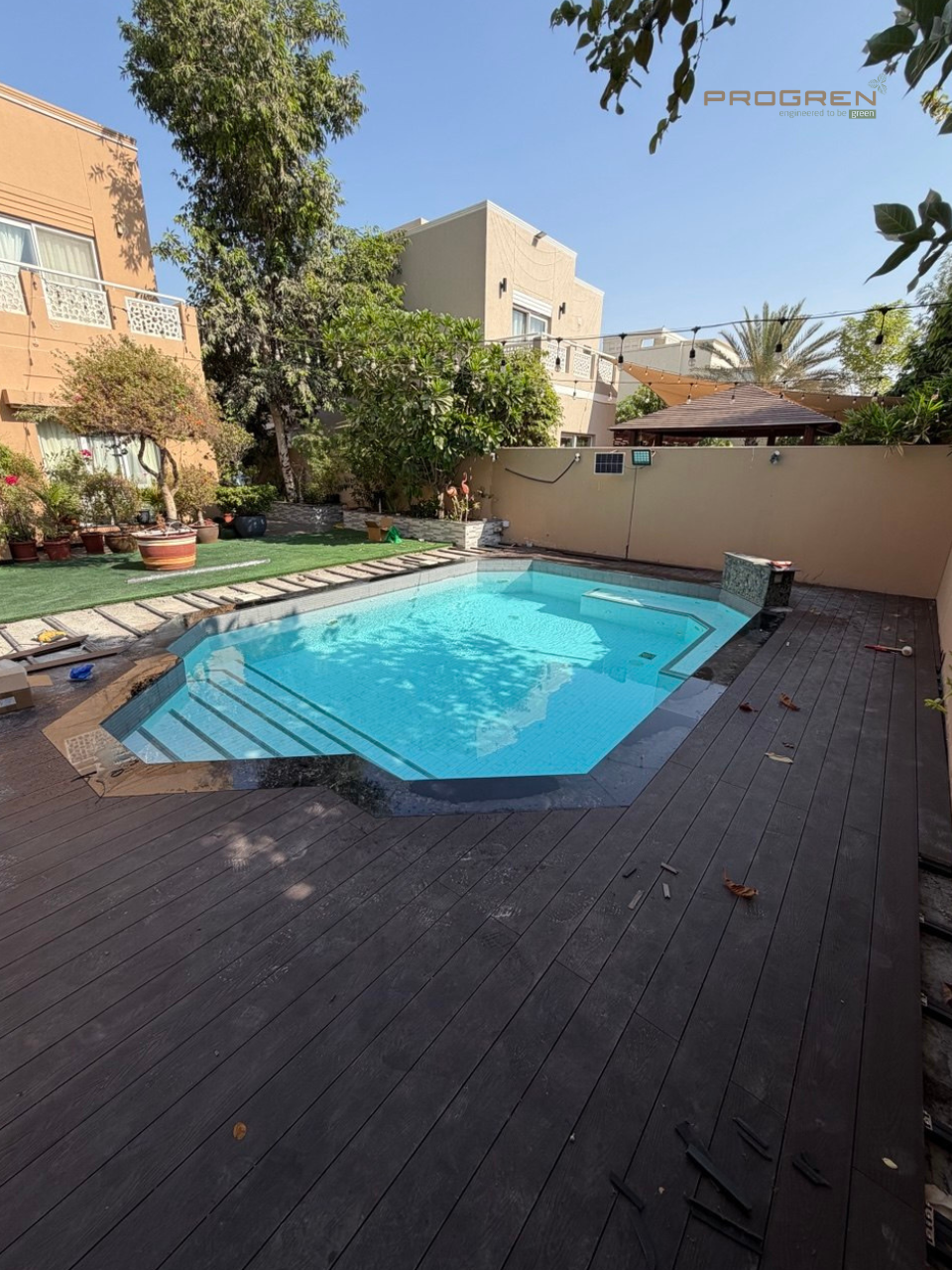
For example, incorporating Outdoor Wooden Flooring into selected walkways or adjoining relaxation areas can create a warmer transition between the performance space and surrounding garden.
5. Plan Lighting and Acoustics
An amphitheatre should be enjoyable during both daytime and evening events.
Lighting can highlight the stage, illuminate pathways and improve visitor safety. Low-level landscape lights, step lights and carefully positioned spotlights are useful options.
Acoustics also deserve attention. The stage orientation, seating arrangement, surrounding structures and landscape features can influence how sound travels.
For larger venues, professional acoustic planning may be necessary to minimise sound loss and unwanted echoes.
6. Integrate Landscaping Around the Amphitheatre
This is where the design becomes particularly interesting!
An outdoor amphitheatre should feel like a natural part of its surroundings. Instead of filling every available space with concrete, consider introducing greenery, shade trees, flowering plants and decorative landscape features.
Working with experienced Landscaping Companies Dubai can help bring together the seating, pathways, planting and outdoor finishes into one cohesive design.
You could also introduce:
- Vertical gardens around selected boundary walls
- Decorative planters near entrance pathways
- Native plants that require less maintenance
- Pergolas for shaded waiting areas
- Water features as surrounding design elements
The goal is to create a space that looks attractive even when there isn’t an event taking place.
Popular Outdoor Amphitheatre Design Styles
Looking for inspiration? Here are a few approaches worth considering.
| Design Style | Key Features | Suitable For |
|---|---|---|
| Natural landscape amphitheatre | Grass terraces and stone seating | Public parks |
| Modern contemporary | Geometric seating and concrete finishes | Commercial spaces |
| Luxury resort style | Timber finishes and decorative lighting | Hotels and resorts |
| Garden amphitheatre | Curved seating with lush greenery | Villas and residential communities |
| Waterfront amphitheatre | Open views and weather-resistant materials | Coastal developments |
What Are the Latest Design Trends?
Outdoor amphitheatre designs are becoming more flexible and experience-focused. Rather than creating spaces that are used only for performances, designers are increasingly considering how people can enjoy them throughout the day.
Some interesting design directions include:
- Multi-purpose spaces: Areas that accommodate concerts, yoga sessions, outdoor cinema and community events.
- Integrated greenery: More natural planting around seating and stage areas.
- Smart lighting: Energy-efficient LED systems with adjustable lighting effects.
- Sustainable materials: Greater consideration of recycled, locally sourced and responsibly selected materials.
- Flexible seating: Spaces that can accommodate different audience sizes and activities.
These ideas make an amphitheatre more useful throughout the year.
Important Tips Before Building an Outdoor Amphitheatre
Before starting construction, keep these practical points in mind:
- Understand the primary purpose of the amphitheatre.
- Estimate the expected audience capacity.
- Check drainage and ground conditions before construction.
- Choose materials suitable for outdoor exposure.
- Include accessible pathways and seating.
- Plan lighting, electrical connections and sound requirements early.
- Consider maintenance when selecting plants and finishes.
One important point: don’t focus entirely on how the amphitheatre looks in a design image. Think about how people will actually use it. Comfortable movement, visibility and accessibility matter just as much as appearance.
Frequently Asked Questions
1. What is the main purpose of an outdoor amphitheatre?
An outdoor amphitheatre provides a dedicated open-air space for performances, concerts, cultural programmes, community gatherings and entertainment activities.
2. What materials are best for outdoor amphitheatre construction?
Concrete, natural stone, timber, composite materials and weather-resistant finishes are commonly considered. The right choice depends on the climate, design requirements and maintenance expectations.
3. Can an outdoor amphitheatre be built in a small garden?
Yes! A compact amphitheatre can be created using a small stage, curved seating and carefully planned landscaping. The design should be proportionate to the available space.
4. How can an outdoor amphitheatre be made more attractive?
Introduce greenery, decorative lighting, natural materials, attractive seating and well-designed pathways. These features help create a welcoming atmosphere.
5. Does an outdoor amphitheatre require professional landscaping?
Professional planning is recommended, particularly for larger projects. Experienced Landscaping Companies Dubai can help coordinate planting, pathways, outdoor materials, drainage and the overall landscape design.
Final Thoughts
An outdoor amphitheatre is more than just a stage surrounded by seats. It’s a place where people come together, share experiences and enjoy the outdoors.
Whether you’re planning one for a luxury resort, residential community, public park or commercial development, the key is balancing functionality with attractive landscape design.
At Progren Flooring, we believe that the right outdoor materials and carefully planned finishes can make a significant difference to how people experience an outdoor space. When seating, flooring, greenery and lighting work together, even a simple open area can become a memorable destination.
So, if you’re planning an outdoor amphitheatre, start by thinking about the experience you want visitors to have. The best designs are not just beautiful to look at; they’re spaces people genuinely enjoy spending time in.