
Burning during urination can be an uncomfortable and worrying experience, especially when it happens unexpectedly. You may notice a stinging sensation, frequent bathroom visits, or pressure in your lower abdomen. While these symptoms often suggest a urinary tract infection, other medical conditions can cause similar discomfort. Patients searching for medical treatment for painful urination in Michigan often want to understand when symptoms require professional attention. Knowing your uti treatment michigan options can help you recognize warning signs, avoid unnecessary medications, and receive appropriate care before symptoms worsen.
Understanding Burning Urination and UTI Symptoms in Sterling Heights, Michigan
For residents of Sterling Heights, Michigan, urinary discomfort can develop suddenly and interfere with work, family activities, and sleep.
Burning urination, medically called dysuria, is a symptom rather than a specific diagnosis. It may occur when bacteria cause inflammation in the urinary tract, but irritation and other medical conditions can produce similar symptoms.
A bladder infection is one of the most common causes of painful urination.
Common symptoms associated with a UTI include:
-
Burning or stinging while urinating
-
Frequent urges to use the bathroom
-
Passing small amounts of urine
-
Pressure or discomfort in the lower abdomen
-
Cloudy or blood-tinged urine
-
Persistent urinary urgency
A relatable example
Imagine a 38-year-old teacher who notices mild burning during her morning bathroom routine. As the school day progresses, she feels an increasing urge to urinate, even after recently using the restroom.
Initially, she assumes dehydration is responsible. However, when the discomfort continues into the evening, she contacts a healthcare provider.
During the evaluation, the provider considers her symptoms, medical history, and whether urine testing is necessary.
This hypothetical example shows why persistent urinary discomfort deserves attention rather than automatic self-treatment.
Although many urinary infections are uncomplicated, symptoms can sometimes indicate conditions requiring more immediate care.
What Causes Painful Urination Besides a Urinary Tract Infection?
Bacterial bladder infections are a frequent cause of burning urination, but they are not the only possibility.
Understanding other causes helps patients avoid assuming that every urinary symptom requires antibiotics.
1. Bacterial Urinary Tract Infections
Most bacterial UTIs develop when bacteria enter the urinary system through the urethra and multiply.
Escherichia coli (E. coli) is a common cause of bladder infections.
2. Sexually Transmitted Infections
Certain sexually transmitted infections can cause painful urination and symptoms that resemble a bladder infection.
Appropriate testing helps distinguish these conditions.
3. Vaginal or Genital Irritation
Scented hygiene products, irritation, and certain vaginal infections may cause burning or discomfort around urination.
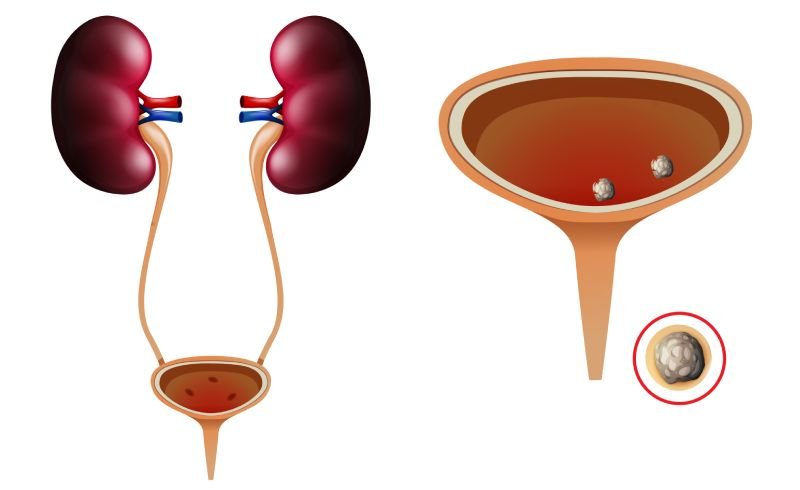
4. Kidney Stones
Urinary stones may cause painful urination, blood in the urine, or significant discomfort in the side or back.
5. Prostate-Related Conditions
Men experiencing urinary discomfort may have prostate inflammation, enlargement, or other conditions affecting bladder emptying.
How Do Healthcare Providers Identify the Cause?
A medical evaluation may include:
-
Symptom assessment: Reviewing pain, urinary frequency, and associated symptoms.
-
Medical history: Considering previous infections, medications, and health conditions.
-
Urinalysis: Checking urine for findings associated with infection or inflammation.
-
Urine culture: Identifying bacteria when additional testing is appropriate.
-
Other examinations: Investigating alternative causes when symptoms suggest another condition.
Not every patient requires every test. Diagnostic decisions depend on individual circumstances.
Accurate assessment helps ensure treatment addresses the actual cause of discomfort.
When to Seek Medical Attention and How to Manage UTI Burning
Some patients delay medical care because they expect urinary discomfort to disappear naturally.
Although mild symptoms occasionally improve without antibiotics, persistent or worsening symptoms should be evaluated.
Seek prompt medical attention if you experience:
-
Fever or shaking chills
-
Pain in the back or side
-
Nausea or vomiting with urinary symptoms
-
Increasing urinary discomfort
-
Visible blood in the urine
-
Symptoms that repeatedly return
Fever, flank pain, or vomiting may indicate a kidney infection.
Severe illness, confusion, fainting, or signs of sepsis require emergency evaluation.
Pregnant patients with suspected UTIs should also seek prompt medical assessment.
Practical Steps for Managing Discomfort
Patients searching for Immediate relief for UTI burning may find the following supportive measures helpful.
1. Maintain appropriate hydration
Drinking enough water supports normal urinary function. Patients with medical fluid restrictions should follow professional guidance.
2. Reduce potential bladder irritants
Coffee, alcohol, and acidic beverages may worsen urinary discomfort in some individuals.
3. Discuss temporary pain relief
A healthcare professional can recommend suitable short-term symptom-relief medication.
However, pain medication does not eliminate infection-causing bacteria.
4. Avoid taking leftover antibiotics
Previously prescribed antibiotics may not be appropriate for a new infection.
5. Follow medical instructions carefully
When antibiotics are prescribed, take them exactly as directed.
Contact your provider if symptoms worsen or do not begin improving as expected.
How UTI Treatment Michigan Helps Address Persistent and Recurring Symptoms
Receiving appropriate medical care is important when urinary symptoms become persistent or repeatedly return.
Some individuals experience occasional bladder infections, while others develop repeated episodes requiring additional evaluation.
Recurrent UTIs are generally defined as two infections within six months or three within one year.
Patients looking for Chronic UTI treatment may be experiencing recurring bacterial infections or another condition causing ongoing urinary discomfort.
These situations require different medical approaches.
Treatment for recurrent UTI in females may involve reviewing previous urine cultures, assessing hormonal changes, and discussing individual risk factors.
Potential contributing factors include:
-
Menopause-related hormonal changes
-
Certain contraceptive methods
-
Incomplete bladder emptying
-
Urinary tract abnormalities
-
Previous urinary infections
At Dobra Primary Care & Family Medicine, Dr. Syed Mazhar, MD. provides primary care for patients experiencing urinary symptoms and other acute medical concerns.
Patients near Sterling Heights can discuss persistent burning urination, previous infection history, and appropriate treatment options during a medical consultation.
For individuals with repeated infections, healthcare providers may recommend additional testing, preventive strategies, or specialist evaluation.
The goal is to identify the underlying cause rather than repeatedly treating symptoms without confirming an infection.
Conclusion
Burning urination can be caused by a bladder infection, irritation, or another urinary condition. Recognizing accompanying symptoms, understanding warning signs, and seeking appropriate medical evaluation can help patients avoid unnecessary discomfort and complications. Those experiencing persistent or recurring symptoms should discuss their concerns with a qualified healthcare provider. Timely diagnosis, suitable treatment, and personalized prevention strategies can support recovery and better long-term urinary health.


