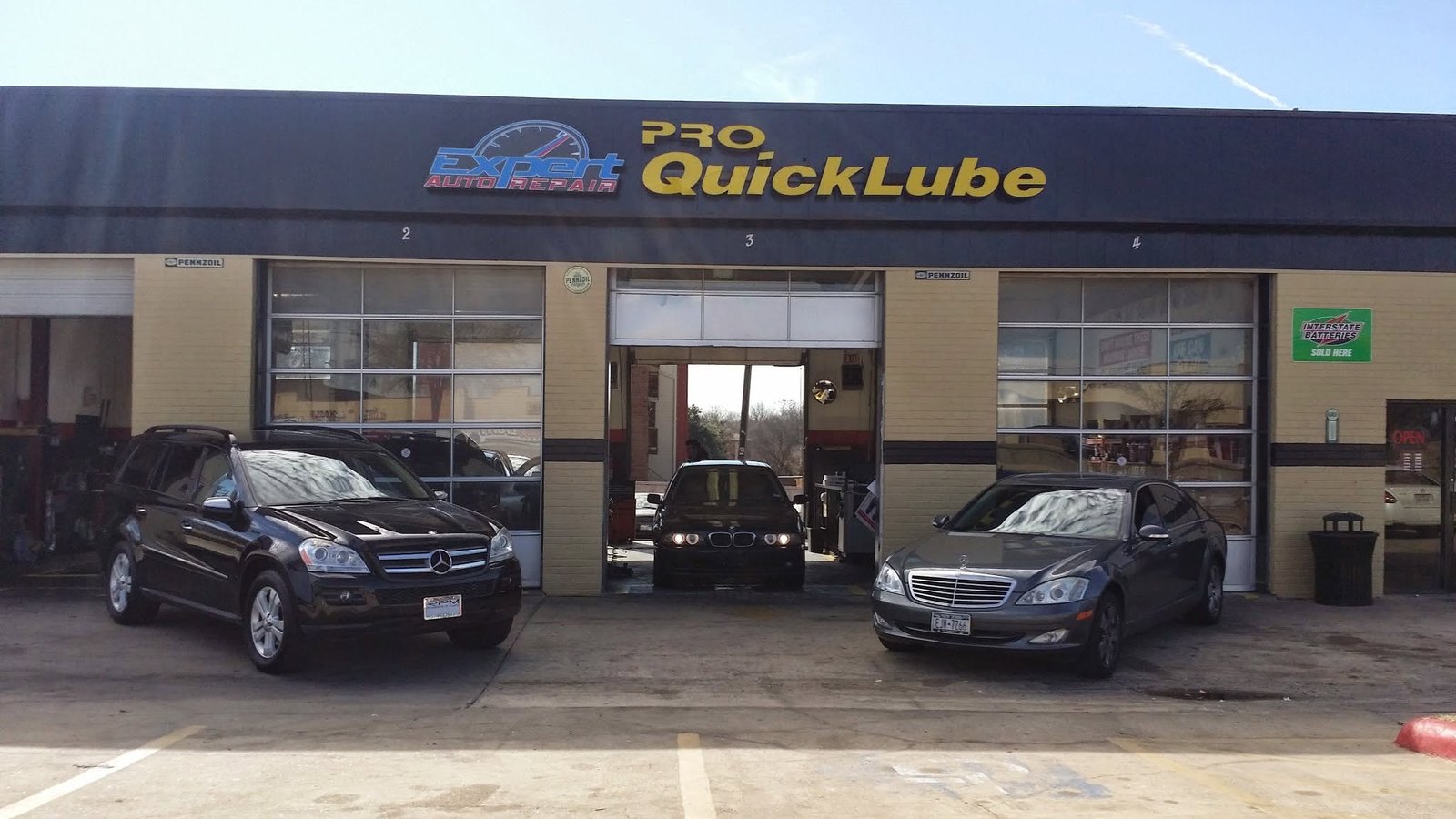
Keeping a vehicle in good condition requires regular attention to its engine and essential components. One of the simplest yet most important maintenance tasks is changing the engine oil at the recommended intervals. Pro Quick Lube & Auto Repair Fresh oil helps protect internal engine parts, supports smooth operation, and reduces the effects of friction and heat. For drivers who commute daily or travel long distances, maintaining a consistent oil change schedule can help prevent avoidable engine problems.
Why Engine Oil Is Important
Engine oil performs several essential functions. It lubricates moving components, reduces friction, and helps control the heat produced while the engine operates. It also carries dirt and small contaminants away from sensitive areas, allowing the oil filter to capture many unwanted particles.
As oil ages, it gradually collects contaminants and loses some of its protective properties. Old or insufficient oil may not provide the same level of lubrication as fresh oil. This can contribute to increased engine wear and reduced performance over time.
Regular oil changes help maintain the lubrication system and support the overall health of the engine.
How Dallas Driving Conditions Affect Engine Oil
Driving conditions can influence how quickly engine oil deteriorates. In Dallas, motorists may experience hot weather, heavy traffic, frequent stops, and extended periods of idling. These conditions can place additional demands on an engine.
High temperatures can increase the stress placed on engine oil. Stop-and-go traffic may also prevent the engine from operating under consistent driving conditions. Drivers who regularly make short trips should pay particular attention to their maintenance schedules because the engine may not always reach its ideal operating temperature.
Following the vehicle manufacturer’s recommendations is the best way to determine an appropriate oil change interval. Drivers should also consider their everyday driving habits when planning routine maintenance.
Warning Signs That Your Vehicle Needs an Oil Change
A vehicle may provide several signs when its engine oil needs attention. Recognizing these symptoms early can help drivers arrange maintenance before minor concerns become more serious.
1. Dark or Dirty Oil
Engine oil naturally becomes darker as it collects contaminants. Checking the dipstick regularly can help drivers monitor oil condition and level.
2. Dashboard Warning Lights
An oil pressure warning light may indicate a serious lubrication problem. Drivers should stop safely and follow the vehicle manufacturer’s guidance rather than continuing to drive with a warning light illuminated.
3. Unusual Engine Sounds
Insufficient or degraded oil may contribute to increased friction between engine components. Ticking, knocking, or other unusual noises should be inspected by a qualified technician.
4. Burning Oil Smell
A burning smell may indicate an oil leak or oil contacting a hot engine surface. An inspection can help identify the source.
5. Oil Level Drops
A falling oil level may result from oil consumption or a leak. Checking the level regularly can help identify a problem before it affects engine operation.
Choosing the Correct Engine Oil
Not every vehicle uses the same type of engine oil. Manufacturers specify particular viscosity grades and performance standards based on engine design and operating requirements.
Some vehicles require full synthetic oil, while others may use synthetic blends or conventional formulations that meet the manufacturer’s specifications. Using the correct oil helps ensure proper lubrication and protection.
The owner’s manual is the most reliable source for identifying the recommended oil type. A professional technician can also help confirm the correct product and replacement filter for a particular vehicle.
Benefits of Professional Oil Change Services
Professional oil changes involve more than removing old oil and adding fresh lubricant. A proper service can include replacing the oil filter, checking fluid levels, inspecting for visible leaks, and confirming that the engine has the correct oil quantity.
Technicians may also notice other maintenance concerns during the service. Identifying these issues early can help drivers plan repairs and avoid unexpected problems.
Drivers searching for a convenient Dallas oil change option can review available service information and arrange routine maintenance according to their vehicle’s needs.
Simple Ways to Maintain Engine Health Between Services
Oil changes are essential, but everyday maintenance habits also contribute to engine reliability. Drivers can take several practical steps to keep their vehicles in better condition.
- Check the engine oil level regularly, especially before longer journeys.
- Follow the maintenance schedule recommended by the manufacturer.
- Pay attention to dashboard warning lights and unusual engine noises.
- Check coolant levels and watch for signs of overheating.
- Replace air filters according to the recommended service interval.
- Keep records of oil changes, mileage, and other maintenance work.
These habits make it easier to monitor vehicle condition and identify potential concerns early.
Why Maintenance Records Matter
Keeping a record of every oil change helps drivers track their vehicle’s service history. Recording the date, mileage, oil type, and filter replacement makes it easier to plan the next appointment.
Maintenance records can also be useful when selling a vehicle because they demonstrate that routine servicing has been taken seriously. A consistent service history provides a clearer picture of how the vehicle has been maintained over time.
Conclusion
Regular oil changes are a fundamental part of responsible vehicle ownership. Fresh engine oil helps reduce friction, manage operating temperatures, and protect important internal components. Dallas drivers should consider their driving conditions, monitor oil levels, and follow manufacturer recommendations when planning maintenance.
With the correct oil, a suitable replacement filter, and timely professional servicing, motorists can support reliable engine performance and help reduce the risk of preventable repairs.