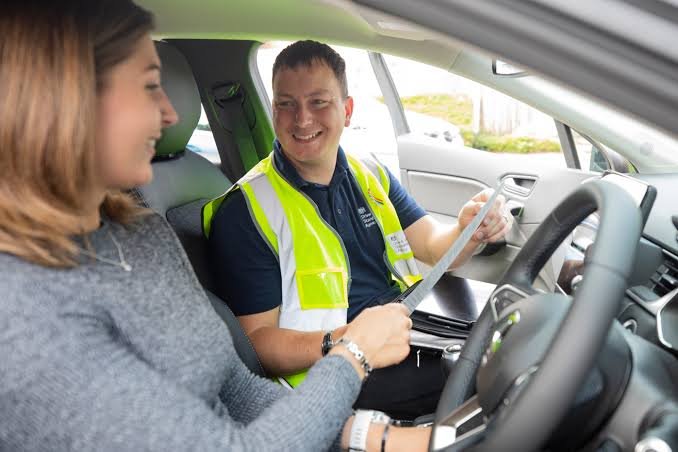
Driving an automatic car is often easier to learn than driving a manual vehicle because there is no need to operate a clutch pedal or manually change gears. Automatic transmissions handle gear changes for you, allowing you to concentrate on steering, road conditions, traffic signs and safe driving. Whether you are a complete beginner or switching from a manual car, understanding how to drive an automatic car can help you become a confident and responsible driver.
In this guide, we explain the essential controls, gear positions, starting procedures, driving techniques and safety tips you need to know before getting behind the wheel.
1. Understand the Automatic Car Gear Positions
Before starting an automatic car, familiarise yourself with the gear selector. Most automatic vehicles have four main gear positions:
- P – Park: Locks the transmission and prevents the vehicle from moving. Use this position when parking.
- R – Reverse: Allows the vehicle to move backwards. Always come to a complete stop before selecting reverse.
- N – Neutral: Disconnects the engine from driving the wheels. It is generally used in specific situations rather than during normal driving.
- D – Drive: Allows the car to move forward and automatically select the appropriate gears.
Some vehicles also feature additional settings, such as S (Sport), L (Low), B (Brake) or manual shift mode. These provide extra control for particular driving conditions.
Understanding these settings is the first step towards learning how to drive an automatic car safely.
2. Adjust Your Driving Position
Before starting the engine, adjust your seat, steering wheel and mirrors. Your feet should comfortably reach the pedals, while your hands should rest naturally on the steering wheel.
Unlike a manual car, most automatic vehicles have only two pedals:
- Accelerator: Located on the right, it increases the vehicle’s speed.
- Brake: Located on the left, it slows down or stops the vehicle.
Always use your right foot for both pedals. Keep your left foot resting comfortably away from the pedals. Using one foot prevents accidentally pressing the accelerator and brake simultaneously.
Adjust your rear-view and side mirrors to minimise blind spots and ensure you have a clear view of surrounding traffic.
3. How to Start an Automatic Car
Starting an automatic vehicle is straightforward when you follow the correct procedure.
- Make sure the gear selector is in Park (P).
- Press the brake pedal firmly with your right foot.
- Insert the key or press the engine start button.
- Check the dashboard for warning lights.
- Keep your foot on the brake and select Drive (D).
- Release the parking brake when you are ready to move.
- Slowly release the brake pedal and gently press the accelerator if necessary.
Many automatic cars begin moving slowly when you release the brake. This is known as creep and is normal in many traditional automatic transmissions.
Avoid pressing the accelerator suddenly, particularly when driving for the first time.
4. How to Drive an Automatic Car Forward
Once the vehicle is in Drive, you can begin moving forward.
Gently release the brake and allow the car to move. Apply light pressure to the accelerator to increase speed smoothly. Automatic transmissions change gears according to vehicle speed, engine load and driving conditions.
Keep both hands positioned appropriately on the steering wheel and maintain a safe distance from other vehicles.
When driving on busy roads, avoid sudden acceleration and braking. Look ahead, anticipate traffic movements and maintain a consistent speed whenever conditions allow.
Remember that smooth driving is more important than driving quickly.
5. How to Reverse an Automatic Car
Reversing requires patience and careful observation.
Follow these steps:
- Bring the vehicle to a complete stop.
- Keep your foot firmly on the brake.
- Select Reverse (R).
- Check your mirrors and look around for pedestrians, vehicles and obstacles.
- Release the brake slowly.
- Use gentle accelerator pressure only when necessary.
- Reverse slowly while continuously checking your surroundings.
Many modern vehicles include reversing cameras and parking sensors. These features can help you judge distances, but they should never replace direct observation.
Avoid relying entirely on the camera because it may not show every obstacle.
6. How to Stop and Park an Automatic Car
Stopping an automatic vehicle is simple. Release the accelerator and gradually apply the brake until the car comes to a complete stop.
When parking, follow this general procedure:
- Stop the vehicle completely.
- Keep your foot on the brake.
- Apply the parking brake.
- Move the gear selector to Park (P).
- Switch off the engine.
When parking on a hill, apply the parking brake before selecting Park to help reduce strain on the transmission’s parking mechanism.
Always ensure the vehicle is securely parked before leaving it.
7. Essential Tips for Driving an Automatic Car Safely
Learning the basic controls is important, but developing safe driving habits is equally essential.
Consider these practical tips:
- Avoid using both feet: Use your right foot for the accelerator and brake.
- Never change gears while moving: Stop completely before selecting Park or Reverse.
- Maintain a safe following distance: Leave enough space to react if traffic suddenly slows.
- Avoid sudden acceleration: Apply gradual pressure to the accelerator.
- Check blind spots: Look over your shoulder before changing lanes or reversing.
- Follow speed limits: Adjust your speed according to road conditions and traffic.
- Avoid distractions: Never use your mobile phone while driving.
- Use indicators: Signal clearly before turning or changing lanes.
These habits help reduce the risk of accidents and make driving more comfortable.
8. Common Mistakes Beginners Should Avoid
New automatic drivers sometimes make mistakes because they are unfamiliar with how the transmission works.
One common mistake is shifting into Park while the vehicle is still moving. This can damage transmission components. Always stop completely before selecting Park.
Another mistake is pressing the accelerator too hard when moving away from a stationary position. Sudden acceleration can make the vehicle difficult to control.
Some beginners also shift into Neutral while travelling downhill. This is not recommended because it reduces engine braking and can affect vehicle control.
Finally, avoid resting your left foot on the brake pedal. Even light pressure can cause unnecessary brake wear and overheating.
9. Practise Before Driving on Busy Roads
Practice is essential for becoming a confident automatic car driver. Start in a quiet, open area with a qualified driving instructor or appropriately licensed supervisor.
Practise starting, stopping, steering, reversing, parking and controlling your speed. Once you feel comfortable, gradually progress to quieter public roads and more challenging traffic conditions.
Learn local traffic laws, road signs and right-of-way rules before driving independently. In the UK, for example, drivers must follow Highway Code guidance and hold the appropriate driving licence for the vehicle they operate.
Remember that an automatic driving test or licence restriction may differ from the requirements for manual vehicles.
Conclusion
Learning how to drive an automatic car is relatively simple once you understand the gear positions, pedals and basic driving procedures. With no clutch pedal or manual gear changes to worry about, beginners can focus more on road awareness, steering and vehicle control.
However, automatic vehicles still require responsible driving, regular practice and a good understanding of traffic regulations. Start slowly, avoid common mistakes and develop safe driving habits. With proper instruction and consistent practice, you can become a confident automatic car driver.