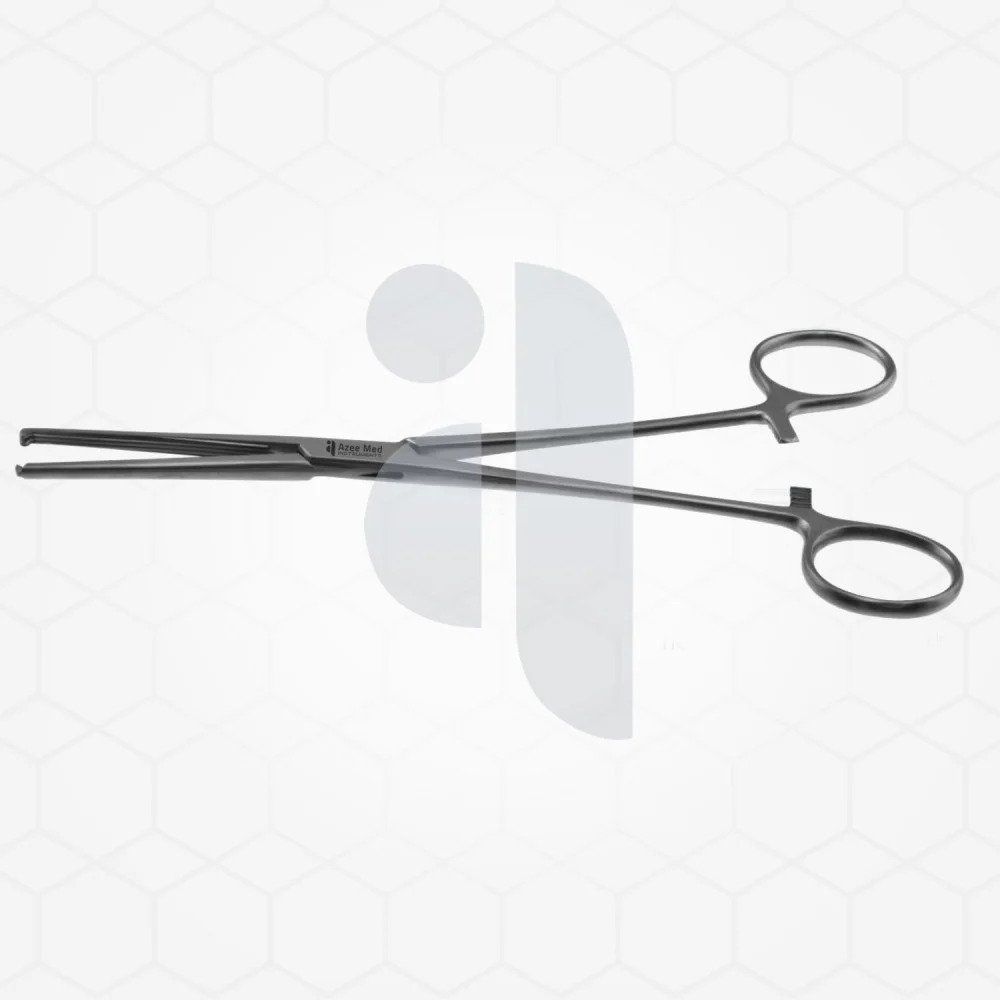
Clamps vascular are surgical instruments that temporarily stop or reduce blood flow through arteries and veins during surgery. Unlike standard hemostats that crush tissue, these clamps compress vessels gently, so the vessel wall stays intact. This allows surgeons to work in a controlled, bloodless field and then restore normal circulation once the repair is complete. The safety of clamps vascular depends on precision manufacturing.
Atraumatic Jaw Design
The defining feature of clamps vascular is their atraumatic jaw. Many models use DeBakey-style serrations, which are fine rows of tiny teeth that grip the vessel securely without tearing the delicate inner lining. This matters because damage to the vessel wall can lead to clots, leaks, or long-term narrowing. A ratchet lock lets the surgeon set the right amount of pressure, firm enough to stop the flow but gentle enough to protect the tissue.
Common Types and Their Roles
Surgeons choose from a range of clamps vascular depending on the vessel’s size and location. DeBakey clamps are versatile, all-purpose options for larger vessels. Satinsky clamps have a curved, side-biting shape that partially blocks the aorta or vena cava while blood continues to flow through the rest of the vessel. Bulldog clamps are small, spring-loaded clamps for fine vessels, and they stay in place without needing a hand to hold them.
Where Surgeons Use Them
You will find medical forceps in procedures such as bypass grafting, aneurysm repair, carotid endarterectomy, and organ transplantation. In each case, the surgeon must open or join a vessel without heavy blood loss. Clamping above and below the repair site creates a safe window for suturing. When the clamps are released, blood returns to the area, and the team can check the repair for leaks right away.
Proper Care and Maintenance
Good care keeps clamps vascular performing reliably. Clean them promptly after surgery so blood does not dry inside the serrations. Inspect the jaw teeth under magnification, check that the jaws align properly, and test the ratchet before sterilization. Store each clamp unlocked to reduce stress on the joint and extend its working life.
Partnering With a Trusted Manufacturer
Choosing the right supplier is as important as choosing the right instrument. AzeeMed focuses on making surgical instruments of the highest quality for the medical community around the globe. With over two decades of experience, we offer a wide range of instruments for many surgical specialties, including plastic, dental, ophthalmic, neuro and spine, and orthopedic surgeries. When you source clamps vascular from an experienced maker, you gain consistent craftsmanship and instruments you can trust in critical moments.
Conclusion
Clamps vascular play an essential role in modern surgery by controlling blood flow without harming delicate vessels. Their atraumatic jaws, specialized shapes, and secure ratchets help surgeons work with precision and confidence. Choosing well-made instruments and maintaining them carefully protects both patients and surgical teams. For dependable performance in every procedure, partner with a manufacturer that puts quality and experience first.