Shopping centers, offices, industrial complexes, residential strata lots, and public facilities rely on clean parking areas to welcome visitors, protect vehicles, and keep foot traffic moving safely. Over time, windblown leaves, loose grit, packaging litter, dust, and stray debris collect along kerbs, drainage channels, wheel stops, and parking bays. Many facility managers look into Park Sweeping when routine spot picking or leaf blowing leaves behind fine grit or shifts debris into storm drains and corners. Left unaddressed, loose gravel and litter can create slip or trip hazards, scratch paint or tyres, block stormwater grates, and give visitors an impression of neglect before they even enter the building. Regular sweeping helps keep parking lots orderly and easier to manage.
How Park Sweeping Keeps Vehicle Bays and Walkways Clear
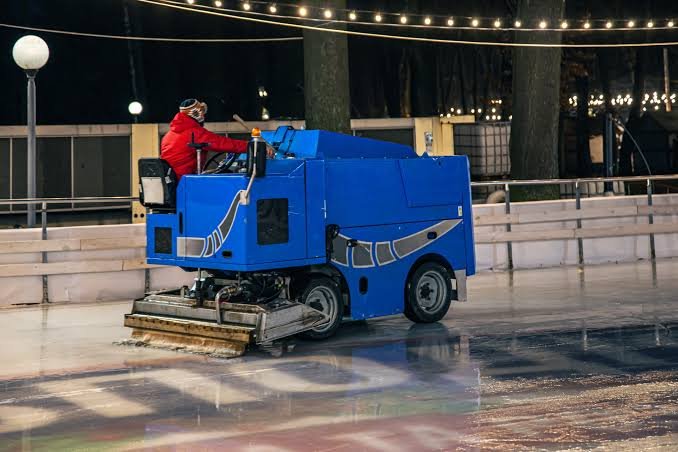
Effective Park Sweeping uses mechanical sweepers, vacuum or brush systems, and targeted detail work to pick up litter, sand, dirt, and fallen leaves across driving lanes, parking stalls, kerbs, and entry aprons. Larger open lots and multi-bay sites benefit from ride-on or commercial sweeping equipment that covers ground efficiently while capturing fine dust and debris rather than simply blowing it onto neighbouring paths. Tight corners, bollards, ramps, and pedestrian crossings often need careful manoeuvring or handheld finishing so no pocket of debris gets missed. Combining broad mechanical passes with thorough edge pickup helps leave parking areas neat from entrance to exit.
Why Site Planning and Equipment Choice Matter
Running sweeping gear through a busy parking lot without planning around parked cars, deliveries, or kerbs can slow work down or miss high-accumulation spots. Experienced operators inspect layout pinch points, kerb height, drainage grates, surface wear, and peak traffic windows before starting a run. Areas near loading docks, bins, trees, or retail entrances often collect debris faster than outer bays and may need closer attention or follow-up scrubbing or pressure washing for sticky spills. Scheduling work during quieter periods or coordinating staged zones also helps operators reach bays that are normally occupied during business hours. Thoughtful planning keeps sweeping thorough and non-disruptive.
Key Factors to Consider Before Scheduling Parking Sweeping
Every parking facility has its own layout, traffic pattern, and debris load that shape how a sweeping schedule is built. Keep these practical factors in mind before booking Park Sweeping:
-
Lot Size and Layout: Account for driving lanes, bay counts, tight turns, kerbs, ramps, and pedestrian walkways.
-
Debris Sources: Consider nearby trees, construction dust, retail packaging, bin zones, or coastal winds driving accumulation.
-
Operating Hours and Traffic: Plan around customer peaks, staff shifts, deliveries, or resident parking habits.
-
Service Frequency: Decide whether weekly, fortnightly, monthly, or seasonal runs suit your site’s turnover and exposure.
-
Complementary Surface Care: Identify where mechanical scrubbing or pressure washing is needed for oil marks, stains, or moss.
How to Compare Sweeping Contractors and Written Quotes
Choosing a dependable contractor is much easier when you compare equipment capability, schedule reliability, communication, and written quotes. Ask prospective providers how they handle tight bays, kerb lines, and fine dust control, and how they coordinate around occupied spaces or after-hours windows. Clear written quotes should spell out covered areas, sweeping frequency, access or site requirements, and realistic service windows so expectations stay clear. Paying attention to responsiveness and practical problem-solving during an estimate helps you gauge how reliably the crew operates.
Quality Standards, Jobsite Safety, and Routine Care
Safe parking lot maintenance depends on clear visibility, controlled machine speeds, tidy debris disposal, and careful awareness around people and vehicles. Operators should keep work zones orderly around pedestrians, staff, customers, and parked cars, check for loose hazards or glass, and leave kerbs and paths clean when finished. Property managers who partner with All Zones Sweeping & Scrubbing appreciate practical hard-surface care across commercial and industrial environments. Between scheduled runs, encouraging tenants or staff to use bins properly and clearing major spills quickly helps keep lots cleaner day to day. Sound job habits support both safety and clean presentation.
Realistic Benefits and Long-Term Parking Lot Value
Consistent parking lot care can deliver realistic benefits—including tidier driving lanes and bays, less loose grit tracked onto walkways or floors, better drainage flow around kerbs, and a sharper first impression—though results depend on lot traffic, surrounding vegetation, weather, and service intervals. Keeping pavement clean can also make surface cracks, potholes, or faded line markings easier to spot early. At the same time, sweeping alone cannot remove baked-on oil stains, repair asphalt or concrete damage, or keep a busy lot spotless for weeks without ongoing maintenance. Setting realistic expectations helps facility managers budget care sensibly.
Evolving Trends in Parking Area and Hardscape Maintenance
Facility managers and strata committees increasingly look for parking maintenance that balances thorough debris removal with dust control, surface protection, and flexible scheduling. Modern sweeping setups with effective dust suppression and adaptable machine sizes help keep sites cleaner while reducing airborne nuisance around nearby buildings and walkways. Many commercial properties also pair routine sweeping with periodic floor scrubbing or pressure cleaning in high-traffic or spill-prone zones. Practical routines and well-matched equipment remain central to keeping parking areas in good condition.
Conclusion
Clean, well-kept parking areas help protect visitor safety and set a positive tone before anyone steps inside a property. By matching sweeping intervals to real site conditions, comparing clear written quotes, and keeping up with sensible upkeep, managers can avoid common maintenance headaches. Scheduling Park Sweeping gives you a reliable way to clear debris and keep vehicle and pedestrian areas orderly. With steady workmanship and regular care, your parking facilities can stay cleaner and better maintained across every season.