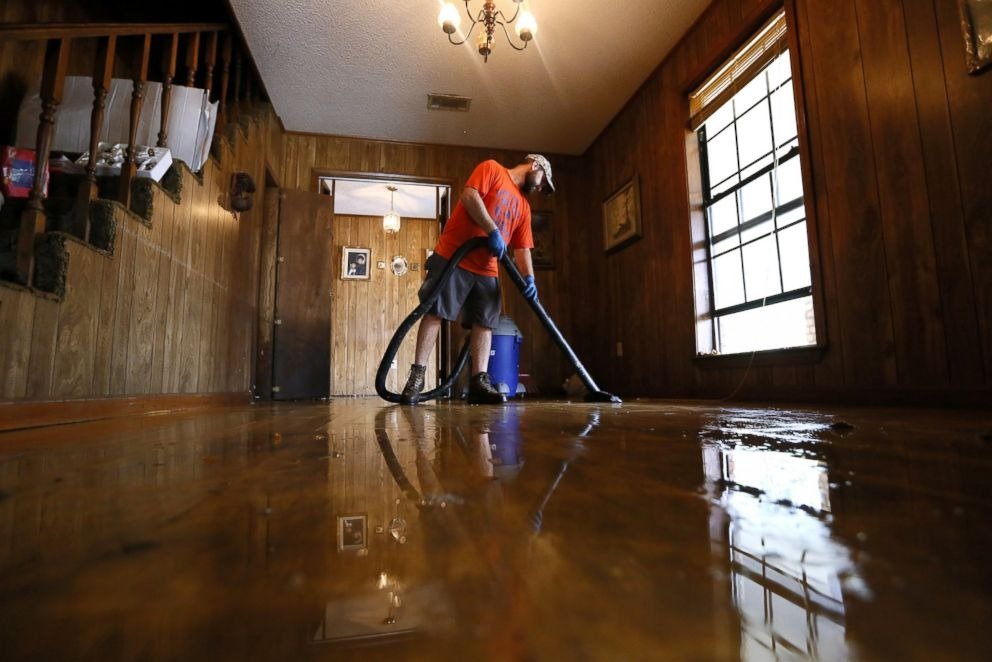
A cluttered or flooded basement can quickly become more than an inconvenience. Standing water, damaged belongings, unpleasant odors, and contaminated surfaces can affect the safety and comfort of an entire home. In Staten Island, NY, AAA Sewer & Drain recognizes that proper Basement Cleanouts & Sanitized work involves more than removing unwanted items. The space also needs careful cleaning, sanitation, and attention to the conditions that caused the problem.
What Basement Cleanouts and Sanitizing Actually Involve
A basement often serves several purposes. Some homeowners use it for storage, while others rely on it for laundry, utilities, workshops, or additional living space. Over time, these areas can collect unwanted furniture, cardboard boxes, household waste, and other materials. Water intrusion or a sewer problem can make an already cluttered space much harder to manage.
A proper cleanout begins with assessing the basement. The amount of debris, condition of stored belongings, presence of standing water, and signs of contamination all affect the work involved. Items that can be safely retained should be separated from damaged materials that need disposal.
Cleaning and sanitizing are two different steps. Cleaning removes visible dirt, waste, and organic material from surfaces. Sanitizing or disinfecting addresses harmful microorganisms using appropriate products and methods. The correct treatment depends on the contamination involved and the surface being treated.
In Staten Island, basements can face moisture problems after prolonged rainfall, especially where water enters through foundation cracks, floor drains, or below-grade openings. NYC’s Department of Environmental Protection identifies groundwater intrusion and sewer backups as separate flooding concerns.
Basement Cleanout Services should also account for the condition of the space after unwanted materials have been removed. Simply clearing the floor does not address lingering moisture, contaminated surfaces, or damaged materials that may continue producing unpleasant odors.
In many cases, the most useful result is a basement that is not only empty but also clean, dry, and ready for its intended purpose.
The Real Challenge in Staten Island Homes
Staten Island homeowners face several conditions that can contribute to basement water problems. Heavy rainfall, coastal storm activity, saturated ground, and pressure on the city’s sewer infrastructure can all affect properties with below-ground spaces.
The issue is not always a leaking pipe. During intense rainfall, stormwater can overwhelm drainage systems and contribute to sewer backups. Coastal flooding can also push tidal water into sewer systems, while groundwater may enter through foundation openings and floor drains.
This distinction matters because different water sources require different cleanup methods. Water from a clean supply line is not the same as water containing sewage. If wastewater enters a basement, surfaces and belongings may be exposed to harmful microorganisms. Protective equipment and appropriate disinfection become essential.
Why Delaying Cleanup Can Make Things Worse
Consider a typical Staten Island scenario: A homeowner notices water around the basement floor drain after a heavy rainstorm. Initially, the water appears limited to one corner, so the homeowner moves a few storage boxes and waits for it to disappear. Later, an unpleasant odor develops, and moisture becomes visible along the lower walls.
The problem may involve more than surface water. A blocked drain, sewer backup, or water entering through the foundation could be responsible. Identifying the source before completing the cleanup helps prevent the same issue from returning.
Basement water removal in Staten Island, NY should therefore involve more than pumping out visible water. The water source, possible sewage contamination, electrical hazards, and condition of the surrounding structure should be considered before work begins.
One concern homeowners often have is whether they need to discard everything stored in a flooded basement. The answer is no. Some hard, nonporous belongings may be cleaned and disinfected safely, depending on their condition and exposure. Porous materials such as soaked cardboard, damaged insulation, and contaminated upholstered furniture may need disposal. Items exposed to sewage require particularly careful evaluation.
Another important precaution is avoiding rapid pumping when a basement contains substantial floodwater. NYC Emergency Management warns that removing water too quickly can create pressure differences across foundation walls and potentially cause structural damage.
How AAA Sewer & Drain Approaches Basement Cleanup Differently
A useful cleanup process should address the entire condition of the basement rather than focus only on visible debris. For homeowners, this means understanding what needs to be removed, what can be cleaned, and what may require additional attention.
AAA Sewer & Drain’s approach to the subject of basement sanitation centers on several practical stages.
1. Initial Inspection and Condition Assessment
The first step is understanding the basement’s condition. This includes identifying standing water, accumulated waste, damaged belongings, visible staining, and signs of moisture along walls or floors.
The source of the water should also be considered. A plumbing leak, groundwater intrusion, and sewer backup can create different cleaning requirements. Where the source is unclear, a qualified plumbing or drainage professional may need to investigate further.
2. Removal of Debris and Unwanted Materials
Once the work area is assessed, unwanted materials can be separated and removed. Large furniture, broken household items, damaged cardboard, and accumulated waste should be handled according to their condition.
Keeping usable belongings separate from contaminated materials helps prevent unnecessary disposal. It also makes the remaining cleaning work easier and allows previously inaccessible areas to be inspected.
3. Cleaning and Disinfection
After debris removal, affected surfaces need appropriate cleaning. Depending on the material and contamination, this may include scrubbing, detergent-based cleaning, and the application of suitable disinfectants.
Floor drains, corners, wall bases, and other areas where waste or moisture collects deserve attention. Products should be used according to their labels, with adequate ventilation and proper protective equipment.
4. Drying and Follow-Up Checks
Removing visible water does not mean the basement is completely dry. Moisture can remain in concrete, wood, insulation, and other building materials.
This is an area that generic cleanout advice often overlooks: a basement can look clean while hidden moisture remains. Moisture meters, dehumidifiers, air movement, and follow-up inspections may help determine whether additional drying is needed.
A complete assessment should also identify whether plumbing repairs, drain maintenance, or foundation work may be necessary. Cleaning alone cannot correct an ongoing water-entry problem.
Practical Tips: What to Know Before You Decide
Before arranging a basement cleanup, homeowners should understand the condition of the space and the type of work required. A few simple checks can help avoid unnecessary costs and incomplete results.
Identify the Water Source
Look for visible signs of a plumbing leak, water entering through a foundation wall, or water emerging from a floor drain. Avoid entering standing water if electrical equipment, outlets, or wiring may be affected.
If sewage is suspected, stay out of the contaminated area and keep children and pets away. Raw sewage can expose people to harmful germs, so ordinary household cleaning may not be sufficient.
Check What Can Be Saved
Not every item needs to go into the trash. Metal shelving, plastic containers, and some hard furniture may be salvageable after suitable cleaning and disinfection. On the other hand, soaked cardboard, contaminated insulation, and porous materials can be difficult to restore safely.
In Staten Island, one practical consideration is preparing storage areas before periods of heavy rainfall. Keeping important belongings on shelving instead of directly on the basement floor can reduce losses if minor water intrusion occurs.
Ask What the Cleanup Includes
Before approving any work, ask for a clear explanation of the process. A useful estimate should identify:
- Which materials and belongings will be removed.
- Whether standing water removal is included.
- Which surfaces will be cleaned and disinfected.
- Whether drying equipment is included.
- How waste will be handled and disposed of.
- Whether additional plumbing or structural work is excluded.
Don’t Confuse a Clean Basement With a Protected Basement
A freshly cleaned basement can still experience flooding if the original cause remains unresolved. A damaged drain line, foundation crack, or sewer connection problem may require separate repair work.
Working with clients in Staten Island requires an understanding of this distinction: the visible mess is only one part of the problem. Homeowners should also consider drainage conditions, floor drains, downspout placement, and possible backwater valve protection. NYC DEP recommends discussing backwater valve installation with a plumber when evaluating flood prevention measures.
Give Your Staten Island Basement a Cleaner, Safer Start
A properly cleaned basement can provide more usable space and reduce concerns about lingering odors, moisture, and contaminated materials. The right next step is to identify the source of the problem, assess what needs removal, and establish a suitable cleaning and drying plan. For homeowners considering basement cleanouts and sanitation in Staten Island, NY, AAA Sewer & Drain is a local name to consider when discussing the condition of the space and the work required.
FAQs
1. How often should a basement be professionally cleaned?
A basement should be cleaned whenever accumulated debris, persistent odors, visible contamination, or water damage becomes a concern. Homes with frequent moisture problems may need more regular inspections. After flooding or a sewer backup, prompt professional assessment and appropriate sanitation are especially important to prevent lingering contamination and moisture-related damage.
2. How much does basement cleanout and sanitizing cost in Staten Island?
The cost depends on the basement’s size, amount of debris, water damage, contamination level, and disposal requirements. Additional drying or disinfection may increase the total. The best way to understand the price is to request an on-site assessment and an itemized estimate before approving the work.
3. How long does a basement cleanout usually take?
A small basement with limited clutter may take several hours to clear and clean. Larger spaces with heavy furniture, accumulated waste, or water damage can require multiple days. Drying and sanitation may extend the process, particularly when porous building materials have absorbed moisture or sewage contamination is present.
4. How do I know if a basement cleaning company is trustworthy?
Check the company’s established business information, customer reviews, insurance coverage, and experience with the type of cleanup required. Ask for a written estimate explaining removal, cleaning, disinfection, and disposal. A trustworthy provider should clearly explain what is included, what requires additional work, and any limitations.
5. Can a flooded basement be cleaned and sanitized without replacing everything?
Yes. Many hard, nonporous materials can be cleaned and disinfected if they remain structurally sound. However, soaked drywall, insulation, carpeting, and sewage-contaminated porous belongings may need replacement. The decision depends on the water source, exposure time, material condition, and whether proper drying is possible.