Crooked teeth, gaps between teeth, or difficulty keeping your teeth clean can affect both your smile and your daily comfort. If you are considering teeth straightening, dental braces may be an option worth exploring. Modern orthodontic treatment offers different ways to improve tooth alignment, depending on your dental condition, age, and treatment goals.
If you are searching for dental braces in pune, understanding the available options, treatment process, expected duration, and cost factors can help you prepare for your consultation. At Diagnopein Dental Care, patients can explore dental care options and seek professional guidance to understand which treatment may be suitable for their needs.
What Are Dental Braces?
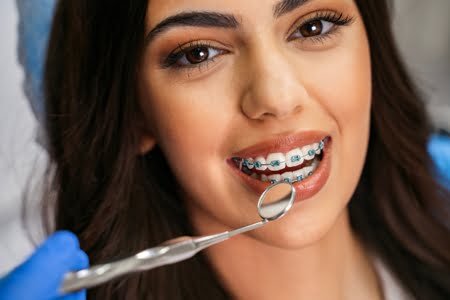
Dental braces are orthodontic devices used to gradually move teeth into better positions. They apply gentle, controlled pressure over time to improve the alignment of teeth and how the upper and lower teeth meet when you bite.
Braces may be recommended for children, teenagers, and adults with different alignment concerns. Treatment planning depends on the position of the teeth, jaw alignment, gum health, and overall oral health.
Common Dental Problems Braces Can Address
A qualified dentist or orthodontist may recommend braces for concerns such as:
- Crooked teeth: Teeth that overlap or grow at different angles.
- Crowded teeth: Not enough space for teeth to fit properly.
- Gaps between teeth: Noticeable spaces between neighbouring teeth.
- Overbite or underbite: The upper or lower teeth extend too far beyond the other set.
- Crossbite: Some upper teeth sit inside the lower teeth when biting.
- Difficulty cleaning teeth: Crowding or overlapping that makes brushing and flossing more challenging.
Not every alignment concern requires braces. A dental professional can assess your teeth and explain the available treatment options.
Types of Dental Braces Available
Different types of braces offer different features. The right option depends on your dental needs, lifestyle, budget, and the complexity of the correction required.
1. Metal Braces
Traditional metal braces use small brackets attached to the teeth and connected by a wire. The wire is adjusted during follow-up appointments to guide tooth movement.
They are commonly used for a wide range of alignment concerns and may be suitable for patients who need more comprehensive correction.
2. Ceramic Braces
Ceramic braces work similarly to metal braces but use tooth-coloured or less noticeable brackets. They may appeal to adults and teenagers who prefer a more discreet appearance.
Their care requirements and suitability should be discussed with your dental professional.
3. Lingual Braces
Lingual braces are fitted to the inner surfaces of the teeth, making them less visible from the front. However, they may not suit every case and can require an adjustment period for speaking and eating.
4. Clear Aligners
Clear aligners are removable, transparent trays that gradually move teeth. They are not traditional braces, but they are another option for teeth straightening.
Aligners need to be worn according to the prescribed schedule. Their suitability depends on the complexity of the alignment problem and the patient’s ability to follow the treatment plan.
How Does the Dental Braces Treatment Process Work?
Understanding each stage can help you feel more prepared before starting orthodontic treatment.
Step 1: Dental Consultation
The dentist or orthodontist examines your teeth, gums, bite, and jaw alignment. They may recommend dental X-rays, photographs, or other records when needed to plan treatment.
Step 2: Treatment Planning
After evaluating your oral health, the dental professional discusses suitable options, expected treatment duration, costs, and any preparatory dental work that may be required.
Step 3: Placement of Braces
If braces are recommended, brackets are attached to the teeth and connected with a wire. The process is generally completed during a dental appointment. Your dentist will explain what to expect and how to care for your teeth afterwards.
Step 4: Regular Follow-Up Visits
Periodic appointments allow the dental professional to monitor progress and make necessary adjustments. You may experience temporary pressure or soreness after placement or adjustments.
Step 5: Retainers After Treatment
Once the braces are removed, retainers are usually recommended to help keep the teeth in their new positions. Following the prescribed retainer schedule is an important part of maintaining the treatment outcome.
How Long Does Dental Braces Treatment Take?
The duration of orthodontic treatment varies from person to person. Some cases may take around 12 months, while others may require two years or longer.
Factors that influence treatment duration include:
- The severity of tooth crowding or spacing.
- The type of bite problem being corrected.
- The treatment method selected.
- How consistently the patient follows instructions.
- Attendance at scheduled appointments.
- Individual tooth movement and response to treatment.
Your dentist or orthodontist can provide a more realistic estimate after examining your teeth. The actual duration may change as treatment progresses.
What Are the Benefits of Dental Braces?
Braces are used primarily to improve tooth alignment and bite relationships. Depending on the individual’s condition, treatment may offer several benefits:
- Improved alignment: Helps position crowded, overlapping, or uneven teeth.
- Better bite function: May improve how the upper and lower teeth meet.
- Easier oral hygiene: Properly aligned teeth may be easier to brush and floss.
- Support for oral health: Correcting certain alignment issues may help reduce areas where food and plaque collect.
- Greater comfort in some cases: Treating specific bite problems may help address certain difficulties with chewing.
- Smile confidence: Some patients feel more comfortable with their smile after treatment.
Results vary, and braces do not replace regular dental check-ups, brushing, flossing, or other preventive care.
How to Care for Your Teeth During Braces Treatment
Good oral hygiene is essential throughout orthodontic treatment. Food can get trapped around brackets and wires, increasing the risk of plaque buildup, cavities, and gum problems.
Follow these practical tips:
- Brush carefully: Brush after meals whenever possible, paying attention to the areas around brackets and along the gumline.
- Clean between teeth: Use dental floss with an appropriate threading aid or an interdental brush as recommended by your dentist.
- Choose braces-friendly foods: Cut hard fruits into smaller pieces and avoid biting directly into hard foods. Sticky sweets and chewing gum may also cause problems.
- Attend follow-up appointments: Regular visits help your dentist monitor tooth movement and address loose brackets or other concerns.
- Wear retainers as instructed: After treatment, follow your dental professional’s advice about retainer use.
If a wire becomes loose, a bracket breaks, or you develop persistent pain or swelling, contact your dental clinic for advice.
What Is the Cost of Dental Braces in Pune?
The cost of dental braces in Pune varies depending on the treatment required. It is best to obtain an individual estimate after a dental examination rather than relying on a single advertised price.
Several factors can affect the total cost:
- Type of braces: Metal, ceramic, and lingual braces may have different costs.
- Complexity of the case: More complicated alignment or bite problems may require additional treatment.
- Treatment duration: The number of visits and adjustments can influence the overall expense.
- Preparatory procedures: Professional cleaning, cavity treatment, or other dental procedures may be needed before braces are fitted.
- Follow-up and retainers: Ask whether adjustments, retainers, and post-treatment visits are included in the quoted fee.
Before starting treatment, request a clear breakdown of the charges and ask about payment options, if available.