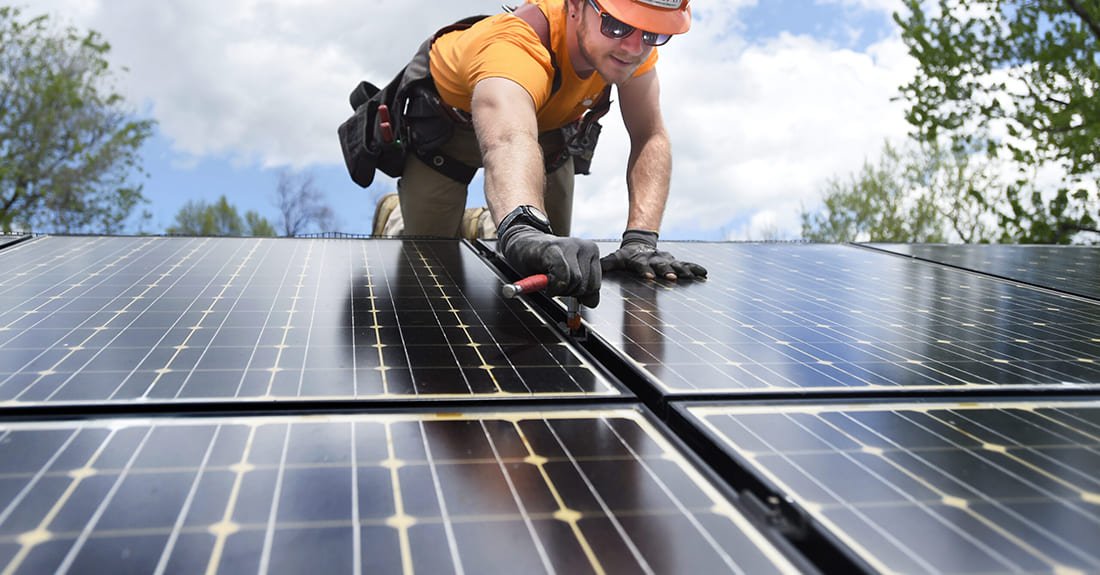
A solar system can look perfectly fine from the ground while producing less electricity than it should. A warning light on the inverter, a sudden production drop, or a monitoring app showing no output can leave a homeowner wondering if the entire system needs replacement. Quality Power Solutions approaches these situations by starting with the actual fault rather than assuming every problem requires new equipment.
For Downey property owners, solar repair services can involve anything from inverter troubleshooting and electrical connections to damaged wiring, failed components, monitoring problems, or equipment affected by years of heat and outdoor exposure.
What Solar Repair Actually Involves
A system showing reduced production does not automatically mean the panels have failed. A tripped breaker, inverter fault, loose connection, damaged conductor, communication issue, or utility-side condition can create similar symptoms. A proper diagnosis helps separate those possibilities before money is spent on replacement equipment.
In Downey, we’ve noticed that most homeowners first notice a problem through their monitoring application or a change in their electricity bill. The first instinct is often to blame the panels, but production data needs to be compared with the system’s historical performance and current operating conditions.
For a typical residential system, a technician may inspect the inverter display, check AC and DC connections, examine disconnects and breakers, review monitoring data, and look for physical damage. Electrical testing can then help determine whether the issue is isolated to one component or connected to a larger system problem.
Homeowners may also need help with aging equipment. Older inverters, discontinued components, or systems installed by companies that no longer service the area can create a different repair challenge. A qualified technician should be able to identify what can be repaired, what needs replacement, and whether compatible equipment is still available.
Solar repair is the process of finding and correcting problems that prevent a photovoltaic system from producing or safely delivering electricity. The panels themselves are only one part of that system. Inverters, disconnects, breakers, conductors, monitoring equipment, racking, connectors, and the home’s electrical service all play a role.
The Real Solar Challenge in Downey
Downey’s Southern California climate gives solar equipment plenty of sunlight, but that same outdoor exposure means equipment spends years dealing with heat, dust, temperature changes, and weather. Roof conditions can also affect access and inspection, particularly on older homes where roofing work and solar equipment may overlap.
Another challenge is determining whether poor production is actually an equipment problem. Solar owners sometimes see a lower monthly output and immediately assume something has failed. Seasonal sunlight changes, shade from growing trees, roof obstructions, inverter behavior, and monitoring interruptions can all affect the numbers.
A client in Downey reached out after noticing that the monitoring app showed little production for several days. The panels looked normal from the ground, so replacing them would have been premature. Testing instead focused on the inverter, electrical connections, and system communication before deciding what repair was actually needed.
That diagnostic step addresses a common objection: Why pay for an inspection if I already know my solar system is broken? Because the visible symptom does not always identify the failed component. Paying for the right diagnosis can prevent an unnecessary panel or inverter replacement.
A related question that many service pages avoid is whether a system can be repaired if the original installer is unavailable. In many cases, another qualified solar or electrical professional can inspect an existing installation, although compatibility, equipment condition, warranties, and code requirements must be reviewed first. Local providers advertise repair work on systems installed by other companies, showing that this is a common service need in the Downey market.
How Quality Power Solutions Approaches the Work Differently
Quality Power Solutions can approach a solar repair project by separating diagnosis from replacement. That distinction matters because replacing equipment before identifying the cause can leave the original problem unresolved.
A practical service visit should begin with questions about the system’s history. When did production change? Did the inverter display an error? Was there recent electrical or roofing work? Did monitoring stop at the same time as production? Answers like these can narrow the diagnostic path.
The physical inspection can then cover:
- Solar inverter operation and fault codes
- AC and DC disconnects
- Breakers and electrical connections
- Visible wiring and conduit
- Panel connections and connectors
- Monitoring equipment and communications
- Signs of heat, corrosion, water intrusion, or physical damage
- System shutdown or safety conditions
- Compatibility of replacement components
The unique insight here is that system data should be treated as evidence, not simply as a dashboard reading. A monitoring application can tell you that production changed, but it cannot always explain why. Comparing current output with historical data and physical test results gives a much clearer picture.
Local permitting can also matter. The City of Downey states that permits generally apply to alterations and repairs to existing buildings, while residential solar permits can be handled through its online process and SolarAPP+ for eligible projects. That means homeowners should ask whether proposed repair or replacement work requires permitting before work begins.
Another useful point is that solar repair does not necessarily mean panel replacement Downey CA . A failed inverter, damaged disconnect, wiring problem, or monitoring component may be the actual issue. Current Downey-area service providers specifically describe troubleshooting inverter faults, breakers, disconnects, conductors, monitoring issues, and replacement planning as separate parts of solar repair work.
Practical Tips: What to Know Before You Decide
Working with clients in Downey, our team found that homeowners often have better service conversations after gathering a few basic details before the technician arrives.
Start with the inverter. Write down the manufacturer, model, visible error code, and any message appearing on the screen. If the system uses a monitoring application, take screenshots showing the production problem. Do not open electrical equipment or attempt to reset components you are not qualified to handle.
Next, check whether the issue is limited to solar production. If the home has normal utility power but solar output has dropped, the problem may be isolated to the photovoltaic system. If breakers are repeatedly tripping, there is a burning smell, visible damage, sparking, or another electrical safety concern, avoid attempting a DIY repair.
For solar services for home projects, homeowners should also ask whether roof access is required and whether the existing roof condition could affect the work. Solar equipment and roofing are closely connected physically, so a repair may expose an issue that is unrelated to the electrical fault itself.
Commercial properties deserve additional planning. Solar services for office buildings may involve larger systems, more complex electrical equipment, multiple service areas, and greater consequences from production downtime. A commercial assessment should account for operating schedules, equipment access, and electrical capacity.
When comparing contractors, do not judge the service only by the phrase “best solar services near me.” Ask specific questions instead:
- What testing will be performed before replacement is recommended?
- Can you service equipment installed by another company?
- Will you document the fault and proposed repair?
- Are permits required for the planned work?
- Will replacement parts remain compatible with the existing system?
- What happens if the original equipment is discontinued?
- Does the estimate separate diagnostic, labor, and material costs?
A written explanation is especially useful if an inverter or other major component needs replacement. The homeowner should know whether the part failed, why it failed if that can be established, and whether repairing one component is likely to restore normal operation.
Downey’s permitting information also lists residential solar permits as eligible for online processing through SolarAPP+, which can help homeowners understand the local administrative process for qualifying projects.
Restore the System Before Replacing It
A solar system that stops performing does not always need to be replaced from the ground up. Careful testing can identify whether the problem lies with the inverter, wiring, disconnects, monitoring, panels, or another component. For homeowners considering solar repair services in Downey, Quality Power Solutions can provide a starting point for evaluating the system and deciding what work is actually justified. A useful next step is to gather the inverter information and production records before scheduling an assessment.
- FAQs
1. How much do solar repair services cost in Downey?
Solar repair pricing depends on the problem, system size, equipment age, diagnostic time, replacement parts, roof access, and electrical work involved. A monitoring issue may require little physical repair, while a failed inverter can cost considerably more. Ask for a diagnostic fee and an itemized estimate before approving replacement work.
2. Can an existing solar system be repaired instead of replaced?
Yes, many solar problems can be repaired without replacing the entire system. Faults involving inverters, breakers, disconnects, wiring, connectors, or monitoring equipment may be isolated to individual components. The technician should test the system first and explain whether repair, component replacement, or a larger upgrade makes practical sense.
3. How do I know a solar repair company is legitimate?
Check the contractor’s California license status, insurance, written estimate, service history, and ability to explain the proposed repair. Ask who will perform electrical work and whether permits are required. You can also verify California contractor licensing through the state’s official licensing system rather than relying only on online reviews.
4. What should I do if my solar panels suddenly stop producing power?
Check your monitoring app and inverter display for error messages, but avoid opening electrical equipment yourself. Record the fault code, production history, and timing of the problem. A sudden drop can come from several sources, including the inverter, electrical connections, monitoring system, or utility conditions, so testing should come before replacement.
5. Can solar repair be done on a system installed by another company?
Often, yes. A qualified technician may be able to inspect and repair an existing system even if the original installer is no longer available. Compatibility, equipment condition, manufacturer requirements, warranties, and local electrical rules should be reviewed first. Having the original installation records and equipment information can make diagnosis easier.