Mold growth inside a home can develop gradually, often starting in areas where moisture accumulates and ventilation is limited. Homeowners may not immediately recognize the problem because mold can grow behind walls, underneath flooring, around plumbing fixtures, and in other hidden spaces. Identifying the early warning signs can help prevent further property damage and reduce the risk of ongoing indoor air quality problems.
For homeowners in Yonkers and throughout Westchester County, recognizing the conditions that encourage mold growth is particularly important, especially after heavy rainfall, plumbing leaks, basement flooding, or periods of high indoor humidity.
Look for Visible Mold Spots and Discoloration
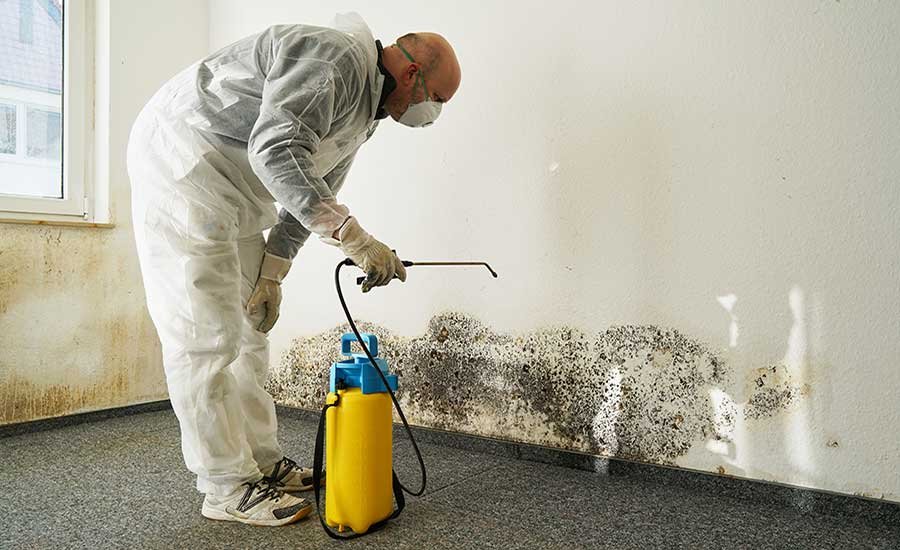
One of the most recognizable signs of mold growth is the appearance of unusual spots or discoloration on household surfaces. Mold may appear black, green, gray, brown, or white, depending on the type and surface where it develops.
Homeowners should pay attention to areas such as bathroom ceilings, basement walls, window frames, drywall, and areas surrounding sinks. Even small patches may indicate an underlying moisture problem that needs further investigation.
It is important not to disturb suspected mold unnecessarily, as doing so can release spores into the surrounding air.
Pay Attention to Persistent Musty Odors
A persistent musty or earthy smell can indicate mold growth, even when no visible patches are present. These odors commonly develop when mold grows in concealed spaces such as wall cavities, beneath carpets, inside cabinets, or around plumbing systems.
If a room continues to smell damp despite regular cleaning and ventilation, homeowners should investigate possible sources of moisture. Masking the odor with air fresheners will not resolve the underlying problem.
Check for Water Stains on Walls and Ceilings
Water stains can be an early warning sign of moisture conditions that support mold development. Yellowish or brown discoloration, peeling paint, bubbling drywall, and damaged ceiling materials may indicate previous or ongoing water intrusion.
Common causes include leaking roofs, damaged plumbing connections, condensation, and water entering through basement foundations.
Homeowners should address the source of the moisture promptly rather than simply painting over stained areas.
Monitor Bathrooms, Kitchens, and Other Humid Areas
Bathrooms and kitchens are particularly vulnerable to mold because these spaces regularly experience moisture from showers, cooking, washing, and plumbing activities.
Homeowners should inspect areas around bathtubs, shower enclosures, kitchen sinks, backsplashes, and ventilation fans. Condensation that repeatedly collects on windows and walls can also create favorable conditions for mold growth.
Using exhaust fans, repairing plumbing leaks, and improving ventilation can help reduce excess moisture.
Inspect Basements and Crawl Spaces for Dampness
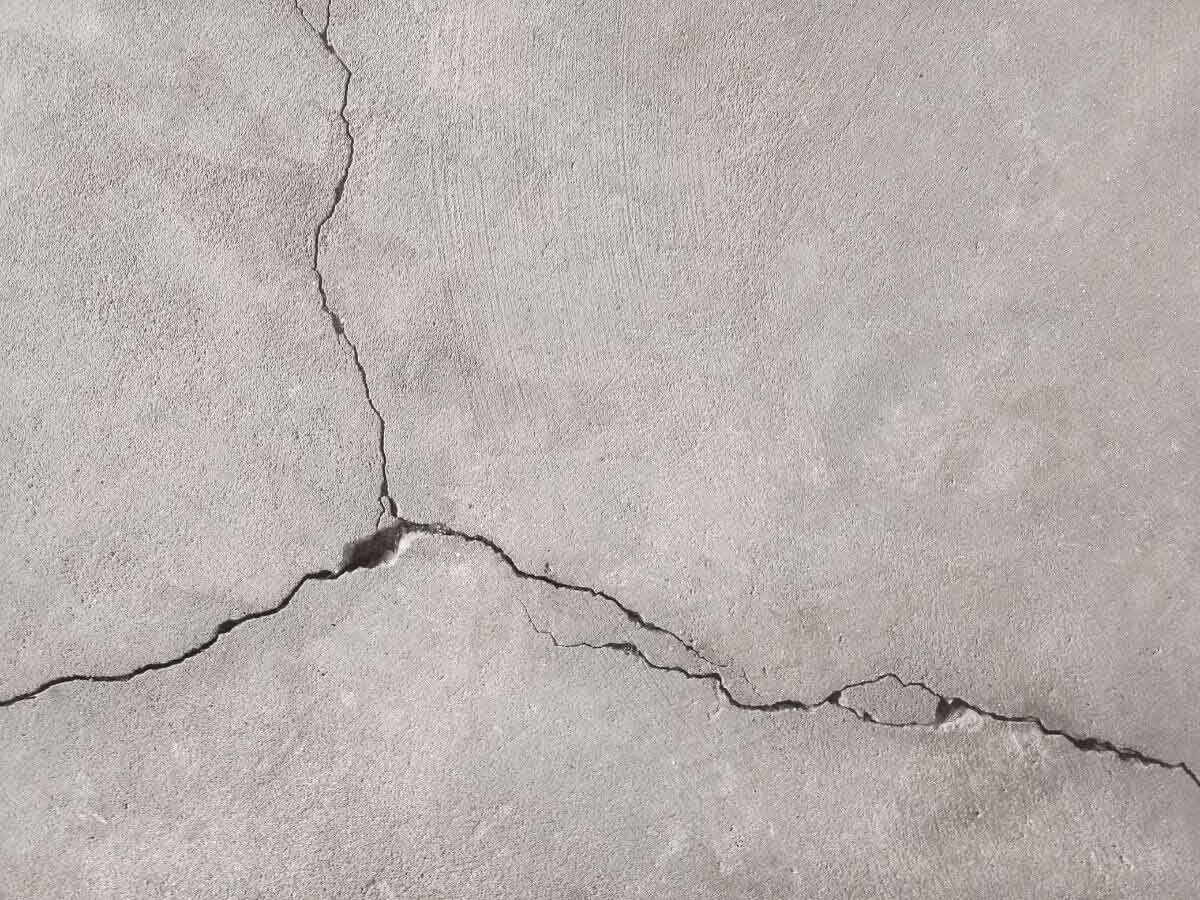
Basements and crawl spaces are common locations for moisture-related problems, especially in properties with foundation cracks, poor drainage, or inadequate ventilation.
Signs to watch for include damp concrete walls, condensation on pipes, water stains, peeling paint, musty odors, and visible fungal growth.
Homeowners in Yonkers and surrounding Westchester communities should pay particular attention to basements after heavy rainfall. Water entering through foundation walls or basement windows can create conditions that allow mold to develop.
Watch for Changes in Indoor Air Quality
Unusual indoor odors, persistent dampness, and visible moisture problems can indicate that indoor conditions need attention. Some occupants may also experience irritation or allergy-like symptoms in damp buildings, although these symptoms alone cannot confirm the presence of mold.
If homeowners notice recurring indoor air quality concerns alongside signs of moisture damage, a professional inspection can help determine whether mold is present and identify the source of the problem.
Check Behind Furniture and Stored Household Items
Mold does not always develop in open or easily visible locations. Furniture placed directly against exterior walls can restrict airflow, allowing condensation and moisture to accumulate behind it.
Closets, storage rooms, cardboard boxes, and areas containing stored fabrics can also become vulnerable when humidity levels remain elevated.
Periodically checking these spaces and allowing adequate airflow can help homeowners identify moisture problems before they become more extensive.
Why Early Mold Detection Matters
Recognizing mold warning signs early can help homeowners address moisture problems before they lead to more extensive damage. Ignoring damp materials, recurring leaks, or visible mold growth may allow the affected areas to expand and make remediation more complicated.
The most important step is identifying and correcting the moisture source. Simply cleaning visible mold without addressing the underlying water problem may allow it to return.
When mold growth covers a substantial area, keeps returning, or involves hidden building materials, professional assessment and remediation may be necessary. Homeowners should avoid disturbing larger affected areas and seek appropriate professional assistance.
Professional Mold Removal and Remediation in Yonkers, Westchester
Identifying the early signs of mold growth is an important part of protecting residential properties. From musty odors and water stains to hidden moisture behind walls, recognizing these warning signs can help homeowners take action before mold problems become more extensive.
For homeowners and property owners seeking professional assistance, Wil’s Disinfecting Services, LLC provides mold removal and remediation services in Yonkers and throughout Westchester County. Addressing moisture-related concerns and properly assessing affected areas can help homeowners take the appropriate steps toward a cleaner and healthier indoor environment.