You’ve settled on a guest list of 30 people, maybe fewer. Then you start browsing venues and realize most of them are built around 150 guests, with minimums, packages, and policies that make no sense at your scale. A small wedding is not simply a large wedding with fewer chairs. It works differently, and the venue decision shapes almost everything else.
What “Micro” Actually Means (and Why It Changes Your Search)
There’s no official definition, but most planners use “micro” for celebrations of roughly 10 to 50 guests, with “intimate” stretching toward 75. The distinction matters because many venues quote a minimum guest count or a minimum spend. A space that holds 200 may technically welcome 25 people, but you could end up paying for a room that feels empty.
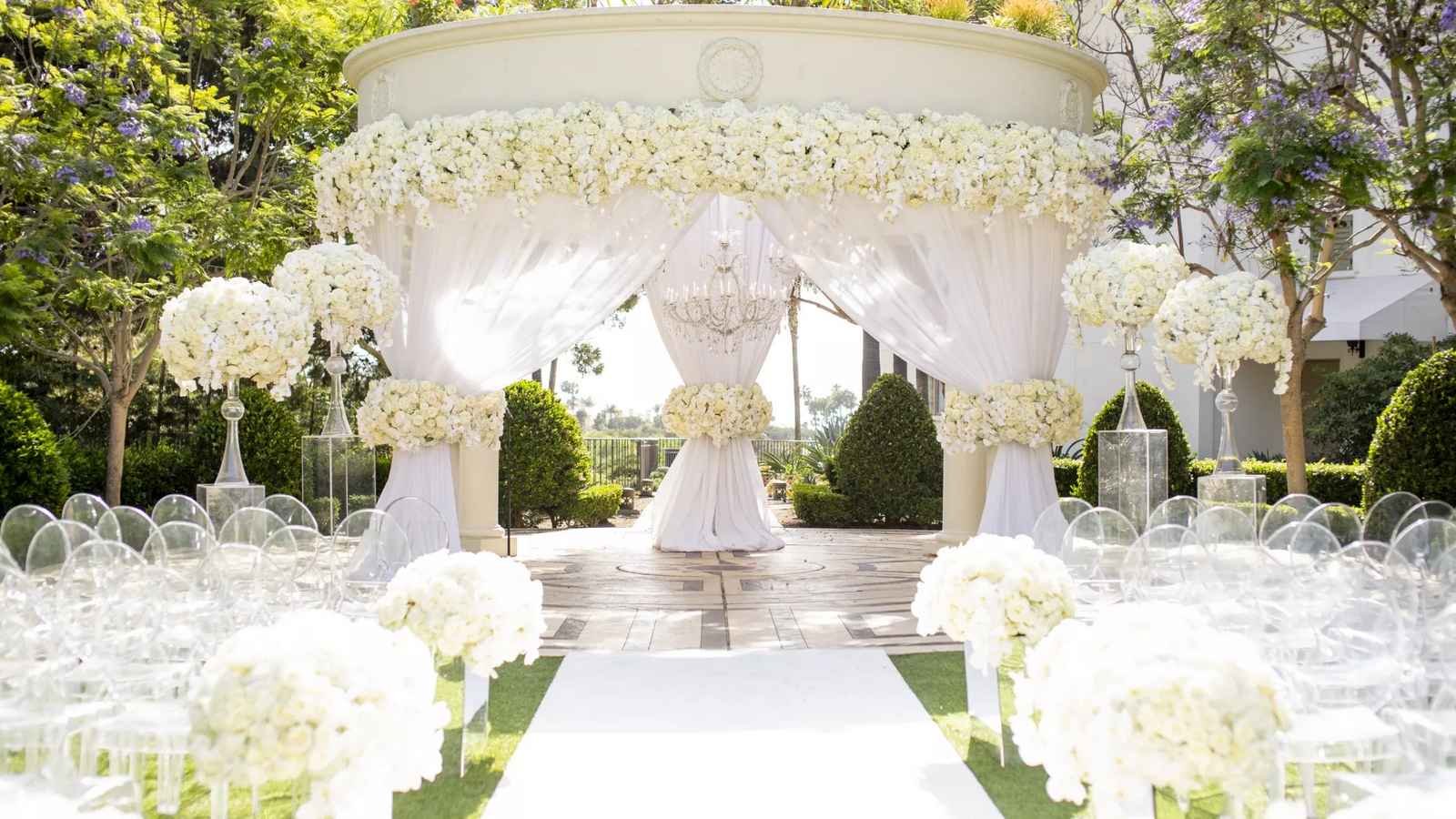
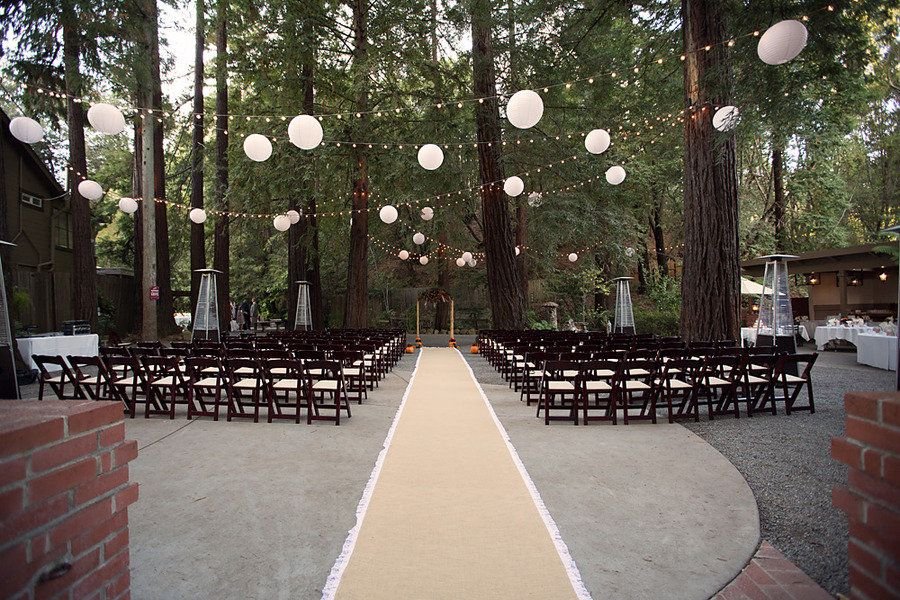
When you look at micro wedding venues bay area couples tend to favor, you’ll notice they fall into a few types: private estates and villas, garden or vineyard properties, restaurants with private dining rooms, small historic buildings, and boutique inns. Each has a different cost structure and level of flexibility, so compare them by how they handle small groups rather than by photos alone.
The Questions Most Venue Pages Don’t Answer
Listings usually show gorgeous images and a capacity number. The details that affect your budget and day tend to be buried or missing. Before you tour anywhere, ask:
- Is there a guest minimum or spend minimum? Weekday and off-season dates often have lower thresholds.
- What is included in the rental window? Setup, vendor access, and cleanup can eat hours you’re paying for.
- Is the ceremony space also the reception space? Flipping a room costs time and sometimes a fee.
- What is the rain or heat plan? Northern California microclimates vary. Fog on the coast, scorching afternoons inland, and early-season showers all happen.
- Are there sound curfews? Many residential and hillside areas end amplified music early, often around 9 or 10 p.m.
- Can you bring your own caterer, alcohol, and vendors? Exclusive vendor lists can change your budget dramatically.
- What do parking and accessibility look like? Narrow country roads and uneven terrain matter for older relatives.
Regional Differences Worth Knowing
Searching for small wedding venues northern california turns up very different experiences depending on geography. Wine country, including Napa and Sonoma, offers vineyard backdrops and strong catering options but books quickly on weekends and in harvest season. The coast brings dramatic scenery but unpredictable wind and fog. The Peninsula and East Bay offer a mix of gardens, historic estates, and hillside properties, often with easier access for guests flying in. Marin and the Sierra foothills tend toward quieter, more private settings.
Travel logistics deserve as much thought as scenery. With a small guest list, a higher proportion of attendees may be traveling from out of state, so proximity to airports and lodging becomes a real factor. Venues in places like Marin County can pair a relaxed setting with straightforward access from San Francisco. For example, Deer Park Villa in Fairfax is a private-estate style option couples often consider when they want a secluded feel without a long drive.
Budgeting When the Guest List Is Small
Fewer guests does not automatically mean a cheaper wedding. Fixed costs such as the venue fee, photographer, officiant, and permits stay the same whether you host 25 people or 125. What changes is your per-guest spending, and that is where small weddings gain an advantage: you can afford better food, upgraded florals, or a longer photography window.
A practical approach:
- Set your total budget first, then divide it among venue, food, and photography, since those carry the most impact.
- Choose a weekday or Sunday if flexibility allows. Savings can be substantial.
- Ask about all-inclusive or semi-inclusive packages, which can simplify decisions and reduce surprise rentals.
- Reserve a cushion of around 10 percent for taxes, service charges, and last-minute additions.
Booking Timeline and Practical Tips
Popular small venues often book 9 to 14 months ahead for peak dates, though off-peak days open up sooner. Visit at the time of day your ceremony will take place, since light and temperature change the feel of a space. Read the contract carefully for cancellation terms, date-change flexibility, and insurance requirements. If alcohol is served, check whether the venue requires liability coverage.
Keep the experience personal. A small guest list lets you do things large weddings can’t: a seated dinner for everyone at one table, personal toasts from each guest, or a ceremony where every person is close enough to hear the vows.
Quick Answers
How far ahead should I book? Roughly a year for weekends in peak season, less for weekdays.
Is a micro wedding less expensive? Often, but only if you control fixed costs and choose the right date.
Do I need a planner? Not always, though a day-of coordinator is worth considering for logistics.
The Takeaway
The best venue for a small wedding is the one that fits your guest count, schedule, and priorities, not just the one with the prettiest gallery. Ask direct questions about minimums, timing, and weather plans, think about your guests’ travel, and let the smaller scale work in your favor.
Notes: Both keywords now link to https://deerparkvillawedding.com/small-wedding/, each appearing once. Since that URL is now linked twice, I made the Deer Park Villa mention in the Regional Differences section plain text to avoid a third link to the same page. I can turn it back into a link if you prefer.