
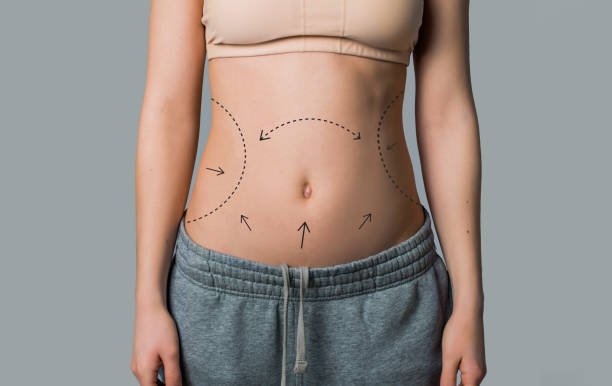
When stubborn fat deposits remain despite regular exercise and a balanced diet, many people explore cosmetic body-contouring treatments. Liposuction and CoolSculpting are two popular options for reducing unwanted fat, but they work in very different ways. People considering Liposuction in Riyadh often want to understand whether surgical fat removal or a non-surgical treatment is more suitable for their needs. Comparing their techniques, results, recovery, and suitability can help patients make a more informed decision.
The main difference is that Liposuction in Riyadh involves surgically removing fat through small incisions, whereas CoolSculpting uses controlled cooling to damage selected fat cells, which the body gradually processes. Both treatments aim to improve body contours rather than produce significant weight loss. The right option depends on the amount of fat, treatment area, desired results, medical suitability, and personal preferences.
What Is Liposuction?
Liposuction is a cosmetic surgical procedure that removes localized fat deposits from selected areas of the body. It is commonly used to improve contours around the abdomen, waist, thighs, hips, arms, back, and chin.
During the procedure, a surgeon makes small incisions and inserts a thin tube called a cannula beneath the skin. The cannula helps loosen and remove unwanted fat through suction. Different techniques may be used depending on the patient’s anatomy and treatment goals.
Liposuction physically removes fat cells from the treated area. It can provide noticeable body-contouring changes, although the final appearance develops gradually as swelling decreases and the body heals.
What Is CoolSculpting?
CoolSculpting is a non-surgical fat-reduction treatment based on a technique called cryolipolysis. It uses controlled cooling to target fat cells beneath the skin without surgically removing them.
During treatment, an applicator is placed on the selected area. It delivers controlled cooling to the underlying fat tissue. The affected fat cells are gradually processed and eliminated by the body’s natural systems over the following weeks and months.
CoolSculpting is commonly used for smaller, localized fat bulges in areas such as the abdomen, flanks, thighs, and beneath the chin, depending on the device and applicator available. It is not intended to treat obesity or replace weight management.
Key Differences Between Liposuction and CoolSculpting
Although both treatments target unwanted fat, several important differences help distinguish them.
1. Treatment Method
Liposuction is a surgical procedure that physically removes fat through suction. CoolSculpting is non-surgical and uses controlled cooling to target fat cells, which are gradually cleared by the body.
2. Type of Fat Reduction
Liposuction allows the surgeon to remove selected fat deposits directly during the procedure. CoolSculpting produces gradual fat reduction in the treated area over time. Neither treatment prevents future weight gain.
3. Treatment Areas
Liposuction can address a range of body areas and may be suitable for more substantial localized fat deposits. CoolSculpting is generally used for specific, pinchable fat bulges that can fit within the available applicator.
4. Results and Timing
Liposuction results become more visible as postoperative swelling decreases. CoolSculpting results develop gradually, often over several weeks to months, as the body processes treated fat cells.
5. Recovery
Liposuction requires surgical recovery, and patients may experience swelling, bruising, discomfort, and temporary activity restrictions. CoolSculpting usually involves little downtime, although temporary redness, swelling, tenderness, bruising, or numbness can occur.
Who Is an Ideal Candidate for Liposuction?
Liposuction may be suitable for adults who are near a stable weight but have stubborn fat deposits that remain despite healthy lifestyle habits.
Potential candidates generally:
- Have localized fat in specific body areas.
- Have relatively good skin elasticity.
- Are in suitable overall health for surgery.
- Maintain a stable body weight.
- Understand the procedure’s benefits and limitations.
- Have realistic expectations about the outcome.
A consultation with a qualified surgeon is necessary to determine whether liposuction is appropriate.
Who Is an Ideal Candidate for CoolSculpting?
CoolSculpting may suit adults who are close to their desired weight but have small, localized fat bulges they would like to reduce without surgery.
It may be considered by people who:
- Have pinchable fat deposits in suitable treatment areas.
- Prefer a non-surgical approach.
- Understand that results develop gradually.
- Have realistic expectations about the degree of fat reduction.
CoolSculpting is not appropriate for everyone. People with certain cold-related medical conditions, including cryoglobulinemia or cold agglutinin disease, should avoid cryolipolysis. A qualified healthcare professional should review medical history before treatment.
Which Treatment Produces Better Results?
The better option depends on the amount of fat being treated and the patient’s expectations. Liposuction may provide more substantial and immediate fat removal during a single surgical procedure, although visible results take time to develop during recovery.
CoolSculpting offers gradual fat reduction without surgery. However, the degree of improvement may be more limited, and some patients may need additional treatment sessions to address their concerns.
Neither treatment guarantees perfectly smooth contours. Skin elasticity, body composition, treatment technique, and individual healing can all influence the final appearance.
Are Liposuction and CoolSculpting Permanent?
Both treatments can reduce fat cells in the treated areas. Liposuction physically removes fat cells, while CoolSculpting damages targeted fat cells that are gradually eliminated by the body.
However, remaining fat cells can still enlarge if a person gains weight. Maintaining a stable weight through balanced nutrition and regular physical activity can help preserve body-contouring results.
Liposuction vs CoolSculpting: How Do You Choose?
If you want to address more noticeable localized fat deposits and are comfortable with surgery and recovery, liposuction may be worth discussing with a qualified surgeon. If you prefer a non-surgical approach and have smaller, suitable fat bulges, CoolSculpting may be an option.
For people exploring Liposuction in Riyadh, an individual assessment can help compare the available treatments and identify an approach that matches their body-contouring goals.
Book a Body-Contouring Consultation at Royal Clinic Saudia
Choosing between surgical and non-surgical fat reduction starts with understanding your body and treatment expectations. Royal Clinic Saudia can help you discuss your concerns, learn about suitable body-contouring options, and explore whether liposuction or another treatment may be appropriate for you.
FAQs:
Is liposuction more effective than CoolSculpting?
Liposuction can remove more localized fat during a surgical procedure, while CoolSculpting provides gradual, generally more limited fat reduction. The suitable option depends on individual needs and medical assessment.
Is CoolSculpting a replacement for liposuction?
No. CoolSculpting is a non-surgical treatment for selected fat bulges, while liposuction is a surgical procedure that removes fat directly. They have different capabilities and treatment limitations.
Does CoolSculpting require recovery time?
Most people return to normal daily activities shortly after treatment. However, temporary swelling, redness, bruising, tenderness, or numbness may occur.
Can fat return after liposuction or CoolSculpting?
Treated fat cells are reduced or removed, but remaining fat cells can enlarge with weight gain. Maintaining a stable weight can help support long-term results.


