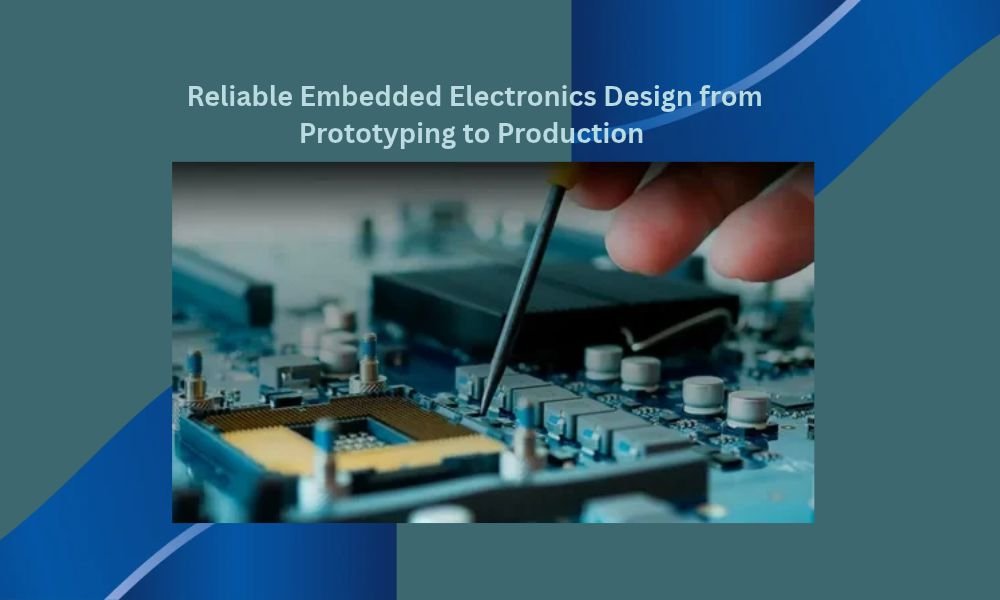
Electronic products are now a part of our everyday lives. From smart home devices and medical equipment to industrial machines and security systems, electronics help businesses and people complete different tasks more easily. Behind these products, embedded electronics play an important role in making devices work properly, safely, and efficiently.
In this article, we will explore how embedded electronics design works, why prototyping is important, and how businesses can move from an early product idea to successful production.
What Is Embedded Electronics Design?
Embedded electronics design is the process of creating electronic systems that perform specific tasks inside a product or machine. These systems usually embedded hardware design services include electronic circuits, processors, sensors, and other components that work together.
Unlike general-purpose computers, embedded systems are designed to perform particular functions. For example, a smart thermostat uses embedded electronics to read temperature, process information, and control heating or cooling.
How Do Embedded Electronic Systems Work?
An embedded electronic system receives information from its surroundings, processes that information, and performs a required action.
Most embedded systems include the following parts:
- Microcontrollers: Small computer chips that control different functions.
- Sensors: Components that collect information such as temperature, pressure, or movement.
- Circuit Boards: Boards that connect electronic components and allow them to work together.
- Power Supply: Provides the electrical energy needed to run the device.
- Communication Modules: Help devices exchange information with other systems.
All these parts work together to make an electronic product perform its intended function.
Why Reliable Electronics Design Matters for Modern Products

A product may look good from the outside, but its internal electronic design decides how well it performs. Poor design can lead to overheating, power problems, signal issues, or unexpected failures.
Reliable electronics design helps businesses build products that work properly under different conditions.
Better Product Performance
A properly designed electronic system helps devices perform their tasks without unnecessary delays or interruptions. Selecting suitable components and creating a well-planned circuit can improve overall performance.
For example, industrial equipment needs reliable electronic controls to operate machines and monitor important activities.
Improved Product Safety
Safety is an important part of electronic product development. Electrical faults, overheating, and incorrect power handling can damage equipment and create risks.
A good design considers suitable power management, protection circuits, and testing to reduce these problems.
Longer Product Life
Electronic products should continue working properly over time. Choosing quality components and testing the design under different conditions can help reduce early failures.
This is especially important for medical devices, industrial equipment, and products used every day.
Key Stages of Embedded Electronics Design
Developing an electronic product involves several stages. Each stage helps turn an idea into a working product that is ready for manufacturing.
1. Product Planning and Requirement Analysis
The first step is understanding what the product needs to do. Before designing circuits or selecting components, the development team must understand the purpose of the device.
This includes identifying the main features, working conditions, power needs, size, and expected performance.
What Should Be Considered During Planning?
- Main product functions and features.
- Required input and output connections.
- Power supply requirements.
- Operating temperature and environment.
- Product size and design limits.
- Expected production cost.
Clear planning helps developers avoid confusion during later stages.
2. Electronic Circuit Design
After understanding the product requirements, the next step is designing the electronic circuit.
Circuit design decides how different components will connect and work together. Developers select suitable parts based on the product’s performance, power needs, and budget.
Why Is Component Selection Important?
Every electronic component has a specific purpose. Choosing the wrong component can affect product performance and increase the chances of failure.
Developers should consider:
- Component quality and availability.
- Power consumption.
- Operating temperature.
- Size and cost.
- Long-term supply availability.
The right component selection helps create a stable and practical electronic design.
3. PCB Design and Development
A Printed Circuit Board (PCB) connects electronic components and allows them to communicate with each other. PCB design is an important part of embedded electronics development.
Developers create the board layout by placing components and connecting them through copper tracks. A good PCB layout helps improve signal quality, manage heat, and use available space properly.
Important Things to Consider in PCB Design
Component Placement: Components should be placed carefully to support proper connections and reduce unwanted interference.
Power Management: Power lines should be designed to provide stable electrical supply to different parts of the system.
Heat Management: Components that produce heat need proper spacing and suitable thermal design.
Signal Quality: Good routing helps reduce electrical noise and supports reliable communication between components.
The Importance of Prototyping in Electronics Development
A prototype is an early working version of an electronic product. It allows developers to check whether the design works as expected before moving towards full production.
Instead of directly manufacturing a large number of products, businesses can first test a small sample and identify possible problems.
How Prototyping Helps Reduce Development Risks
Prototyping gives developers an opportunity to test their ideas in real conditions. It helps them understand how the electronic system behaves and whether any changes are required.
Some important benefits include:
- Finding design problems at an early stage.
- Checking whether components work correctly.
- Testing power usage and system performance.
- Improving product features.
- Reducing costly changes during production.
Testing and Improving the Prototype
Once the prototype is ready, developers perform different tests to check its performance.
Common Prototype Testing Activities
Functional Testing: Checks whether all product features work as expected.
Power Testing: Measures power usage and checks whether the device receives a stable supply.
Temperature Testing: Checks how the product performs under different temperature conditions.
Signal Testing: Helps identify unwanted electrical noise and communication problems.
Performance Testing: Checks whether the system can handle its expected workload.
Based on the test results, developers can make changes to the circuit, PCB layout, or software before preparing the final design.
Moving from Prototype to Production
After the prototype passes the required tests, the product can move towards production preparation. This stage focuses on making the design suitable for manufacturing in larger quantities.
A design that works well as a single prototype may still need improvements before mass production.
Design for Manufacturing
Design for Manufacturing (DFM) means preparing an electronic product design so it can be manufactured more easily and consistently.
Developers review the PCB layout, component placement, board size, and assembly requirements.
A production-ready design should be easy to assemble, test, and maintain.
Component Availability and Cost Planning
Component availability can affect production schedules. If important parts are difficult to find, manufacturing may face delays.
Businesses should select components that meet performance requirements and are available from reliable suppliers.
Cost planning also helps companies maintain product quality while managing manufacturing expenses.
Production Testing and Quality Checks
Quality testing does not stop after prototype development. Every production batch should follow suitable quality checks.
These checks help identify manufacturing defects and ensure that products meet the required specifications.
Common Production Quality Checks
- PCB inspection and component verification.
- Electrical connection testing.
- Functional product testing.
- Power and temperature checks.
- Final product inspection.
These activities help businesses maintain consistent product quality.
Common Challenges in Embedded Electronics Development
Developing electronic products can involve different technical and production challenges. Understanding these problems early can help businesses avoid unnecessary delays.
Managing Heat and Power Consumption
Electronic devices need a stable power supply to work properly. Poor power management can increase energy usage and create overheating problems.
Developers must select suitable components and plan power circuits carefully to support reliable operation.
Handling Electrical Noise
Electrical noise can affect signals and cause unwanted behavior in electronic devices. This problem is especially important in products that use sensors or communication systems.
Proper PCB layout, suitable grounding, and careful circuit design can help reduce interference.
Keeping Up with Changing Technology
Electronic components and technologies continue to improve. Some components may become unavailable, while new options may offer better performance.
Businesses need to review their designs when necessary and plan for future product updates.
How to Choose the Right Embedded Electronics Design Partner
Choosing an experienced development partner can make the product development process easier. The right team should understand both electronic design and the requirements of manufacturing.
Check Technical Experience
Look for a development team with experience in circuit design, PCB development, embedded systems, and prototype testing.
Their technical knowledge should match the type of product you want to develop.
Review Their Development Process
A reliable partner should follow a clear process from requirement planning to production support.
Ask how they manage design reviews, prototype testing, product improvements, and quality checks.
Focus on Long-Term Product Support
Product development does not always end after manufacturing. Businesses may need design updates, component replacements, or new product features in the future.
Working with a team that can support these requirements helps maintain product quality over time.
Future of Embedded Electronics Design
Embedded electronics are becoming more important as industries adopt smart devices, connected products, and automated equipment.
Technologies such as the Internet of Things (IoT), artificial intelligence, and advanced sensors are creating new opportunities for electronic product development.
In the future, embedded systems will support more connected devices and help businesses collect and use information more effectively.
For example, smart industrial equipment can monitor machine conditions and share useful information with other systems. Similarly, connected medical devices can help healthcare professionals monitor important patient information.
These developments will increase the need for reliable electronic design, better testing, and products that can support future technology changes.
Conclusion
Reliable embedded electronics design is an important part of building successful electronic products. From understanding product requirements and designing circuits to developing prototypes and preparing for production, every stage plays a role in product quality.
A well-planned development process helps businesses identify problems early, select suitable components, improve product performance, and reduce manufacturing risks.
Working with an experienced development partner can also make the journey from prototype to production more manageable.