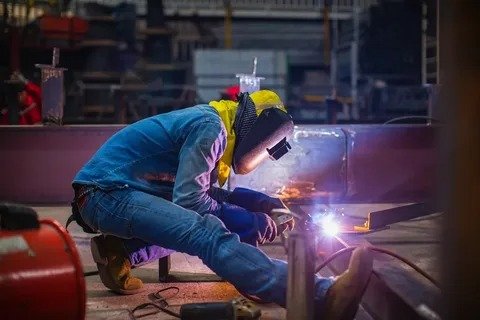
A metal gate that starts sagging, a cracked steel support, or a loose connection between structural components can become more than a minor property issue. In Pearland, TX, outdoor metalwork must handle heat, humidity, heavy rain, and regular exposure to changing weather. At JB Fences, understanding how metal connections perform under these conditions is an important part of discussing structural welding and dependable metal construction.
A strong weld does more than hold two pieces of steel together. It helps distribute loads, maintain alignment, and keep a structure stable through everyday use. Knowing what makes a welded connection reliable can help property owners make better decisions before starting a repair or installation project.
What Structural Welding Involves and Why It Matters
Structural welding joins metal components that support weight, resist movement, or maintain the shape of a larger structure. Unlike decorative welding, where appearance may be the main concern, structural work requires careful attention to joint strength, material compatibility, welding procedures, and the forces acting on each connection.
Common applications include steel support frames, fence posts, metal platforms, brackets, columns, beams, stair supports, and gate frames. Residential properties may need reinforcement around large entrances or metal fencing, while commercial buildings often depend on welded steel components for equipment supports, access structures, and protective barriers.
In Pearland, one common concern among homeowners is the condition of outdoor metal connections after years of exposure. A gate may still look solid from a distance, but rust around joints, small cracks, or movement near its supporting posts can indicate that the connection needs attention.
The welding process depends on the material and the job requirements. MIG welding is frequently used for suitable steel fabrication projects because it offers controlled, efficient welds. Stick welding can be useful for outdoor repairs and certain heavier steel applications. TIG welding provides greater control for thinner materials and projects requiring a cleaner finish.
Choosing the correct process matters because different metals, thicknesses, and joint designs require different preparation and welding techniques. A strong-looking weld is not automatically a structurally sound one.
The Real Challenges of Metalwork in Pearland, TX
For larger property improvements and industrial applications, heavy-duty metal structure welding in Pearland, TX requires careful attention to steel thickness, load distribution, joint preparation, and connection strength. These factors help determine whether the finished structure can safely handle its intended use.
These conditions make proper installation just as important as the welding itself.
Consider a typical property situation. A homeowner in Pearland notices that a large driveway gate no longer closes evenly, even though its panels appear undamaged. An inspection reveals movement around one supporting post and corrosion near a lower connection. Instead of simply adding another weld over the damaged area, the repair needs to address the post alignment, the condition of the existing steel, and the source of the movement.
This brings up a question that many property owners overlook: Does every cracked weld need to be repaired by welding another bead over it?
No. Adding fresh metal over a damaged connection without removing contamination, identifying the cause, or checking the surrounding material may hide the problem rather than fix it. The damaged section may need cleaning, cutting, replacement, reinforcement, or a properly prepared new joint.
Another concern is whether an older metal structure needs complete replacement. Not necessarily. If the base material remains sound and the original design can still perform safely, a qualified professional may be able to repair or reinforce selected sections. However, extensive corrosion, deformation, or damage to critical load-bearing components may require replacement and an engineering assessment.
How JB Fences Approaches Structural Metalwork
Good welding work starts before the welding equipment is switched on. The first step is understanding what the structure needs to support and identifying the condition of the existing materials.
For projects involving structural metalwork, a careful process should include the following stages.
- Inspecting the existing structure
The inspection should cover cracks, rust, bent components, loose fasteners, damaged posts, and signs of movement. Welders also need to understand whether the damaged section carries a structural load or serves a secondary purpose.
- Selecting suitable materials
Steel thickness, grade, and condition affect the choice of welding method and joint design. New material should be compatible with the existing structure. Using an unsuitable replacement piece can create problems even when the weld itself appears clean.
- Preparing the joint
Rust, paint, oil, and other contaminants can interfere with weld quality. Proper preparation may involve grinding, cutting, cleaning, and aligning the metal pieces before joining them.
- Completing the weld and checking the connection
The welder should use an appropriate procedure for the metal and joint configuration. After welding, the connection needs visual inspection for visible cracks, incomplete fusion, undercut, and other signs of poor workmanship. More demanding structural applications may require additional inspection or testing.
For JB Fences, the important consideration in discussing local metalwork is the relationship between a structure’s intended use and its actual construction. A gate frame, fence support, or steel reinforcement should be assessed according to the loads and conditions it will experience, rather than treated as a simple cosmetic repair.
One issue often missing from general welding discussions is the difference between a strong weld and a properly designed structure. Even an excellent weld cannot compensate for an undersized post, weak foundation, unsuitable steel section, or poorly distributed load. Structural drawings, qualified welding procedures, and applicable building requirements may be necessary for larger or load-bearing projects.
Practical Tips: What to Check Before Hiring a Welder
Hiring someone for metalwork involves more than comparing estimates. The quality of the materials, preparation, welding method, and final inspection all influence how long the finished work will last.
Here are several things to check before approving a project.
Ask about relevant welding experience.
Not every welder specializes in structural applications. Ask whether the person handling your project has experience with steel frames, support connections, metal posts, and other components similar to yours.
Understand the welding method.
Ask whether MIG, TIG, or stick welding is appropriate for your project. A knowledgeable welder should be able to explain the choice based on material thickness, location, accessibility, and structural requirements.
Check material thickness and compatibility.
Replacing a damaged section with thinner or unsuitable steel can weaken the overall assembly. Ask what material will be used and whether it matches the requirements of the existing structure.
Look at surface preparation and corrosion protection.
Grinding, cleaning, and removing damaged metal are important before welding. Once the work is complete, suitable primer, paint, or galvanizing can help protect exposed steel against moisture and corrosion.
For properties with moving or frequently used entrances, gate welding and fabrication services should account for hinge placement, frame alignment, post stability, and the weight of the gate. A connection that looks neat but cannot handle repeated opening and closing may develop problems much sooner than expected.
In Pearland, another pattern worth watching is the condition of metalwork near driveways, landscaped areas, and exposed property boundaries. Irrigation systems, standing water, and wet soil can leave lower metal sections exposed to moisture for extended periods. Checking these areas during routine property maintenance can help identify corrosion before it spreads.
One useful local tip is to pay attention to drainage around steel posts. Water collecting at the base can accelerate deterioration, especially where protective coatings have been damaged. Improving drainage and restoring the protective finish may help extend the service life of the surrounding metalwork.
For larger construction or reinforcement projects, heavy-duty metal structure welding requires additional attention to load requirements, connection details, and applicable safety standards. Ask whether the project needs engineering drawings, qualified welding procedures, or independent inspection before work begins.
Finally, request a written estimate that explains the work involved. It should identify the damaged components, proposed repairs or replacements, material specifications, surface finishing, and any inspection requirements. A clear scope makes it easier to compare estimates without choosing based on price alone.
Building Stronger Metal Structures for Pearland Properties
Reliable metalwork depends on sound materials, correct preparation, suitable welding procedures, and attention to the conditions surrounding the structure. Before approving a repair or installation, have the damaged area assessed and ask how the proposed work will address the underlying problem. JB Fences provides a local point of contact for discussing fencing and metalwork needs in Pearland, TX, and property owners can start by arranging an assessment of their project.
FAQs
1. What types of projects require structural welding?
Structural welding is used for projects involving steel beams, support columns, metal frames, platforms, stairs, and reinforcement components. Residential properties may need it for damaged gate supports or metal structures, while commercial buildings often require welded connections for load-bearing frames and equipment supports.
2. How much does structural welding cost in Pearland, TX?
The cost depends on the metal type, material thickness, project size, accessibility, and amount of preparation required. Small repairs generally cost less than large structural installations. Mobile welding, replacement materials, protective coatings, and inspection requirements can also affect the final estimate.
3. How do I know if a structural welder is qualified?
Ask about relevant experience, welding certifications, previous projects, and insurance coverage. For structural steel work, check whether the welder follows applicable AWS welding standards and uses qualified procedures where required. You can also request references, examples of similar work, and details about the inspection process.
4. Can damaged metal gates and support posts be repaired instead of replaced?
Yes, depending on the extent of the damage. A professional should inspect the steel, weld connections, hinges, and supporting posts before recommending repairs. Minor cracks or damaged joints may be repairable, while severe corrosion, bent sections, or weakened supports may require partial or complete replacement.
5. How can I protect welded steel structures from rust in Pearland?
Start by removing rust and applying an appropriate protective coating to exposed steel. Galvanizing or suitable metal primers and exterior paints can help reduce corrosion. Keep drainage clear around support posts, inspect welded joints periodically, and repair damaged coatings before moisture causes further deterioration.