
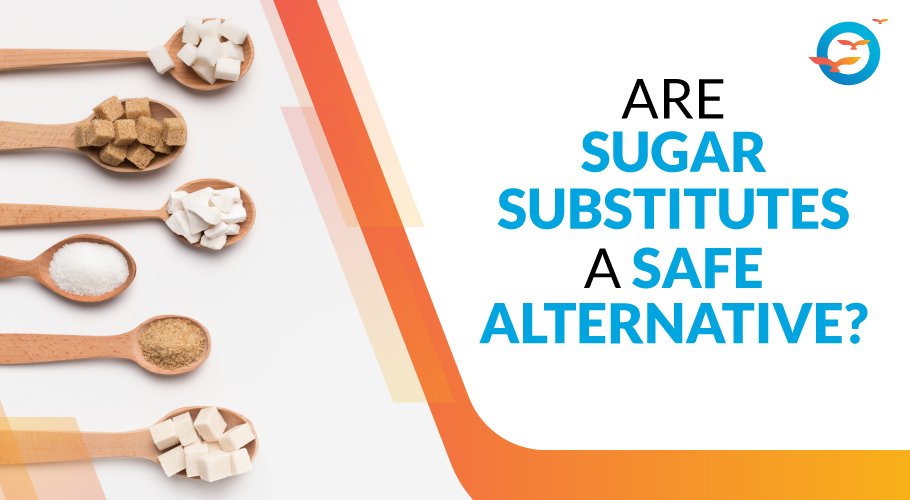
Sugar Substitutes and Type 2 Diabetes: Are They Safe Alternatives?
Managing sugar intake is an important part of living with type 2 diabetes. Many people look for alternatives to regular sugar to enjoy sweet foods and beverages without causing significant changes in blood glucose levels. Sugar substitutes are commonly used for this purpose, but their effects can vary depending on the type and quantity consumed.
Understanding the available options can help people make informed dietary choices.
What Are Sugar Substitutes?
Sugar substitutes are ingredients used to provide sweetness in place of regular sugar. They are available in different forms, including artificial sweeteners, sugar alcohols, and plant-based sweeteners.
Some common types include:
- Artificial sweeteners: Aspartame, saccharin, and sucralose are examples. They are generally much sweeter than regular sugar, so only small quantities are needed.
- Sugar alcohols: Sorbitol, xylitol, and erythritol are commonly used in sugar-free products. They usually have a lower impact on blood glucose than regular sugar, although their effects vary.
- Plant-based sweeteners: Stevia and monk fruit extracts are popular alternatives that provide sweetness with little or no sugar.
How Do Sugar Substitutes Affect Blood Sugar?
Most non-nutritive sweeteners have little to no direct effect on blood glucose levels when consumed in typical amounts. This makes them useful alternatives for people who want to reduce added sugar intake.
However, not all sugar substitutes behave in the same way. Sugar alcohols may contribute some carbohydrates and can affect blood glucose to varying degrees. Some may also cause bloating, gas, or digestive discomfort when consumed in large quantities.
It is also important to check product labels. Packaged sweeteners may contain added sugars, starches, or other ingredients that influence their nutritional value.
Are Sugar Substitutes Safe?
Approved sweeteners are generally considered safe within established acceptable intake limits. However, research continues to examine their long-term effects on health, appetite, and metabolic function.
The World Health Organization has also advised against relying on non-sugar sweeteners as a long-term strategy for weight control or preventing noncommunicable diseases. This does not mean that approved sweeteners are automatically unsafe, but it highlights the importance of developing healthier eating habits overall.
Tips for Choosing Sugar Alternatives
People with type 2 diabetes can consider the following points when selecting a sweetener:
- Check the ingredients: Read nutrition labels to identify added sugars and carbohydrates.
- Consider portion size: Even alternatives with a low blood glucose impact should be used in moderation.
- Choose according to your needs: Taste, cooking requirements, and digestive tolerance can influence your choice.
- Reduce sweetness gradually: Getting accustomed to less-sweet foods can help reduce dependence on added sweeteners.
Can Natural Sweeteners Be Used?
Stevia and monk fruit extracts are options for people looking to reduce added sugar. However, natural does not always mean sugar-free or suitable in unlimited quantities.
Dates, honey, jaggery, and fruit concentrates contain natural sugars and carbohydrates. They can still raise blood glucose levels, so portion control is important.
Whole fruits such as apples, guavas, and berries can provide natural sweetness along with fibre and other nutrients. They can be included in a balanced diet in appropriate portions.
Conclusion
Sugar substitutes for diabetes can help reduce added sugar intake, but they should not become the foundation of diabetes management. Choosing minimally processed foods, eating balanced meals, controlling portions, and limiting overall sweetness are more sustainable habits.
People with type 2 diabetes should consider their individual dietary needs and consult a healthcare professional or registered dietitian before making significant changes to their diet. A balanced approach can support better blood glucose management and overall health.
Read more, visit our blog.


