
Sports have traditionally been built around clubs, regional identities, national championships, and decades-old rivalries. Fans supported teams because of their hometown connections, family traditions, or emotional attachment to a particular sporting institution. However, the global sports industry is changing rapidly. Franchise-based leagues have introduced a different business model, attracting international audiences, corporate investment, major sponsors, and new generations of supporters.
From the Indian Premier League (IPL) in cricket to the Indian Super League (ISL) in football and franchise-based competitions in basketball, kabaddi, and other sports, this model is reshaping how professional sports are organized and consumed.
The growing popularity of these leagues also raises an important question: are franchise competitions strengthening traditional sports or gradually changing the importance of established tournaments?
The answer is not entirely one-sided. Franchise leagues create new commercial opportunities, improve player visibility, and make competitions more accessible. At the same time, they introduce challenges involving scheduling, player availability, traditional club identities, and the long-term development of domestic competitions.
Understanding the Franchise-Based Sports League Model
A franchise-based sports league is a competition in which privately owned or commercially managed teams participate under a central governing organization. Instead of relying entirely on traditional club membership or regional sporting structures, franchises generally operate through ownership agreements, sponsorships, broadcasting contracts, and league regulations.
The teams compete during a defined season, often following a round-robin format before entering knockout stages or playoffs. Revenue may come from television rights, ticket sales, sponsorships, merchandise, licensing, and digital platforms.
The business structure makes professional sports more attractive to investors because teams become recognizable commercial properties with identifiable fan communities.
How Franchise Leagues Changed the Sports Business
One of the biggest examples of this transformation is the Indian Premier League. Introduced in 2008, the IPL combined city-based teams, international players, entertainment, and commercial partnerships to create a new cricketing product.
Its success demonstrated that a well-organized franchise competition could attract audiences beyond traditional cricket-following communities. Shorter match formats, prime-time scheduling, and strong team identities helped make the tournament appealing to television and digital audiences.
Similar developments have taken place in football, basketball, and kabaddi. The Pro Kabaddi League helped bring a traditional Indian sport to a wider commercial audience through professional presentation, team branding, and broadcast-friendly competition formats.
The franchise model also encourages teams to think beyond individual matches. Owners invest in marketing, community engagement, merchandise, and long-term brand recognition. A team can therefore develop commercial value even outside its playing season.
Why Fans and Investors Are Attracted to Franchise Competitions
Franchise leagues offer a combination of sporting entertainment and commercial organization. For fans, the appeal often comes from exciting match formats, familiar players, city-based loyalties, and regular media coverage.
For investors, the attraction lies in the possibility of developing a valuable sports property. A successful franchise can generate income through sponsorships, broadcasting, merchandise, and partnerships.
Digital platforms have added another dimension to this growth. Fans can follow match updates, team announcements, player statistics, and tournament discussions without depending entirely on television coverage. Even audiences following Kingexchange ID online may encounter discussions about team performances, player form, and major sporting events as part of the wider digital sports environment.
This growing connection between sports and online engagement demonstrates how the modern fan experience extends beyond the stadium.
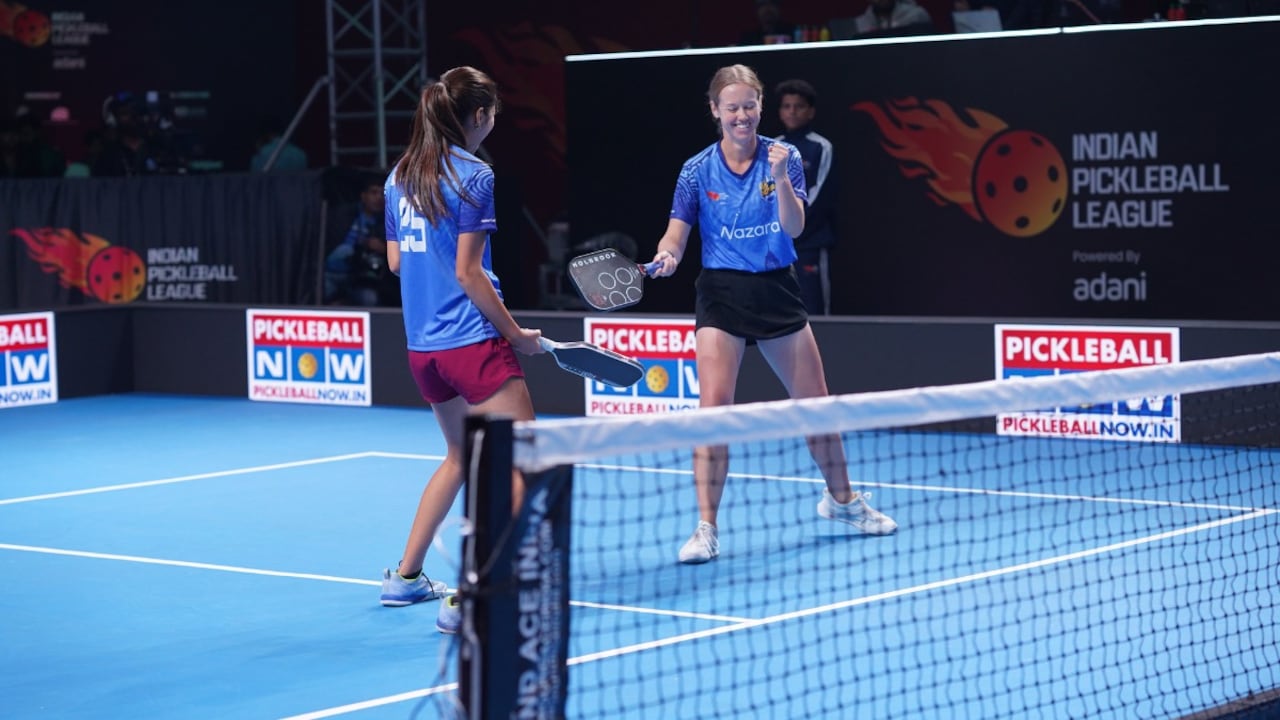
The Influence of Franchise Leagues on Traditional Sports Competitions
The expansion of franchise-based leagues has created new opportunities, but it has also changed the competitive environment for established tournaments. Traditional competitions are now operating in a sporting landscape where entertainment value, commercial visibility, and audience engagement are increasingly important.
The impact can be seen across several areas.
1. Changes in Player Development and Career Opportunities
Franchise leagues have created additional professional opportunities for athletes. Players who previously depended on national selection, domestic championships, or a limited number of professional clubs can now build careers through multiple competitions.
For example, an emerging Indian cricketer may gain international recognition through a strong IPL performance. Exposure to experienced international players can improve technical understanding, match awareness, and confidence under pressure.
Franchise teams also have financial incentives to identify young talent. Their scouting departments examine domestic tournaments, academy performances, and player statistics to find athletes who could become valuable additions.
However, the growing popularity of franchise competitions can create difficult choices. Players may need to balance international commitments, domestic tournaments, and franchise contracts. Governing bodies must therefore establish sensible schedules that protect player fitness and preserve the importance of national competitions.
2. Financial Pressure on Traditional Clubs and Tournaments
Traditional sports organizations often depend on membership fees, local sponsorships, government support, ticket sales, and broadcasting income. Some established competitions struggle to match the financial resources available to major franchise leagues.
The commercial success of the IPL, for instance, has raised expectations around cricket broadcasting, sponsorship, and player remuneration. Smaller domestic competitions may find it difficult to attract similar attention when audiences have access to high-profile franchise tournaments.
The situation is not necessarily a competition in which one model must replace the other. Traditional tournaments can benefit from partnerships with franchise organizations, improved digital coverage, and more professional marketing.
For example, a domestic cricket association could use franchise scouting networks to give promising players greater exposure while continuing to organize its established championship.
3. How Fan Loyalty Is Changing
Traditional sports loyalty is often connected to family history, local identity, and long-standing rivalries. Supporters may follow a club for generations, regardless of its financial position or recent results.
Franchise leagues introduce a different type of connection. Fans may support a team because of its city, popular players, colors, marketing campaigns, or entertainment experience.
In India, the growth of city-based cricket and football teams has encouraged people to develop new sporting identities. Someone who previously followed international cricket casually may become a dedicated supporter of a particular IPL franchise.
This change also influences how audiences consume sports. Fans regularly check team news, player updates, and match statistics, sometimes using a KingExchange login to access online sports-related services alongside their regular viewing and discussions.
Nevertheless, traditional loyalty remains important. Historic competitions continue to offer emotional connections that commercial branding alone cannot easily reproduce.
4. Greater Importance of Media Rights and Digital Broadcasting
Broadcasting has become one of the most important revenue sources for modern professional sports. Franchise leagues are particularly effective at creating regular, predictable content that broadcasters can package for television and digital platforms.
Shorter competitions with fixed schedules make it easier to attract advertising partners and organize promotional campaigns. Streaming services have also helped audiences watch matches on smartphones, tablets, and computers.
Traditional tournaments are responding by improving their own broadcasting strategies. Better camera coverage, player interviews, statistics, and behind-the-scenes content can make older competitions more appealing to younger audiences.
The competition is no longer limited to what happens on the playing field. Sports organizations must also consider how effectively they communicate with supporters before, during, and after matches.
5. The Commercialization of Sports Culture
Franchise leagues have made sponsorships, merchandise, and team branding central parts of professional sports. Jerseys, team logos, social media campaigns, and player endorsements now contribute significantly to the identity of modern competitions.
For example, a franchise can build a recognizable brand through community programs, promotional events, and partnerships with consumer companies.
Traditional competitions can learn from this approach without abandoning their history. A historic football club, for instance, can improve merchandise availability and digital communication while continuing to celebrate its original identity.
The challenge is maintaining a healthy balance between commercial activity and sporting values. When advertising and entertainment become more important than competition quality, fans may begin questioning the purpose of the tournament.
Franchise Leagues in India: Opportunities and Challenges
India provides an interesting example of how franchise-based competitions can influence an established sporting culture. Cricket already has an enormous following, but professional leagues have helped bring additional attention to sports such as kabaddi and football.
The IPL remains the most visible example, while the ISL and Pro Kabaddi League demonstrate how franchise structures can support different sporting disciplines.
These developments have created opportunities for players, coaches, broadcasters, sponsors and local businesses.
However, the success of franchise competitions should not be measured only through commercial revenue. Their contribution to grassroots development, coaching standards, infrastructure and sporting participation is equally important.
For emerging audiences, the king exchange register process represents another example of how online sports-related services have become part of the broader digital environment surrounding modern competitions. However, digital engagement should complement genuine sporting participation rather than replace it.
Sports organisations must also consider responsible audience engagement, transparent commercial practices and appropriate protections for younger supporters.
Can Traditional Competitions Coexist With Franchise Leagues?
Franchise competitions do not automatically make traditional tournaments irrelevant. Both models can serve different purposes within the same sporting ecosystem.
Traditional competitions provide historical continuity, regional representation and opportunities for sustained player development. Franchise leagues offer commercial investment, entertainment-focused presentation and additional professional pathways.
The relationship can become mutually beneficial when governing bodies coordinate schedules, establish player welfare standards and ensure that domestic competitions receive adequate attention.
For example, cricket boards can use franchise tournaments to identify talented players while maintaining strong first-class and domestic limited-overs structures. Similarly, football authorities can encourage commercial investment without weakening established league systems or youth development programmes.
The long-term success of this relationship depends on recognising that professional entertainment and sporting development are connected but not identical objectives.
What the Future Holds for Franchise-Based Sports Leagues
The next stage of franchise sports development will probably involve stronger international partnerships, improved technology and more sophisticated audience engagement.
Artificial intelligence and performance analytics are already helping teams evaluate players, study opposition strategies and monitor physical performance. Digital broadcasting will continue making competitions accessible to audiences across different countries.
There may also be more cross-border partnerships between franchises. Cricket has already demonstrated how team ownership and professional networks can extend across multiple T20 competitions.
However, expansion needs careful planning. Too many overlapping tournaments could create scheduling problems, reduce player availability and overwhelm audiences with constant competition.
A sustainable model should protect domestic sporting structures while providing franchises with enough commercial freedom to grow.
Frequently Asked Questions (FAQs)
1. What is a franchise-based sports league?
A franchise-based sports league is a professional competition in which privately owned or commercially managed teams compete under a central governing organisation. Teams generally operate through sponsorships, broadcasting agreements, player contracts and league regulations.
2. How have franchise leagues changed traditional sports?
They have introduced new revenue opportunities, professional management, improved broadcasting, international player participation and stronger marketing. They have also increased competition for players, audiences and sponsorships.
3. Why is the IPL considered an important franchise league?
The IPL transformed professional T20 cricket through city-based teams, international player participation, commercial partnerships and extensive broadcasting. It demonstrated the potential of franchise-based competitions in the Indian sports market.
4. Do franchise leagues negatively affect traditional tournaments?
They can create scheduling conflicts and financial competition, particularly when established tournaments struggle to attract audiences. However, proper planning and cooperation can allow both formats to support each other.
5. Are franchise-based sports leagues beneficial for young athletes?
Yes, they can provide professional exposure, financial opportunities, access to experienced coaches and opportunities to compete against established players. However, grassroots training and traditional domestic competitions remain essential for long-term development.
Conclusion
The rise of franchise-based sports leagues represents a major shift in the global sports industry. These competitions have changed how teams generate revenue, how players build careers and how audiences connect with their favourite sports.
Yet, traditional competitions still have an important role. Their history, regional identities and contribution to player development provide a foundation that commercial leagues cannot simply replace.
The most successful sporting ecosystems will be those that combine the financial strength and entertainment appeal of franchise leagues with the competitive integrity and developmental value of traditional tournaments. For India, this balance could create a stronger professional sports environment, offering better opportunities for athletes while keeping the country’s sporting heritage alive.