

Introduction
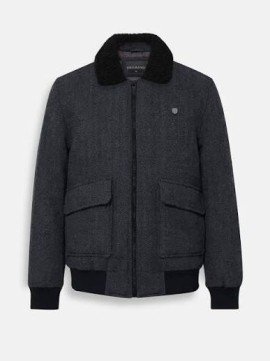
In the apparel manufacturing industry, maintaining accurate garment measurements throughout production is essential for delivering high-quality products. One of the most common issues encountered during the Development and Industrialization Process (DIP) is jacket length shortening. Even a small reduction in garment length can lead to fitting problems, customer dissatisfaction, and increased production costs. Since jackets are structured garments that require precise dimensions, any unexpected change in length can significantly affect their appearance, functionality, and overall quality.
Understanding why jacket length shortening occurs during DIP allows manufacturers to implement preventive measures before bulk production begins. Identifying the root causes and making necessary adjustments at the development stage helps reduce defects, improve product consistency, and ensure that garments meet buyer specifications.
What Is DIP in Garment Manufacturing?
The Development and Industrialization Process (DIP) is the stage where garments are tested, evaluated, and refined before mass production. During this process, manufacturers verify patterns, construction methods, fabric behavior, washing performance, and measurement stability. DIP acts as a bridge between product development and bulk manufacturing, ensuring that all technical requirements are achieved before production begins.
Because garments undergo multiple sewing, pressing, washing, and finishing operations during DIP, dimensional changes such as jacket length shortening can become visible. Detecting these issues early prevents costly corrections during large-scale production.
Why Jacket Length Shortening Occurs During DIP
Several factors contribute to jacket length reduction during the development process. The most common cause is fabric shrinkage. Many woven and knitted fabrics naturally shrink when exposed to moisture, steam, or heat. If fabrics are not properly pre-shrunk before cutting, the finished jacket may become shorter after washing or finishing.
Another important factor is excessive heat during pressing. Jackets require frequent pressing to shape collars, lapels, sleeves, and seams. Applying temperatures higher than the fabric can tolerate may cause fibers to contract, resulting in noticeable length reduction.
Incorrect sewing techniques can also affect garment dimensions. Uneven feeding between the upper and lower fabric layers, excessive stitch tension, or stretching the fabric while sewing may distort the garment. Once the jacket relaxes after finishing, the overall length may decrease.
Interlining materials also influence jacket measurements. Poor-quality or incompatible fusible interlining may shrink differently from the outer fabric during fusing or washing. This mismatch causes the shell fabric to contract, altering the jacket length.
Improper garment washing is another major contributor. Washing temperatures, drying conditions, and mechanical action can all affect dimensional stability. Fabrics that have not been tested for shrinkage are especially vulnerable during this stage.
The Impact of Jacket Length Shortening
Length variation may seem like a minor issue, but its consequences are significant. Jackets are designed with carefully balanced proportions. A shortened garment may expose more of the wearer’s clothing underneath, disrupt the intended silhouette, and reduce customer satisfaction.
From a quality perspective, shortened jackets often fail buyer measurement tolerances. This can lead to rejected samples, repeated fitting sessions, production delays, and additional costs. In severe cases, manufacturers may need to remake samples or revise production patterns, increasing both material waste and labor expenses.
For fashion brands, inconsistent garment measurements can damage customer trust. Consumers expect every jacket within the same size range to provide a consistent fit. Failure to maintain dimensional accuracy can negatively affect brand reputation and future sales.
Methods to Prevent Jacket Length Shortening
Preventing jacket length shortening in dip begins with fabric preparation. Manufacturers should conduct shrinkage tests before production and ensure that fabrics are properly relaxed or pre-shrunk according to supplier recommendations. This step significantly reduces unexpected dimensional changes later in the process.
Pattern makers should incorporate measured shrinkage allowances into the garment pattern whenever necessary. Instead of correcting problems after sampling, planned compensation ensures that finished jackets achieve the desired dimensions after washing and finishing.
Maintaining correct pressing conditions is equally important. Operators should follow recommended temperature, pressure, and pressing time based on the fabric composition. Using excessive steam or heat should be avoided, particularly for delicate synthetic blends.
During sewing, machine settings should be carefully adjusted to prevent fabric stretching. Proper stitch density, balanced thread tension, and synchronized feeding systems help maintain garment stability throughout assembly.
Selecting compatible interlining materials is another critical preventive measure. Both the shell fabric and interlining should demonstrate similar shrinkage performance under production conditions. Performing bonding tests before bulk production helps identify potential problems early.
Quality control teams should perform measurement checks after each critical production stage, including cutting, sewing, pressing, washing, and finishing. Continuous monitoring allows manufacturers to detect dimensional changes before they become serious quality issues.
Testing and Quality Assurance
Dimensional stability testing is one of the most effective tools for controlling jacket length. Fabric samples should be tested according to recognized industry standards before production begins. The results provide valuable information regarding expected shrinkage percentages under normal washing and finishing conditions.
Garment measurement audits should also be conducted during DIP. Multiple samples from different production stages should be compared against approved specifications. Statistical quality control methods help identify trends and prevent recurring measurement problems.
Communication between design, pattern development, production, and quality assurance teams is equally essential. Sharing test results and technical feedback ensures that necessary adjustments are made before production quantities increase.
Best Industry Practices
Leading apparel manufacturers adopt preventive quality management rather than relying on corrective actions. They establish detailed standard operating procedures for fabric inspection, shrinkage testing, pressing conditions, and measurement verification. Regular operator training further improves production consistency.
Digital pattern technology and automated cutting systems also contribute to improved dimensional accuracy. Combined with modern quality inspection methods, these technologies help minimize human error and maintain consistent jacket measurements throughout production.
Many manufacturers additionally perform pilot production runs before launching bulk manufacturing. These limited production trials confirm that all technical adjustments made during DIP successfully eliminate length variation and other dimensional issues.
Conclusion
Jacket length shortening during the Development and Industrialization Process is a common but manageable challenge in garment manufacturing. Factors such as fabric shrinkage, improper pressing, unsuitable interlining, sewing tension, and washing conditions can all contribute to dimensional changes. However, with proper fabric testing, accurate pattern adjustments, controlled production processes, and effective quality assurance, manufacturers can successfully prevent these problems before bulk production begins.
A proactive approach to dimensional stability not only improves product quality but also reduces production costs, minimizes waste, and strengthens customer confidence. By identifying and addressing jacket length shortening during DIP, apparel manufacturers can ensure that every finished garment meets buyer expectations for fit, appearance, and long-term performance. Investing in preventive quality control ultimately leads to greater efficiency, enhanced brand reputation, and more successful garment production.