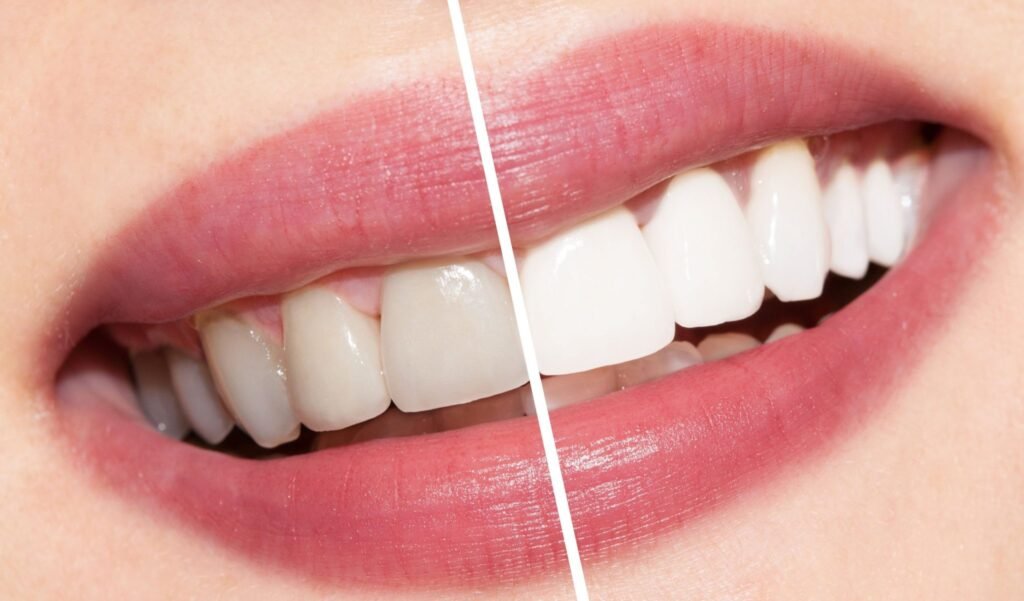

A bright, white smile is often associated with confidence and good oral health, making teeth whitening one of the most popular cosmetic dental treatments. Whether performed professionally by a dentist or using at-home products, teeth whitening can effectively remove stains and improve the appearance of your smile. However, a common question many people ask is, “Is teeth whitening suitable for everyone?”
The simple answer is no. While teeth whitening is safe and effective for many people, it is not the right option for everyone. Your age, oral health, type of tooth discoloration, and existing dental restorations all play a role in determining whether whitening is the best treatment for you.
How Does Teeth Whitening Work?
Teeth whitening treatments use bleaching agents such as hydrogen peroxide or carbamide peroxide to break down stains within the enamel and dentin. These ingredients lighten discoloration caused by:
- Coffee
- Tea
- Red wine
- Smoking
- Aging
- Certain foods
Professional whitening treatments use stronger whitening agents than over-the-counter products and are performed under the supervision of a dentist for safe and predictable results.
Who Is a Good Candidate for Teeth Whitening?
Teeth whitening is generally suitable for adults who have healthy teeth and gums.
You may be an ideal candidate if you:
- Have yellow or stained natural teeth
- Maintain good oral hygiene
- Have healthy gums
- Do not have untreated cavities
- Want to improve the appearance of your smile
People with stains caused by food, drinks, tobacco, or aging usually achieve the best results.
Who May Not Be Suitable for Teeth Whitening?
Although whitening is safe for many people, some individuals may need alternative treatments or should postpone whitening until dental problems are addressed.
People with Tooth Decay
If you have untreated cavities, whitening products can reach the inner part of the tooth and cause pain or increased sensitivity.
Your dentist should treat cavities before whitening.
People with Gum Disease
Inflamed or infected gums should be treated before cosmetic whitening.
Whitening gel may worsen irritation if gum disease is present.
Individuals with Severe Tooth Sensitivity
If your teeth are already highly sensitive, whitening may temporarily increase discomfort.
Your dentist may recommend:
- Desensitizing toothpaste
- Lower-strength whitening gel
- Shorter treatment sessions
People with Cracked or Damaged Teeth
Cracks, broken teeth, or worn enamel should be repaired before whitening to reduce the risk of discomfort and improve treatment success.
Does Whitening Work on Dental Restorations?
One important limitation is that whitening products only work on natural tooth enamel.
They do not whiten:
- Crowns
- Veneers
- Fillings
- Dental bonding
If you have visible restorations, your dentist may recommend replacing them after whitening so they match the color of your natural teeth.
Is Teeth Whitening Suitable for Teenagers?
Teeth whitening is generally recommended only after the permanent teeth have fully developed.
Dentists usually advise waiting until the mid-teen years or later, depending on the individual’s dental development.
Parents should always consult a dentist before considering whitening for teenagers.
Can Pregnant or Breastfeeding Women Have Whitening?
Although there is no strong evidence that teeth whitening is harmful during pregnancy or breastfeeding, most dentists recommend postponing cosmetic whitening until after pregnancy or breastfeeding as a precaution.
Routine dental care remains important during this time.
Does the Type of Stain Matter?
Yes. The cause of discoloration affects how well whitening works.
Whitening is usually very effective for:
- Yellow stains
- Coffee stains
- Tea stains
- Tobacco stains
- Age-related discoloration
It may be less effective for:
- Gray teeth
- Fluorosis
- Stains caused by certain medications
- Teeth darkened after injury
In these cases, cosmetic treatments such as veneers or dental bonding may provide better results.
Professional Whitening vs. At-Home Whitening
Professional whitening is generally recommended because it offers:
- Stronger whitening agents
- Faster results
- Customized treatment
- Protection for gums
- Reduced risk of uneven whitening
- Professional supervision
Over-the-counter products may work for mild stains but usually require longer treatment and may not produce the same level of whitening.
Risks of Whitening
Professional whitening is considered safe when performed correctly, but temporary side effects may include:
- Tooth sensitivity
- Mild gum irritation
- Temporary discomfort
These symptoms usually disappear within a few days.
Following your dentist’s instructions helps minimize these effects.
Alternatives to Teeth Whitening
If whitening is not suitable for you, your dentist may recommend other cosmetic options, including:
- Dental veneers
- Composite bonding
- Dental crowns
- Professional cleaning to remove surface stains
These treatments can improve the appearance of your smile when whitening alone cannot achieve the desired results.
How to Know If Whitening Is Right for You
Before beginning any whitening treatment, schedule a dental examination.
Your dentist will assess:
- The health of your teeth and gums
- The cause of discoloration
- Existing dental restorations
- Tooth sensitivity
- Your cosmetic goals
Based on this evaluation, they can recommend the safest and most effective treatment option.
Tips for Maintaining White Teeth
Whether you choose professional whitening or another cosmetic treatment, maintaining good oral hygiene helps preserve your smile.
Remember to:
- Brush twice daily with fluoride toothpaste.
- Floss every day.
- Limit coffee, tea, and red wine.
- Avoid tobacco products.
- Drink water after meals.
- Visit your dentist regularly for cleanings and check-ups.
These habits help reduce staining and support long-term oral health.
Conclusion
So, is teeth whitening suitable for everyone? Not always. While it is a safe and effective treatment for many people with healthy teeth and gums, it may not be appropriate for individuals with untreated dental problems, severe sensitivity, certain types of tooth discoloration, or visible dental restorations. A professional dental evaluation is the best way to determine whether teeth whitening is the right choice for your smile. By choosing the appropriate treatment and following your dentist’s recommendations, you can achieve a brighter smile safely and effectively.