
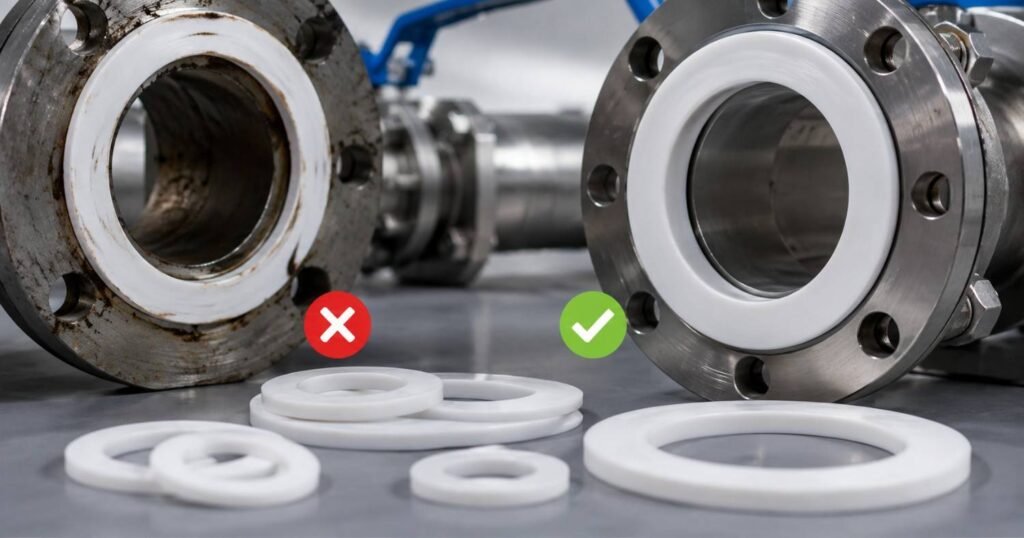

A PTFE Washer is a small but important component used in many industrial and mechanical applications. It helps distribute pressure, reduce friction, prevent leakage, and improve the performance of fastening systems. Thanks to its excellent chemical resistance, non-stick properties, and ability to handle extreme temperatures, PTFE washers are widely used in chemical plants, electrical equipment, automotive systems, food processing, and many other industries.
However, even the highest-quality PTFE washer may not perform well if it is used incorrectly. Many users unknowingly make simple mistakes during selection, installation, or maintenance, which can lead to leakage, equipment damage, or frequent replacements. Understanding these common mistakes can help you get better performance and a longer service life from your PTFE washers.
Choosing the Wrong Size
One of the most common mistakes is selecting the wrong washer size. A PTFE washer should match the bolt, screw, or fastening component perfectly. If the washer is too small, it may not provide proper support. If it is too large, it may fail to distribute pressure evenly.
Always check the inner diameter, outer diameter, and thickness before purchasing. Using the correct size ensures a secure fit and reliable sealing performance.
Ignoring the Application Requirements
Not every application has the same operating conditions. Some industries deal with high temperatures, while others involve aggressive chemicals or heavy pressure.
Before choosing a PTFE washer, understand the working environment. Consider factors such as:
- Temperature range
- Chemical exposure
- Pressure level
- Moisture conditions
- Mechanical load
Selecting a washer without evaluating these conditions may reduce its effectiveness and lifespan.
Over-Tightening Fasteners
Many people believe tightening bolts as much as possible creates a stronger seal. In reality, excessive tightening can damage a PTFE washer.
PTFE is softer than many metals. Applying too much force can deform the washer, reduce its sealing capability, and even shorten its service life.
Always follow the recommended torque values provided for your equipment. Proper tightening creates a secure seal without damaging the washer.
Reusing Old PTFE Washers
Although PTFE is known for its durability, reusing old washers is not always a good practice. Once a washer has been compressed for a long period, it may lose its original shape and sealing ability.
Installing a used washer in a new assembly increases the risk of leakage and uneven pressure distribution. Replacing old washers during maintenance is often more cost-effective than dealing with equipment failure later.
Using Low-Quality Products
Quality plays a major role in performance. Low-grade PTFE washers may contain impurities or inconsistent material composition, affecting their strength and chemical resistance.
Choosing products from a trusted manufacturer helps ensure consistent quality, accurate dimensions, and dependable performance. Companies such as Goa Polymer manufacture high-quality PTFE components designed for demanding industrial applications.
Ignoring Surface Cleanliness
Before installing a PTFE washer, the contact surfaces should be clean and smooth. Dirt, oil, rust, or leftover gasket material can prevent the washer from sealing properly.
Always clean the surfaces before installation. A clean mounting area allows the washer to sit evenly and improves sealing performance.
Installing the Washer Incorrectly
Incorrect installation is another common mistake. The washer should sit flat between the fastening surfaces without bending, twisting, or shifting.
If the washer is installed at an angle, pressure will not be distributed evenly, increasing the chances of leaks or mechanical stress.
Take a few extra moments during installation to ensure proper alignment.
Not Inspecting During Maintenance
Many maintenance teams focus only on major machine parts and overlook washers. Although small, a PTFE washer plays an important role in maintaining equipment reliability.
Regular inspections help identify:
- Wear and deformation
- Surface damage
- Compression marks
- Chemical degradation
- Loose fasteners
Replacing worn washers during scheduled maintenance helps avoid unexpected equipment failures.
Using PTFE Washers Beyond Their Limits
PTFE offers excellent resistance to chemicals and temperature, but every material has operating limits. Using a PTFE washer in conditions beyond its recommended specifications can reduce its performance.
Always verify that the washer is suitable for your application. If higher mechanical strength is required, consider reinforced PTFE materials designed for demanding environments.
Storing Washers Improperly
Storage conditions also affect product quality. Leaving PTFE washers exposed to dust, heavy objects, or physical damage can reduce their usability.
Store them in a clean, dry place away from unnecessary mechanical stress. Keeping washers in their original packaging until use helps maintain their condition.
Forgetting to Match Washer Material with Equipment
Some users choose a PTFE washer simply because it is chemically resistant, without checking whether it is the most suitable option for the equipment.
Different industrial systems have different sealing requirements. Matching the washer material with the application ensures better compatibility, improved performance, and longer service life.
When in doubt, consult an experienced supplier or manufacturer for guidance.
Benefits of Proper PTFE Washer Usage
Avoiding these common mistakes offers several advantages, including:
- Better sealing performance
- Reduced equipment downtime
- Longer washer life
- Lower maintenance costs
- Improved operational safety
- Reliable performance under demanding conditions
Proper selection and installation allow you to make full use of the excellent properties that PTFE provides.
Conclusion
A PTFE Washer is a simple component, but it has a significant impact on the efficiency and reliability of industrial equipment. Choosing the correct size, avoiding excessive tightening, maintaining clean installation surfaces, and using high-quality products all contribute to better performance.
By avoiding these common mistakes, you can improve sealing efficiency, reduce maintenance expenses, and extend the life of your machinery. Investing in reliable products from trusted manufacturers like Goa Polymer also ensures consistent quality and dependable performance across a wide range of industrial applications. With the right practices, a PTFE washer can continue delivering excellent results for years while supporting smooth and trouble-free operations.