
Choosing an interior design style feels harder than it should be. You scroll through hundreds of photos online, save dozens of ideas, and still end up unsure what your own home should look like. This happens to almost everyone, and it is completely normal.
The truth is, a good interior style is not about following a trend. It is about picking something that fits how you actually live. This guide walks you through a simple way to figure that out, without the overwhelm. If you want extra inspiration once you know your direction, TNT Design Artisan shares plenty of practical design ideas for homes of every size.
Why Your Interior Style Matters More Than You Think
Your home’s style affects more than looks. It shapes how relaxed you feel after a long day, how easy the space is to clean, and even how long your furniture and finishes last.
A style that does not match your lifestyle usually causes small daily frustrations:
- A pale sofa that shows every stain because you have young kids or pets
- Delicate furniture that feels out of place in a busy household
- A “trendy” look you already feel tired of after one year
Picking the right style from the start saves money, time, and regret later.
Step 1: Look at How You Actually Live
Before picking colours or furniture, think about your daily habits. Ask yourself:
- Do you cook often, or mostly order food in?
- Do you host guests regularly, or prefer quiet nights at home?
- Do you have kids, pets, or elderly family members living with you?
- Do you work from home and need a quiet corner?
These answers matter more than any design trend. A busy family home needs durable, easy-to-clean materials. A quiet, work-from-home space benefits from calm colours and good lighting. Your lifestyle should always come before your Pinterest board.
Step 2: Understand the Main Interior Styles
Once you know your lifestyle needs, it helps to understand the broad style categories. Here are a few common ones homeowners in Singapore often choose between:
Minimalist
Clean lines, simple colours, and very few decorative items. This style suits people who want a calm, clutter-free home and do not mind storing extra items out of sight.
Scandinavian
Light wood tones, soft neutral colours, and cosy textures. This works well for families who want warmth without heavy decoration.
Industrial or Raw-Material Style
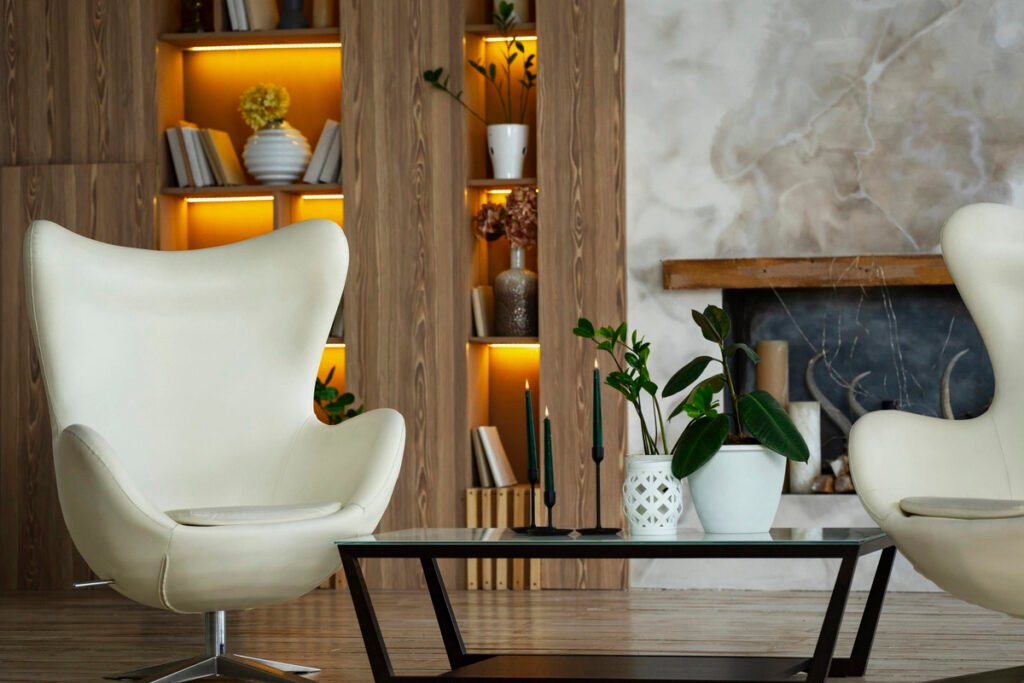
Exposed textures like concrete, metal, and stone paired with warm lighting and soft fabrics. This style has grown popular because it feels bold yet timeless, and it hides daily wear and tear well. If this rougher, honest-material look interests you, TNT Design Artisan’s guide on brutalist interior design breaks down how to soften the look so it still feels warm and liveable.
Modern Classic
A mix of clean modern shapes with a few timeless, elegant details. This suits homeowners who want a stylish look that will not feel dated in five years.
You do not need to pick just one. Many of the best homes blend two styles together, for example, minimalist layouts with warm Scandinavian textures.
Step 3: Consider Your Space, Not Just Your Taste
A style that looks amazing in a large showroom photo might not work in a smaller HDB flat or a narrow condo unit. Before finalising anything, think about:
- Natural light – Darker colour palettes need good lighting, or the room can feel smaller.
- Room size – Bulky furniture and heavy patterns can make compact rooms feel cramped.
- Layout flow – Open-concept spaces usually handle bold styles better than small, divided rooms.
If you are unsure how a certain style will look in your specific space, it helps to see real examples of it applied in similar-sized homes rather than just inspiration photos from large international properties.
Step 4: Set a Realistic Budget Early
Interior style choices directly affect cost. Custom carpentry, natural stone, and imported materials cost more than standard finishes. Before falling in love with a look, get a rough idea of what it usually costs to achieve in your area.
A simple rule that helps many homeowners:
- Spend more on items you touch and use daily (sofas, mattresses, kitchen counters)
- Spend less on items that are purely decorative and easy to change later (cushions, wall art, small accessories)
This way, your budget goes toward comfort and durability first, and style second.
Step 5: Test Before You Commit
You do not need to renovate your entire home to know if a style suits you. Small tests help you decide with more confidence:
- Try a new colour on one accent wall before repainting the whole house
- Add textured cushions or a rug to see how a warmer style feels
- Change your lighting temperature to see how it changes the mood of a room
These small, low-cost changes often reveal a lot about what you truly enjoy living with every day.
Common Mistakes to Avoid
Many homeowners run into the same issues when picking a style:
- Copying a look exactly from social media without adjusting it for their own room size or lighting
- Ignoring maintenance needs, choosing materials that look great but are hard to clean
- Choosing based on trends alone, which can feel outdated within a couple of years
- Skipping a plan, buying furniture piece by piece without a clear overall direction
Avoiding these mistakes usually saves both money and stress later in the process.
Bringing It All Together
Your ideal interior style sits at the point where your lifestyle, your space, and your budget all agree. It does not have to match a single trend perfectly. Many of the most comfortable homes borrow small elements from a few different styles and combine them thoughtfully.
If you are still exploring ideas and want a broader range of options to compare, this collection of stylish home interior design ideas covers several looks side by side, which can make it easier to spot what genuinely appeals to you before you commit to a direction.
Take your time with this decision. A home you renovate thoughtfully today is one you will still enjoy living in years from now.
Frequently Asked Questions
- How do I know which interior style suits my personality?
Think about how you want to feel at home, calm, cosy, or bold, and match that feeling to a style. Testing small changes like paint or textiles helps confirm your choice before committing fully. - Can I mix two interior design styles together?
Yes. Many homeowners combine two styles, such as minimalist layouts with warm textures, to create a space that feels both clean and inviting. - Is a bold or industrial style hard to maintain?
Not necessarily. Modern materials now recreate raw, industrial textures while staying easy to clean, so you get the look without high maintenance. - What is the biggest mistake homeowners make when choosing a style?
Copying inspiration photos exactly without adjusting for their own room size, lighting, and daily lifestyle needs. - Should I choose a style based on trends or personal preference?
Personal preference should always come first. Trends change, but a style that suits your daily life stays comfortable and functional for years.