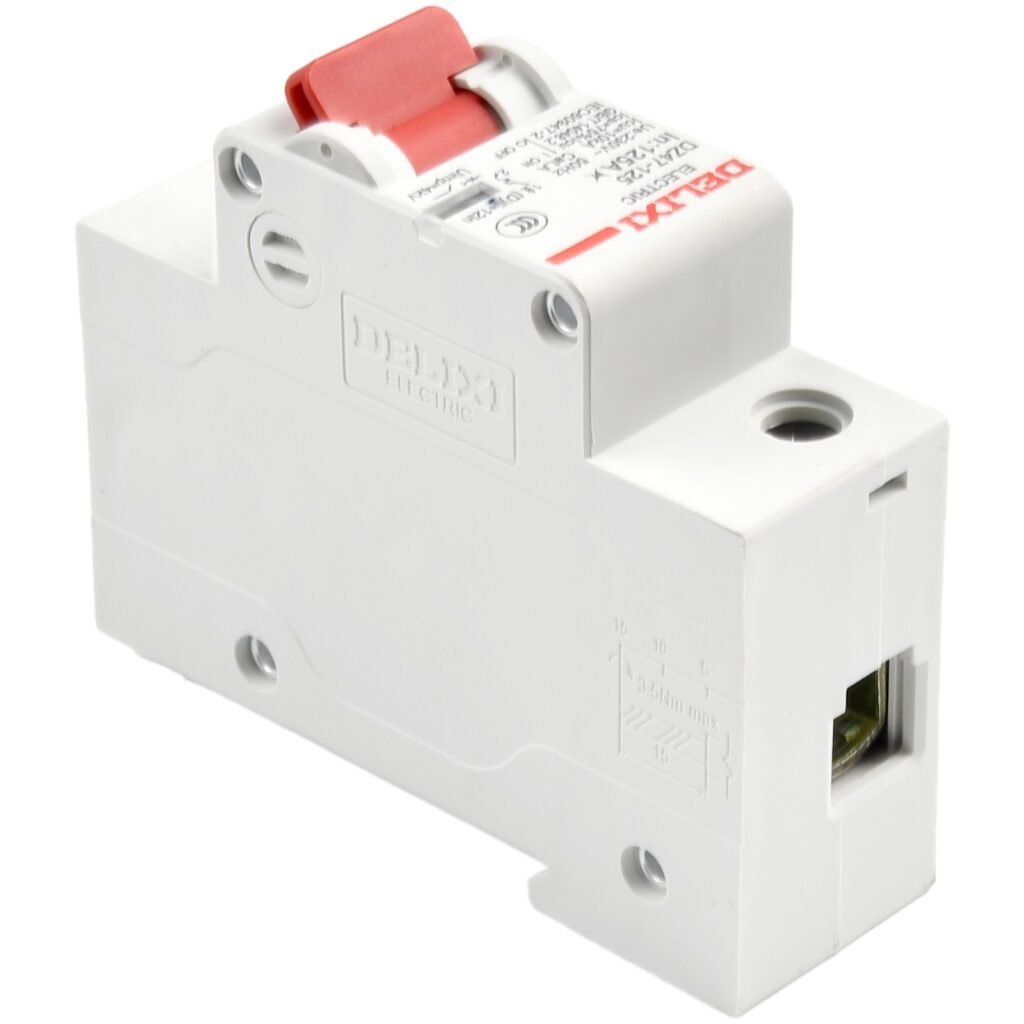

Choosing the correct circuit breaker is an important part of maintaining a safe and reliable electrical system. A GE 100 Amp Breaker Compatibility may be needed for a high-capacity circuit or specific electrical equipment, but selecting the right model requires more than matching the amp rating. The breaker must be compatible with the electrical panel, suitable for the circuit, and installed according to applicable electrical requirements.
Using the wrong breaker can create serious safety problems. Before buying or installing one, homeowners should understand panel compatibility, breaker configuration, electrical load, and wiring requirements.
Understand What a 100 Amp Breaker Does
A 100 amp circuit breaker is designed to protect a circuit from excessive current. When the current exceeds the breaker’s rated limits under the applicable conditions, the breaker interrupts the electrical supply.
The 100 amp rating does not mean that every circuit in your home should use a 100 amp breaker. Breaker size must match the circuit design, conductors, equipment, and electrical requirements.
If you are replacing an existing breaker, identify the reason for the replacement before purchasing a new one. A damaged breaker and an overloaded circuit are two different problems that require different solutions.
Check Your GE Electrical Panel
The first step is to identify the exact electrical panel you have. Look for the manufacturer’s label inside the panel and record the model number and panel rating.
The panel documentation may specify which breaker families and configurations are approved for use. This information is more important than simply finding a breaker that physically fits.
Different GE panels can have different compatibility requirements. A breaker that fits into one panel may not be suitable for another.
Verify Breaker Compatibility
Compatibility is one of the most important factors when selecting a GE breaker. Circuit breakers are designed for specific panel systems and configurations.
Before purchasing a GE 100 amp breaker, verify:
- Panel manufacturer and model
- Breaker family
- Amp rating
- Voltage rating
- Pole configuration
- Interrupting rating
- Applicable certification or listing
- Panel manufacturer’s approved breaker information
Do not rely only on the appearance of the breaker. Electrical components can look similar while having different specifications.
Determine Whether You Need a Single-Pole or Double-Pole Breaker
Breaker configuration depends on the circuit. A single-pole breaker and double-pole breaker serve different electrical arrangements.
A 100 amp application may require a specific multi-pole configuration depending on the equipment and electrical system. Large electrical equipment, subpanels, and certain other applications can require two-pole or other configurations.
Do not select the configuration based on guesswork. Check the equipment specifications and have the circuit evaluated by a qualified electrician when necessary.
Check the Electrical Load
Before installing a 100 amp breaker, determine whether the electrical system actually requires that capacity.
If a breaker frequently trips, replacing it with a larger breaker is not a safe solution unless the entire circuit has been designed for the higher rating.
Frequent tripping may indicate:
- An overloaded circuit
- Faulty equipment
- Damaged wiring
- Loose connections
- A short circuit
- A defective breaker
The cause should be identified before changing the breaker size.
Consider the Wiring
The circuit conductors must be properly coordinated with the breaker. A breaker is intended to protect the wiring from excessive current, so simply increasing the breaker rating without checking the conductors can create an overheating and fire hazard.
Conductor requirements depend on several factors, including conductor material, insulation, installation method, temperature conditions, and applicable electrical codes.
A qualified electrician can determine whether the existing wiring is suitable for the proposed breaker.
Check the Breaker’s Interrupting Rating
Another specification to consider is the breaker’s interrupting rating. This indicates the level of fault current the breaker is designed to safely interrupt under its specified conditions.
The required rating depends on the electrical system and available fault current. It should not be selected based solely on the 100 amp rating.
Panel documentation and a qualified electrical professional can help determine the appropriate interrupting rating for the installation.
Consider Main Breaker vs. Branch Circuit Applications
A 100 amp breaker can be used in different electrical applications, but its purpose matters.
For example, a 100 amp breaker may be associated with a service or feeder application rather than a typical household branch circuit. If you are installing a breaker for a subpanel or large electrical load, the entire feeder system must be properly designed.
The panel’s rating, feeder conductors, disconnecting means, grounding and bonding arrangements, and other requirements may need to be evaluated.
Do Not Mix Breakers Without Verification
It can be tempting to use a breaker from another manufacturer if it appears to fit the panel. This can be unsafe.
Only use a breaker that is specifically approved or listed for the panel and application. Physical compatibility does not automatically mean electrical compatibility.
If you are unsure which breaker to purchase, take the panel model number and existing breaker information to a qualified electrical professional.
Inspect the Existing Breaker Before Replacement
If you are replacing an existing breaker, inspect the situation carefully. Signs such as burning, discoloration, unusual heat, buzzing, or repeated tripping can indicate an underlying electrical problem.
Replacing the breaker without investigating the cause may leave the original problem unresolved.
If you notice smoke, melting, a burning smell, or severe overheating around the panel, stop using the affected equipment if it is safe to do so and seek professional electrical assistance.
Professional Installation Is Important
Electrical panel work can expose you to dangerous voltage. Even when some breakers are switched off, parts of an electrical panel may remain energized.
A qualified electrician can verify the panel, breaker compatibility, wiring, load requirements, and installation conditions. Professional installation also reduces the risk of loose connections, incorrect wiring, and other installation errors.
This is particularly important for a 100 amp application because the electrical energy involved can be significant.
Final Thoughts
Choosing the right 100 Amp GE Breaker requires more than matching the number on the breaker to the desired amp rating. You need to verify the panel model, breaker family, voltage, configuration, interrupting rating, circuit design, and conductor requirements.
Never install a larger breaker simply to stop nuisance tripping. The breaker must be properly matched to the circuit and electrical system.
If you are unsure about compatibility or installation, consult a qualified electrician. A professional evaluation can help ensure that the breaker and electrical panel work together safely and reliably.
FAQs
What should I check before buying a 100 amp GE breaker?
Check the electrical panel model, approved breaker family, voltage, pole configuration, interrupting rating, and circuit requirements. The exact breaker model should be confirmed before purchase.
Can I use any 100 amp breaker in a GE panel?
No. A breaker must be approved for the specific panel and application. Physical fit alone does not prove compatibility.
Can I install a 100 amp breaker to stop frequent tripping?
No. Frequent tripping can indicate an overloaded circuit, faulty equipment, damaged wiring, or a defective breaker. Increasing the breaker size without evaluating the circuit can create a serious safety hazard.
Is a 100 amp breaker suitable for a subpanel?
It can be suitable for certain subpanel feeder applications, but the entire feeder system must be designed for the required load. The panel, conductors, disconnecting equipment, and other components must be properly matched.
Does a 100 amp breaker require specific wiring?
Yes. The conductors must be appropriately sized and installed for the circuit and applicable electrical requirements. The correct conductor size depends on several installation factors.
Should I install a 100 amp GE breaker myself?
Electrical panel work can be hazardous. If you are not qualified to work safely on electrical equipment, have a qualified electrician inspect and install the breaker.