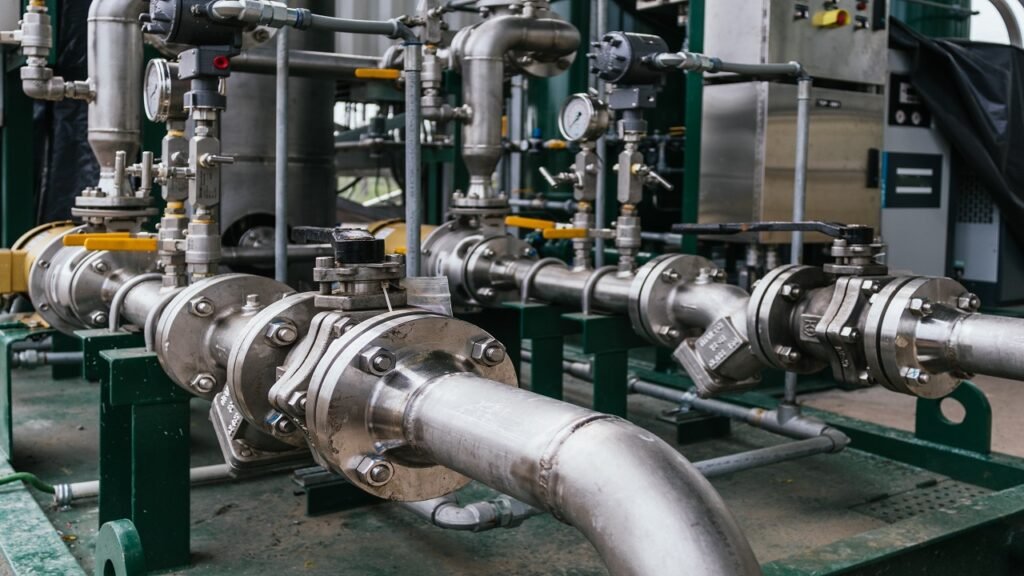

Managing a water system is a complex responsibility. Utilities must provide reliable service while dealing with aging infrastructure, changing water demand, limited resources, maintenance needs, and unexpected disruptions. Making the right decisions requires more than looking at individual pipes, pumps, or treatment facilities. Utilities need to understand how the entire system works together.
Water system modeling provides a practical way to do this. By creating a digital representation of a water distribution system, utilities can analyze how water moves through their networks, evaluate different operating conditions, identify potential weaknesses, and test proposed improvements before investing in construction. This allows decision-makers to rely on data and analysis when planning the future of their water infrastructure.
What Is Water System Modeling?
Water system modeling uses specialized computer software to represent the physical and operational characteristics of a water system. Depending on the purpose of the model, it may include pipes, pumps, valves, tanks, reservoirs, treatment facilities, pressure zones, and other important components.
The model uses information such as pipe sizes, elevations, water demands, operating conditions, and system configurations to simulate how the network behaves.
Once a model is developed and properly calibrated, utilities can use it to evaluate different scenarios without making physical changes to the actual system.
For example, a utility can examine what happens when water demand increases, a pump is taken offline, a new development is connected, or a major pipeline is closed for maintenance.
Understanding How the Existing System Performs
One of the first benefits of water system modeling is gaining a better understanding of existing infrastructure.
Water utilities may operate systems that have developed over many years. Infrastructure may have been expanded in phases, and some areas may perform differently from what original designs anticipated.
A model can help utilities evaluate pressure, flow, storage, and other system conditions throughout the network.
This can reveal areas where pressure is too low, identify sections with limited capacity, or highlight infrastructure that may be contributing to operational challenges.
Having a clearer picture of existing conditions can help utilities determine which problems deserve attention first.
Planning for Population Growth
Communities grow, and water systems need to grow with them. New housing developments, businesses, industrial facilities, schools, and public infrastructure can all increase demand.
A system that performs adequately today may not have enough capacity to support future development.
Water system modeling allows utilities to add projected demands to a model and examine how future growth could affect system performance.
Planners can evaluate whether existing pipes, pumps, storage facilities, and treatment systems are likely to meet future requirements.
This information can support long-term capital planning and help utilities identify infrastructure improvements before capacity problems become urgent.
Testing Infrastructure Improvements Before Construction
Water infrastructure projects can require substantial investment. Utilities therefore need to understand whether a proposed improvement will actually solve the problem it is intended to address.
Modeling allows utilities to test potential solutions before construction begins.
Suppose a neighborhood is experiencing low water pressure. Several options might be available, including installing a larger pipeline, modifying pump operations, adding storage, or changing pressure zones.
Each alternative can be evaluated within the model.
This comparison helps utilities understand the potential effects of different approaches and select solutions based on system performance rather than assumptions.
Improving Pressure Management
Maintaining appropriate water pressure is essential for reliable service.
Low pressure can affect customers and fire protection, while excessive pressure can increase leakage and place additional stress on infrastructure.
Water system modeling can help utilities understand pressure conditions throughout their networks.
By examining different demand levels and operating scenarios, utilities can identify pressure problems and evaluate potential improvements.
This can also help utilities optimize operations and avoid unnecessary infrastructure upgrades when operational changes may provide an effective solution.
Supporting Emergency Preparedness
Water systems can be affected by unexpected events such as major pipe breaks, pump failures, power outages, equipment problems, or sudden increases in demand.
Modeling gives utilities an opportunity to prepare for these situations before they happen.
For example, a utility can simulate the loss of a major pipeline or pump and evaluate how water pressures and flows change across the network.
The results can help identify vulnerable areas and support emergency response planning.
Utilities may also use these insights to determine whether additional connections, storage, backup equipment, or operational strategies are needed to improve system reliability.
Evaluating Water Conservation Strategies
Conservation programs can change water demand across a service area. While reducing demand can help protect supplies, utilities still need to understand how changes in usage affect system operations.
Water system modeling can help utilities evaluate different demand scenarios.
For instance, planners can compare current water use with projected demand after conservation measures are implemented. They can then examine how changes may affect pumping, storage, pressure, and other system conditions.
This information can help utilities develop conservation programs while maintaining reliable service.
Supporting Better Capital Improvement Planning
Utilities often face more infrastructure needs than available funding. As a result, prioritizing capital improvements is essential.
Water system modeling can provide useful technical information for deciding where investments may have the greatest impact.
Instead of looking only at the age or condition of individual assets, utilities can consider how infrastructure affects overall system performance.
A model may show that improving one pipeline or pump could resolve multiple operational problems, while another project may have a smaller system-wide benefit.
This can help utilities develop more strategic capital improvement programs.
Making Operations More Efficient
Modeling is not limited to long-term infrastructure planning. It can also support day-to-day operational decisions.
Utilities can evaluate different pump schedules, storage strategies, pressure settings, and other operating conditions.
Understanding how these changes affect the broader system can help utilities improve efficiency while maintaining service levels.
Better operational planning can potentially reduce energy consumption, improve equipment performance, and extend the useful life of infrastructure.
Supporting Data-Driven Decision-Making
A model is most valuable when it is based on reliable information.
Utilities can use field data, flow measurements, pressure records, asset information, water demand data, and operational observations to develop and calibrate their models.
This creates a stronger connection between digital analysis and actual system performance.
Modeling does not replace engineering judgment or field experience. Instead, it provides another tool for combining technical knowledge with data and evaluating possible outcomes.
Preparing Water Systems for the Future
Water utilities face increasingly complex challenges. Population growth, aging infrastructure, changing demand, environmental pressures, and extreme weather can all influence how systems need to operate.
Water system modeling gives utilities a way to prepare for these challenges proactively.
By simulating different conditions, testing alternatives, identifying vulnerabilities, and evaluating future needs, utilities can make more informed decisions about infrastructure and operations.
The goal is not simply to create a detailed digital model. The real value comes from using that model to answer practical questions and support decisions that improve reliability, efficiency, and resilience.
Making Better Water Infrastructure Decisions
Water system modeling can transform complex infrastructure information into useful insights. It helps utilities understand current system performance, prepare for future growth, evaluate improvement alternatives, manage pressure, plan for emergencies, and prioritize investments.
Most importantly, it allows utilities to explore potential outcomes before committing significant resources.
As water systems become more challenging to manage, having the ability to test scenarios and make decisions based on evidence can provide a significant advantage. When combined with accurate data, experienced professionals, and thoughtful planning, water system modeling can help utilities build and operate water networks that are more reliable, efficient, and prepared for the future.