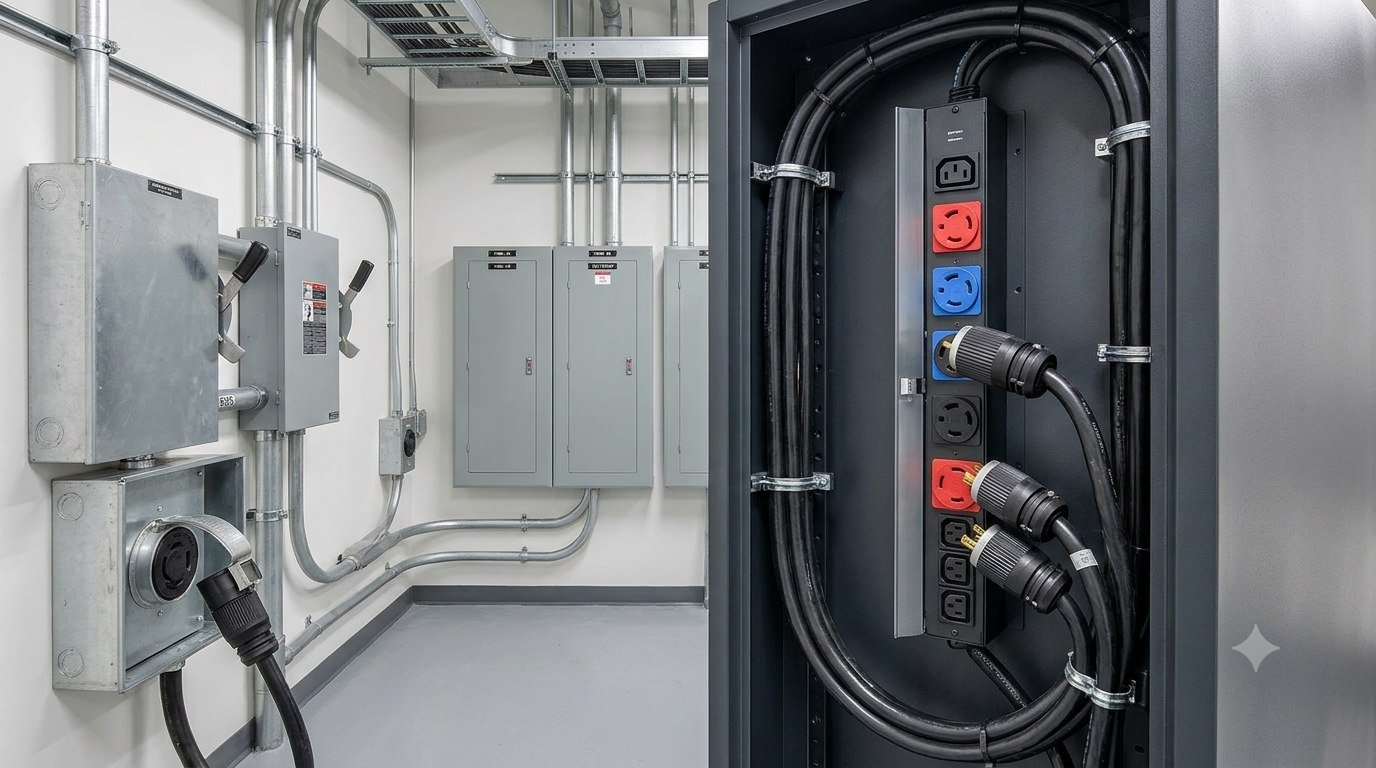
Even the most advanced uninterruptible power supply or high-capacity transformer means very little if the physical connection points at the end of the circuit fail. In commercial buildings, industrial plants, and high-density server rooms, loose plug blades, cracked outlet housings, and overheated wire terminals cause far more day-to-day electrical headaches than major utility blackouts. Whether an electrician is terminating a 30-amp twist-lock receptacle under a raised floor or connecting a high-amperage whip to feed a critical rack PDU (Power Distribution Unit), hardware durability at the point of connection decides whether power flows smoothly or drops unexpectedly. Cooper Wiring Devices—now part of Eaton’s comprehensive electrical connectivity portfolio alongside trusted heritage lines like Arrow Hart—are engineered specifically to solve these real-world installation and reliability challenges.
When facilities cut corners with light-duty commercial outlets in demanding environments, continuous electrical loads, vibration from cooling fans, and frequent plug insertions quickly wear down cheap brass contacts. Over time, weak contact tension increases electrical resistance, creating dangerous heat buildup that melts plastic faces and trips breakers. Industrial and specification-grade wiring devices eliminate these weak links through reinforced glass-filled nylon bodies, multi-leaf nickel-plated contacts, and color-coded locking mechanisms.
Below is a practical, problem-solving guide showing how Cooper Wiring Devices strengthen electrical installations, speed up contractor labor, prevent accidental disconnections, and protect mission-critical power chains from the wall box all the way to the server cabinet.
1. Solving Loose Connections and Contact Overheating
The number one silent killer of electrical reliability is high-resistance heating at the plug-and-receptacle interface. Whenever current passes through a worn or poorly tensioned metal contact, electrical resistance converts wasted energy directly into heat. In continuous-duty applications like data centers, hospitals, and manufacturing floors, that heat gradually oxidizes metal surfaces and degrades wire insulation until a failure occurs.
Multi-Leaf Nickel-Plated Brass Contacts
Standard residential or light-duty outlets rely on thin, two-sided metal clips that lose their spring tension after just a few plug insertions. Industrial and hospital-grade receptacles from Cooper Wiring Devices use heavy-gauge 5-leaf nickel-plated brass line contacts.
-
Consistent Clamping Pressure: Five independent contact points grip plug blades firmly from multiple angles, maintaining low electrical resistance even after hundreds of mating cycles.
-
Lower Temperature Rise: Tighter surface-to-surface contact keeps operating temperatures cool under continuous 80% National Electrical Code (NEC) loads.
-
Corrosion Resistance: Nickel plating protects the underlying brass alloy from oxidation in humid mechanical rooms, washdown zones, or coastal facilities.
Back-and-Side Wire Clamping Terminals
Wrapping solid or stranded copper wire around a standard terminal screw often leads to loose connections if a technician fails to torque the screw properly. Specification-grade receptacles feature internal brass pressure plates with tapered lead-in slots. Electricians simply strip the wire, slide it straight into the back-wire clamp, and tighten the terminal screw—creating a vibration-proof, gas-tight mechanical bond that will not back out over years of thermal expansion and contraction.
2. Preventing Accidental Unplugging in High-Vibration Spaces
In server halls, broadcast studios, and industrial control rooms, high-speed cooling fans, nearby air handlers, and heavy machinery create constant mechanical vibration. Standard straight-blade plugs can slowly work their way loose from vertical outlets, causing sudden single-cord power drops or intermittent arcing.
Industrial Locking Plugs and Receptacles (NEMA L-Series)
To secure critical power feeds—such as the main input whip feeding a cabinet’s power strip or remote transfer switch—engineers rely on NEMA locking devices (such as L5-30, L6-30, L15-30, and L21-30 plugs and connectors).
-
Twist-and-Lock Security: Once inserted, a quick clockwise twist locks the curved blades firmly behind internal metal shoulders, making it physically impossible for vibration or incidental cable tug to pull the plug out.
-
Color-Coded Voltage Identification: One of the fastest ways to prevent costly wiring mistakes during crowded installations is visual clarity. Modern Arrow Hart and Cooper locking devices incorporate six standardized IEC 60309 color codes molded directly into the connector housings. Technicians can verify circuit voltage at a glance—distinguishing 120V, 208V, 240V, 277V, 480V, and 600V lines immediately without squinting at tiny stamped text in dark under-floor plenums.
Watertight Pin-and-Sleeve Devices and Mechanical Interlocks
For ultra-high-amperage connections (60A, 100A, or 125A+) or environments exposed to moisture, dust, and washdown spray, pin-and-sleeve connectors provide ruggedized protection. Many watertight pin-and-sleeve units carry IP69K certification and pair with mechanical interlock switches. A mechanical interlock prevents a technician from inserting or removing a heavy power plug while the switch is energized—eliminating dangerous arc-flash exposure during equipment swaps.
3. Surviving Physical Impact and Harsh Operating Environments
Electrical outlets installed on warehouse columns, loading docks, laboratory benches, and mechanical rooms take constant physical abuse from rolling carts, dropped tools, and chemical cleaners. Cracked plastic faces expose live internal busbars, creating immediate shock hazards and OSHA compliance violations.
Glass-Reinforced Nylon and Chemical-Resistant Housings
Instead of brittle urea or standard thermoplastic plastics, heavy-duty industrial wiring devices use glass-reinforced nylon bases paired with high-impact, chemical-resistant nylon faces.
-
Impact Endurance: Survives heavy drops, cord yanks, and accidental cart collisions without shattering.
-
High Heat Deflection: Glass-filled nylon maintains structural rigidity at elevated ambient temperatures without warping or softening.
-
One-Piece Integral Grounding Straps: Rather than riveting separate ground clips onto a thin steel frame—which can loosen and break the ground path—industrial receptacles use a thick, single-piece brass or galvanized steel mounting strap with an integral ground contact. This guarantees continuous ground integrity even under severe mechanical stress.
4. Built-In Code Compliance and Life-Safety Protection
Modern electrical codes—including the National Electrical Code (NEC) and UL 498 / UL 943 standards—continue to expand requirements for personnel protection, tamper resistance, and surge suppression.
Self-Testing GFCI and AFCI Receptacles
Wherever outlets sit near water sources, cooling condensate lines, rooftops, or outdoor mechanical yards, Ground Fault Circuit Interrupter (GFCI) protection is mandatory. Modern specification-grade GFCI receptacles include automatic self-testing diagnostics that periodically verify internal trip electronics behind the scenes. If a fault occurs or the device reaches end-of-life, an LED indicator alerts maintenance staff immediately and denies power rather than leaving users unprotected.
Isolated Ground and Surge-Suppressing Receptacles
Sensitive instrumentation, laboratory analyzers, and point-of-sale terminals are vulnerable to high-frequency electrical noise traveling along building conduit ground paths.
-
Isolated Ground (IG) Receptacles: Identified by their signature orange faces or orange triangle markings, IG receptacles separate the outlet’s ground contacts from the metal mounting yoke. This lets electricians run a dedicated, noise-free insulated ground wire straight back to the main transformer bonding point.
-
Point-of-Use Surge Protection: Receptacles with integrated Metal Oxide Varistors (MOVs) clamp localized voltage spikes right at the wall, providing a final layer of defense alongside upstream panel surge arresters.
5. Cutting Contractor Installation Time and Eliminating Callbacks
For electrical contractors and facility maintenance teams, labor hours represent the largest cost in any installation. Hardware designed with installer-friendly features reduces fatigue, speeds up trim-out schedules, and eliminates expensive return trips.
Practical Features That Speed Up Field Work
-
Tri-Head Combination Screws: Terminal and mounting screws accept slotted, Phillips, and Robertson (square-drive) bits interchangeably, letting electricians apply maximum torque without driver cam-out.
-
Auto-Grounding Clips: Built-in brass grounding clips on the mounting strap automatically bond the receptacle to grounded metal junction boxes, eliminating the need to fabricate and wire separate bonding jumpers.
-
Captive Mounting Screws and Wallplate Screw-Catch: Longer, wider mounting straps with captive screws prevent hardware from dropping inside wall cavities, while alignment features hold wallplate screws steady for rapid cover installation.
-
Pre-Wired Modular Pigtail Systems (ArrowLink): On large commercial buildouts, modular connectorized wiring systems allow electricians to snap pre-terminated receptacles directly onto building wiring harnesses in seconds—cutting trim-out labor by up to 50% compared to manual stripping and taping.
Wiring Device Grade Selection Matrix
Choosing the right specification grade ensures you neither under-build critical circuits nor overspend on low-stress areas. Use this comparison guide when preparing project bills of materials:
| Device Grade | Typical Rating & Standards | Key Construction Features | Best-Fit Applications |
| Standard / Residential Grade | UL 498 basic compliance | Standard thermoplastic body; basic 2-leaf brass contacts; riveted ground strap | Low-use office spaces, residential rooms, light-duty convenience outlets |
| Commercial Specification Grade | UL 498 & Federal Spec WC-596 | Impact-resistant nylon face; side/back wire clamps; reinforced mounting strap | Schools, retail stores, corporate office floors, general commercial corridors |
| Industrial Specification Grade | UL 498, Fed Spec WC-596, IEC 60309 | Glass-reinforced nylon; 5-leaf nickel-plated contacts; one-piece integral ground strap; color-coded locking housings | Data centers, manufacturing lines, server room whips, mechanical rooms |
| Hospital Grade (“Green Dot”) | UL 498 Hospital Grade certified | Passed abrupt plug-removal tests, high-impact drop tests, and maximum blade retention force | Patient care rooms, surgical suites, diagnostic labs, mission-critical life-safety circuits |
Step-by-Step Field Checklist for Reliable Wiring Installations
Follow these five practical steps during electrical rough-in and trim-out to prevent connection failures:
-
Match the Device Grade to the Duty Cycle: Never install standard commercial outlets on continuous-duty server whips, industrial machinery, or high-cycle workbenches; mandate Industrial Specification Grade or Locking devices.
-
Use Color-Coded Locking Devices for Multi-Voltage Rooms: Standardize on color-coded NEMA locking plugs and receptacles so technicians can immediately tell 120V, 208V, and 480V circuits apart during maintenance.
-
Torque Every Terminal Screw to Spec: Always use a calibrated torque screwdriver on receptacle and plug terminals—loose screws cause localized arcing and heat buildup under heavy loads.
-
Verify Proper Grounding and Polarity Before Energizing: Test every circuit with a circuit analyzer to confirm low-impedance ground continuity and verify that Isolated Ground (orange) circuits are not accidentally shorted to metal junction boxes.
-
Inspect Cord Grips and Strain Reliefs: On cord-connected plugs and connectors, tighten external cord clamps firmly around the outer cable jacket so physical pulls never tug on internal copper wire terminations.
Frequently Asked Questions
What is the difference between Commercial Grade and Industrial Specification Grade receptacles?
Commercial Grade receptacles are built for moderate daily use in offices, schools, and retail buildings. Industrial Specification Grade receptacles feature significantly thicker brass contacts (often 5-leaf nickel-plated designs), glass-reinforced nylon bodies that resist high heat and harsh chemicals, and one-piece integral grounding straps engineered to withstand continuous high-amperage loads and heavy physical abuse.
Why do Hospital Grade receptacles have a green dot on the face?
The green dot signifies that the receptacle has passed rigorous UL 498 Hospital Grade testing—including abrupt angled plug-removal tests, heavy crushing impact tests, and strict blade-retention force checks. Because of their extreme mechanical durability, many data centers and industrial facilities specify green-dot receptacles for critical non-locking circuits.
How do color-coded locking devices prevent electrical mistakes?
In facilities running multiple voltages side by side, plugging a 120V device into a 208V or 480V circuit causes immediate equipment destruction. Color-coded locking plugs and receptacles follow standardized IEC 60309 voltage color schemes (such as yellow for 120V, blue for 208V, and red for 480V), allowing electricians and IT staff to identify circuit voltage instantly before making a connection.
When should an installation use an Isolated Ground (orange) receptacle?
Isolated Ground receptacles should be used when powering sensitive electronic equipment—such as audio/video consoles, laboratory instruments, or specialized telecom gear—that suffers from electromagnetic interference or ground-loop noise traveling along standard metal electrical conduits. The orange outlet isolates the ground pin from the mounting yoke so it connects exclusively to a dedicated, clean insulated ground wire.
Why are back-wire clamping plates better than wrap-around terminal screws?
Wrapping stranded wire around a screw head often causes individual copper strands to splay outward, reducing current-carrying capacity and increasing fire risk. Back-wire clamping plates compress stripped conductors flat between two solid brass surfaces when the screw is tightened, creating a uniform, high-pressure connection that resists loosening from thermal cycling and vibration.
Reliable electrical infrastructure depends on the strength of every individual connection point from the main switchgear down to the final equipment plug. By specifying industrial-grade locking devices, multi-leaf nickel-plated contacts, glass-reinforced nylon housings, and code-compliant protection devices, electrical teams eliminate hot spots, prevent accidental disconnections, and cut long-term maintenance callbacks. When building out commercial facilities, industrial plants, or high-density server rooms, pair ruggedized field wiring devices with custom-engineered power distribution equipment manufactured by Voltz for end-to-end operational dependability.