Introduction
Electromagnetic interference testing is an essential process for ensuring that electronic and electrical devices operate reliably without creating unwanted electromagnetic disturbances or experiencing interference from other equipment. As modern technology becomes increasingly connected, electronic products must meet strict electromagnetic compatibility requirements to function safely and efficiently. From consumer electronics and medical equipment to automotive systems and industrial machinery, electromagnetic interference (EMI) testing helps manufacturers identify potential problems before products reach the market.
Whether developing a new electronic device or preparing an existing product for regulatory approval, understanding EMI testing procedures, standards and benefits is crucial. Proper testing can improve product performance, reduce technical risks and help businesses meet applicable regulatory requirements.
What Is Electromagnetic Interference Testing?
Electromagnetic interference testing is the process of evaluating how electronic equipment generates, receives and responds to unwanted electromagnetic energy. Electromagnetic interference occurs when electrical signals or electromagnetic fields disrupt the normal operation of another electronic device.
EMI can originate from various sources, including power supplies, motors, wireless transmitters, switching circuits, electrical cables and nearby electronic equipment. These disturbances may cause signal distortion, unexpected shutdowns, communication failures or inaccurate measurements.
The primary purpose of electromagnetic interference testing is to determine whether a product produces excessive electromagnetic emissions or is vulnerable to interference from external sources.
Testing generally focuses on two important areas:
- Conducted emissions: Measures unwanted electromagnetic energy travelling through electrical power or signal cables.
- Radiated emissions: Measures electromagnetic energy transmitted through the air by electronic equipment.
Evaluating both areas helps manufacturers identify potential interference problems and improve overall product reliability.
Why Is Electromagnetic Interference Testing Important?
Electronic devices rarely operate in isolation. Modern environments contain computers, wireless networks, industrial equipment, communication systems and countless other electronic products. Without appropriate electromagnetic compatibility, these devices may interfere with one another.
Electromagnetic interference testing offers several important benefits.
1. Improves Product Reliability
Unwanted electromagnetic energy can affect electronic circuits, processors, sensors and communication interfaces. Testing helps identify interference problems that could cause unexpected behaviour, performance issues or equipment failure.
2. Supports Regulatory Compliance
Many countries require electronic products to meet specific electromagnetic compatibility and emissions requirements before they can be marketed. EMI testing helps manufacturers evaluate their products against applicable regulatory standards.
For example, products sold in the United States may need to comply with relevant Federal Communications Commission (FCC) requirements, while products entering European markets may need to satisfy applicable EMC requirements under European legislation.
3. Reduces Product Development Costs
Identifying electromagnetic interference problems during the design stage is generally more cost-effective than correcting them after manufacturing begins. Early testing allows engineers to make improvements before production, helping reduce redesign expenses and certification delays.
4. Protects Sensitive Equipment
Medical devices, telecommunications equipment, automotive electronics and industrial control systems can be particularly sensitive to electromagnetic disturbances. Proper testing helps ensure that equipment operates reliably within its intended electromagnetic environment.
Common Electromagnetic Interference Testing Procedures
A structured testing procedure helps engineers identify different types of electromagnetic disturbances and determine whether a product meets the relevant requirements.
Conducted Emissions Testing
Conducted emissions testing evaluates unwanted electrical signals travelling through power and signal connections. These disturbances may spread through connected cables and affect other equipment sharing the same electrical network.
Engineers commonly use a Line Impedance Stabilisation Network (LISN) to provide a defined measurement impedance and isolate external electrical noise. A spectrum analyser or EMI receiver then measures the emissions across the required frequency range.
Radiated Emissions Testing
Radiated emissions testing measures electromagnetic energy released into the surrounding environment.
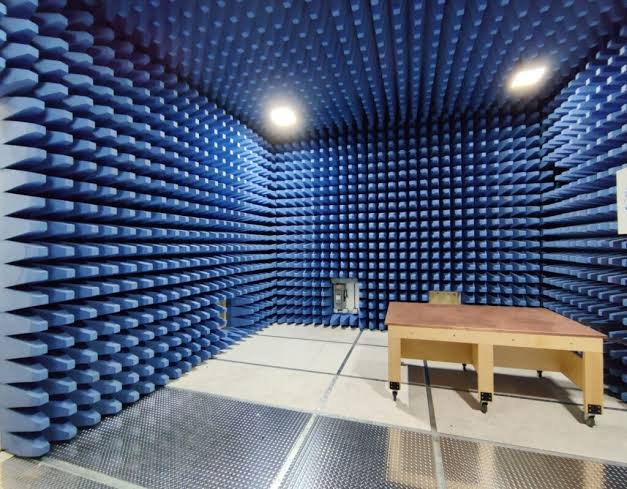
The equipment under test is operated in a controlled environment, such as a semi-anechoic chamber or an appropriately configured open-area test site. Measuring antennas and EMI receivers detect emissions at specified distances and frequencies.
The results are compared with applicable regulatory limits to determine whether the product meets the required emission criteria.
Conducted Immunity Testing
Conducted immunity testing determines how well a device withstands electromagnetic disturbances entering through connected cables. Engineers may introduce controlled electrical disturbances to evaluate whether the equipment continues operating correctly.
Radiated Immunity Testing
Radiated immunity testing exposes electronic equipment to controlled electromagnetic fields. This helps determine whether external radio-frequency energy affects the product’s operation.
These tests are particularly important for devices used in environments containing wireless communication systems, industrial transmitters and other sources of electromagnetic energy.
Equipment Used for EMI Testing
Accurate electromagnetic interference testing requires specialised equipment designed to generate, detect and measure electromagnetic disturbances.
Common testing equipment includes:
- EMI receivers: Measure electromagnetic emissions across specified frequency ranges.
- Spectrum analysers: Identify unwanted frequency components and analyse signal characteristics.
- LISNs: Provide controlled impedance conditions for conducted emissions measurements.
- Antennas: Detect radiated electromagnetic emissions and support immunity testing.
- RF signal generators: Produce controlled radio-frequency signals for immunity evaluations.
- Amplifiers: Increase signal power when higher electromagnetic field strengths are required.
- Anechoic chambers: Provide controlled environments that reduce unwanted electromagnetic reflections.
Using calibrated equipment and suitable testing environments is essential for obtaining reliable and repeatable results.
Important EMI Testing Standards and Regulations
Electromagnetic interference testing must follow standards appropriate to the product category, intended market and operating environment.
Some commonly referenced standards and regulatory frameworks include:
FCC Part 15: Establishes requirements for radio-frequency devices in the United States, including applicable limits and equipment authorisation provisions.
CISPR Standards: Published by the International Special Committee on Radio Interference, these standards address electromagnetic disturbance measurement and limits for different equipment categories.
IEC 61000 Series: Covers electromagnetic compatibility requirements, including emissions, immunity and testing methods.
EN 55032: Addresses electromagnetic emissions from multimedia equipment.
EN 55035: Specifies electromagnetic immunity requirements for multimedia equipment.
Manufacturers should identify the correct standards before testing because requirements vary according to product type, intended application and target market.
How to Prepare a Product for Electromagnetic Interference Testing
Preparation can significantly improve testing efficiency and reduce the likelihood of compliance failures.
First, identify the product’s operating modes, power requirements, interfaces and intended installation environment. Engineers should review applicable standards and determine which tests are necessary.
Next, prepare a representative production configuration. This includes using appropriate cables, power supplies, accessories and software settings.
The equipment should be operated in conditions that represent its normal and relevant worst-case operating modes. Engineers can then perform preliminary measurements to identify potential emission problems before formal testing.
If the product exceeds applicable limits, corrective measures may include improved PCB layouts, shielding, grounding, filtering, cable management and component selection.
After implementing changes, engineers should repeat the relevant tests to verify that the improvements are effective.
Choosing a Professional EMI Testing Laboratory
Selecting an experienced EMI testing laboratory is important for manufacturers seeking accurate measurements and reliable compliance support.
Look for laboratories with appropriate accreditation, qualified engineers, calibrated equipment and experience testing products within your industry.
A professional laboratory should understand relevant FCC, CISPR, IEC and regional requirements. It should also provide clear test reports, explain identified compliance issues and help manufacturers understand possible corrective actions.
Working with experienced testing professionals early in product development can make the compliance process more efficient.
Conclusion
Electromagnetic interference testing plays a vital role in modern electronics manufacturing by helping ensure that electronic products operate reliably without generating excessive electromagnetic disturbances or suffering from external interference. Through conducted emissions, radiated emissions and immunity testing, manufacturers can identify potential problems, improve product performance and demonstrate compliance with applicable standards.
Investing in professional EMI testing during product development can reduce costly redesigns, support market access and strengthen customer confidence. For businesses developing electronic equipment, a comprehensive electromagnetic interference testing strategy is an important part of delivering safe, dependable and compliant products.
Frequently Asked Questions (FAQs)
1. What is the main purpose of electromagnetic interference testing?
Its main purpose is to identify unwanted electromagnetic emissions and evaluate whether electronic equipment can operate reliably in the presence of external electromagnetic disturbances.
2. What is the difference between EMI and EMC testing?
EMI testing focuses on electromagnetic emissions and interference susceptibility. EMC testing is broader and evaluates whether equipment can operate properly within its electromagnetic environment without causing unacceptable interference.
3. How long does electromagnetic interference testing take?
Testing duration depends on product complexity, applicable standards, the number of required tests and whether compliance issues are identified. Simple evaluations may take a few hours, while comprehensive testing can take several days or longer.
4. Which industries require EMI testing?
Industries involving electronics commonly require EMI testing, including medical devices, automotive electronics, telecommunications, consumer electronics, aerospace, industrial automation and information technology.
5. Can EMI testing help manufacturers achieve FCC compliance?
Yes. Appropriate EMI testing helps manufacturers evaluate applicable FCC requirements and identify potential emissions problems before completing the relevant equipment authorisation process.