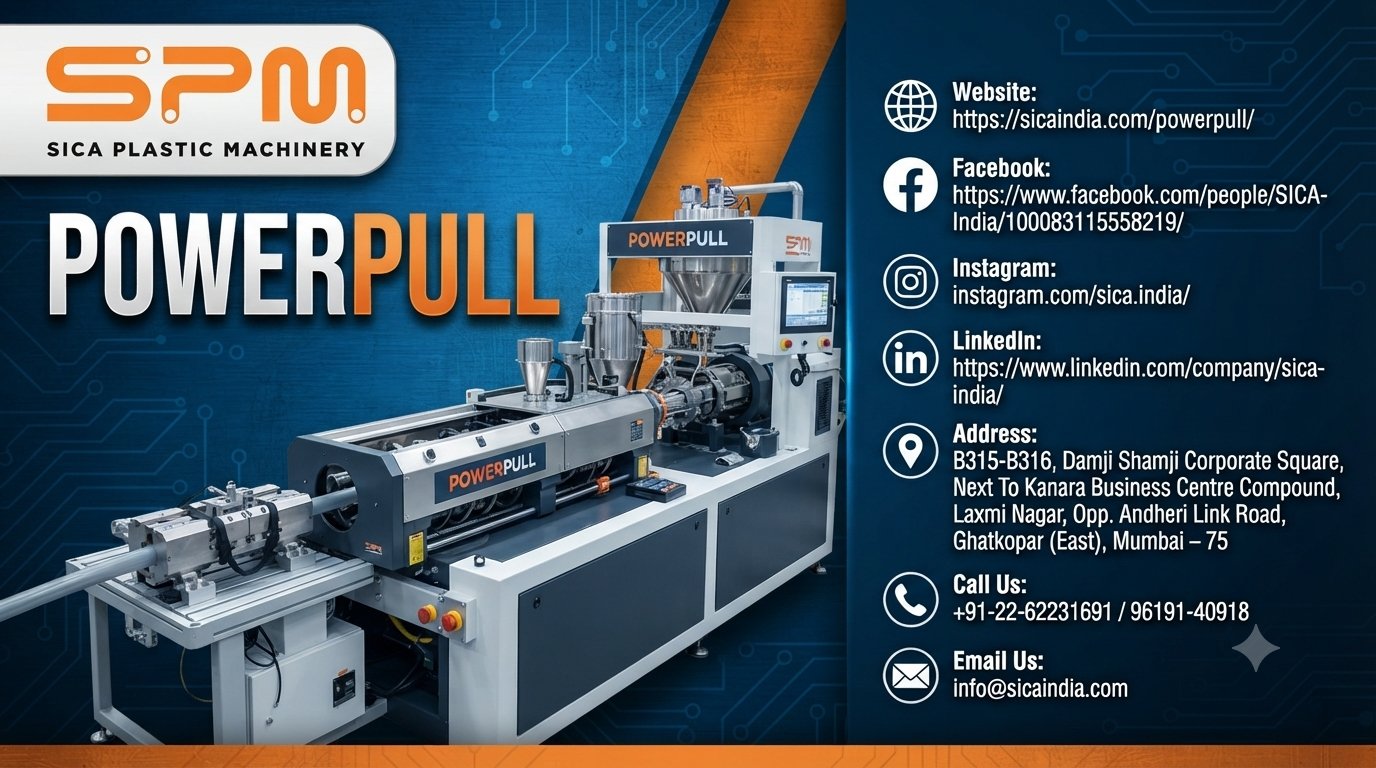
A powerpull is an indispensable hand-operated mechanical device engineered to lift, pull, drag, and tension heavy loads with minimal physical effort. Commonly referred to as a come-along winch, ratchet puller, or hand cable puller, this compact tool multiplies human strength through a simple yet highly effective ratcheting gear and lever mechanism. Whether working in construction, automotive repair, forestry, or agriculture, operators rely on a powerpull to move bulky objects where motorized cranes or heavy machinery cannot reach. Its portability, durability, and independent manual operation make it a foundational piece of equipment in any heavy-duty toolkit.
How a Powerpull Mechanism Works
Understanding the internal mechanics of a powerpull reveals why it can handle thousands of pounds of tension with just a few pumps of a handle. The tool operates using a calibrated mechanical advantage system that converts small, repetitive lever strokes into powerful linear pulling force.
- Ratchet Wheel and Pawl System: When the user pumps the long handle, a driving pawl engages the teeth of a central ratchet wheel, rotating the spool and winding the cable or strap. A secondary holding pawl locks the wheel in place between strokes, preventing the load from slipping backward.
- Aircraft-Grade Steel Cable or Webbing: High-tensile galvanized steel wire rope or heavy-duty polyester webbing winds tightly around the drum, transferring the pulling force directly to the attached load.
- Forged Safety Hooks: Equipped with spring-loaded safety latches at both the anchor end and the load end, these hooks prevent accidental detachment even if tension temporarily slackens.
- Leverage Handle: The extended steel handle provides the mechanical leverage required to move heavy weights smoothly without straining the operator.
Key Applications Across Industries
Because a powerpull requires no electricity, fuel, or hydraulic power, it is uniquely suited for remote job sites, emergency recovery, and tight indoor spaces.
- Automotive and Off-Road Recovery: Drivers use it to extract stuck vehicles from mud, snow, or ditches, as well as to align frames and pull engines during workshop repairs.
- Construction and Rigging: Contractors utilize the tool to position steel beams, tension guy wires, align structural frameworks, and hoist heavy building materials into place.
- Agriculture and Fencing: Farmers depend on a powerpull to stretch high-tensile wire fencing tightly across long distances, clear fallen timber, and haul farm equipment.
- Tree Removal and Landscaping: Arborists and landscapers safely guide the direction of falling trees, uproot stubborn stumps, and drag heavy logs across uneven terrain.
Essential Safety Tips for Using a Powerpull
Operating any high-tension pulling equipment demands strict adherence to safety protocols to prevent equipment failure or personal injury.
- Never Exceed the Rated Capacity: Always check the manufacturer’s working load limit stamped on the frame and never attempt to pull a load heavier than the tool is rated to handle.
- Inspect the Cable Before Every Use: Look closely for frayed strands, kinks, flattened areas, or rust on the wire rope, and replace damaged cables immediately before applying tension.
- Avoid Using Cheater Bars: Do not slide a pipe over the handle to gain extra leverage; the handle is designed to bend if overloaded, acting as a built-in safety warning.
- Maintain Minimum Cable Wraps: Ensure at least three full wraps of cable remain on the drum at full extension so the anchor clamp does not bear the entire load.
- Stand Clear of the Tension Line: Always position yourself to the side of the cable rather than directly behind or over it, minimizing risk in the event of a snap-back.
Choosing the Right Powerpull for Your Needs
Selecting the ideal model depends on the nature of your projects and the environments in which you work.
- Load Capacity: Choose a model rated between 1 ton and 4 tons depending on whether you are doing light fencing or heavy vehicle recovery.
- Single-Line vs. Double-Line Configuration: Double-line pullers include a snatch block pulley that doubles the pulling capacity while halving the reach distance.
- Cable vs. Strap Material: Opt for galvanized steel cable for abrasive, rugged environments, or choose non-conductive synthetic webbing when working near electrical lines or delicate surfaces.
Frequently Asked Questions (FAQs)
1. What is the difference between a powerpull and a chain hoist?
A powerpull typically uses steel wire rope or synthetic webbing and is designed primarily for horizontal pulling and tensioning, though some models are rated for vertical lifting. A chain hoist uses heavy-duty load chains and is specifically engineered for overhead vertical lifting and suspending loads safely.
2. Can a powerpull be used for vertical lifting?
Only certain heavy-duty models explicitly rated for overhead lifting by the manufacturer should be used vertically. Standard come-along pullers are built for horizontal dragging and tensioning and may lack the braking mechanisms required to safely suspend a load in mid-air.
3. How do I release tension safely on a powerpull?
To release tension gradually, hold the handle firmly, disengage the locking pawl mechanism one notch at a time using the thumb lever, and allow the handle to move forward slowly under control. Never trip the release lever all at once while the cable is under heavy load.
4. How should I maintain my powerpull to extend its lifespan?
Clean dirt and debris from the cable and gears after each use, apply light machine powerpull oil to the ratchet teeth and pivot points regularly, and store the tool in a dry environment with the cable neatly wound onto the drum.
Follow Us More Social Media Links:-
Follow Us On Facebook:- https://www.facebook.com/people/SICA-India/100083115558219/
Follow Us On Instagram:- https://www.instagram.com/sica.india/
Follow Us On Linkedin:- https://www.linkedin.com/company/sica-india/
Add:- B315-B316, Damji Shamji Corporate Square, Next To Kanara Business Centre Compound, Laxmi Nagar, Opp. Andheri Link Road, Ghatkopar (East), Mumbai 75
Call Us:- +91-22-62231691 / 96191-40918
Email Us:- info@sicaindia.com