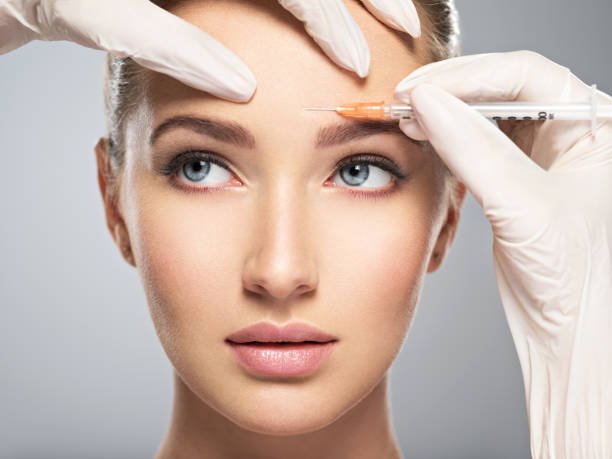
Botox is a widely used cosmetic treatment for reducing expression lines and improving the appearance of certain wrinkles. Although many people undergo the procedure without significant problems, it is important to understand that injectable treatments can cause side effects and, in some cases, complications. botox injections in riyadh should always be performed by a qualified medical professional who understands facial anatomy, appropriate injection techniques, and patient safety. Knowing what reactions may occur, how to recognize warning signs, and what factors influence treatment risks can help individuals make informed decisions before proceeding.
How Does Botox Work?
Botox is a purified form of botulinum toxin type A that temporarily reduces activity in selected muscles. It works by blocking the release of acetylcholine, a chemical messenger involved in muscle contraction. When the targeted muscles relax, the skin above them may appear smoother, particularly in areas affected by repeated facial expressions.
The treatment is commonly used for forehead lines, frown lines, and crow’s feet. It may also be used for certain medical conditions, such as excessive underarm sweating, when clinically appropriate.
Although Botox has an established history of medical and cosmetic use, its effects depend on the dose, injection location, individual health, and practitioner’s technique. Understanding these factors is essential for reducing avoidable risks.
Common Botox Side Effects
Most side effects associated with cosmetic Botox injections are temporary and occur around the treated area. Their severity can vary from person to person.
Redness and Swelling
Mild redness or swelling may appear around injection points shortly after treatment. These reactions are generally temporary and often settle without specific intervention.
Bruising
Small bruises can develop when a needle affects tiny blood vessels beneath the skin. Bruising may be more noticeable in people who are prone to it or take certain medications that affect blood clotting.
Tenderness and Discomfort
Some patients experience mild soreness, sensitivity, or discomfort around the injection sites. This usually improves as the area settles.
Headache
A temporary headache may occur after treatment. Patients should seek medical advice if a headache is severe, persistent, or accompanied by other concerning symptoms.
Temporary Muscle Weakness
Because Botox reduces muscle activity, temporary weakness can occur in the treated area. This is part of its intended mechanism, but excessive or unintended weakness may affect normal facial movement.
Possible Botox Complications
Although less common than minor injection-site reactions, certain complications can have a noticeable effect on appearance or function.
Eyelid or Eyebrow Drooping
Botox can sometimes affect nearby muscles responsible for supporting the eyelid or raising the eyebrows. This may cause temporary drooping or an uneven appearance. Accurate injection placement and appropriate dosing are important for reducing this risk.
Facial Asymmetry
Differences in muscle response or product placement can create uneven facial movement. A qualified practitioner should assess facial anatomy and expressions before treatment to help minimize this possibility.
Unnatural Facial Expressions
Excessive muscle relaxation may make it difficult to create certain facial expressions. This can occur when too much product is used or when treatment is not adequately tailored to the patient’s muscle strength and facial structure.
Difficulty With Normal Mouth Movements
Injections around the mouth require particular care because the muscles in this area support speaking, drinking, smiling, and other everyday activities. Unwanted muscle weakness may temporarily interfere with these functions.
Rare but Serious Risks to Understand
In rare cases, the effects of botulinum toxin may spread beyond the intended treatment area and cause symptoms similar to those associated with botulism. These reactions can develop hours to weeks after injection.
Warning signs may include:
- Difficulty swallowing.
- Difficulty speaking clearly.
- Generalized muscle weakness.
- Double or blurred vision.
- Drooping eyelids.
- Difficulty breathing.
Difficulty breathing or swallowing requires immediate medical attention. Patients should not wait for these symptoms to resolve on their own.
Serious complications are uncommon with appropriately administered treatment, but patients should understand the warning signs before receiving injections.
Factors That May Increase the Risk of Side Effects
Individual health and treatment circumstances can influence the likelihood of unwanted reactions. A medical consultation helps identify potential concerns before proceeding.
Important factors include:
- Medical conditions: Certain neuromuscular disorders may increase the risk of complications.
- Medications: Some medicines, including particular muscle relaxants and drugs affecting nerve-muscle communication, may interact with Botox.
- Previous reactions: A history of allergy or an adverse response to botulinum toxin should be discussed.
- Injection technique: Incorrect placement or unsuitable dosing can increase the possibility of unwanted muscle weakness.
- Treatment quality: Using an appropriately authorized product and receiving treatment from a qualified professional are important safety considerations.
Patients should provide a complete medical history and disclose all prescription medicines, over-the-counter products, and supplements they use. They should not stop prescribed medication without consulting their healthcare provider.
How to Reduce the Risk of Botox Complications
Choosing an appropriately qualified practitioner is one of the most important steps in improving treatment safety. The practitioner should understand facial anatomy, evaluate muscle movement, and select injection sites and doses according to individual needs.
Patients can take several precautions:
- Attend a consultation before treatment.
- Discuss allergies, medical conditions, and previous cosmetic procedures.
- Confirm that the product is authorized and obtained through appropriate medical channels.
- Ask about possible side effects and expected results.
- Follow the practitioner’s personalized aftercare instructions.
- Contact a healthcare professional if unusual or persistent symptoms develop.
Patients should avoid receiving injections from unqualified providers or attempting to use injectable products independently.
What Should You Do If You Experience Side Effects?
Mild redness, swelling, bruising, or tenderness may improve naturally. However, patients should contact their treating practitioner if symptoms become more pronounced, persist longer than expected, or cause concern.
Unexpected eyelid drooping, significant facial weakness, or difficulty with normal mouth movements should be medically assessed. Emergency symptoms such as breathing or swallowing difficulties require immediate medical care.
It is also important to remember that Botox results are temporary, but this does not mean every complication will resolve without medical evaluation. Prompt professional advice is the safest approach when unusual symptoms occur.
Is Botox Safe for Everyone?
Botox may be suitable for many adults, but it is not appropriate for every individual. People with certain neuromuscular conditions, allergies to the product or its ingredients, or infections at the intended injection site may need to avoid treatment or undergo further assessment.
Botox is generally not recommended during pregnancy or breastfeeding because adequate safety information is unavailable. A qualified healthcare professional can review individual circumstances and explain whether treatment is appropriate.
Make Informed Treatment Decisions at Royal Clinic Saudia
Understanding potential side effects and complications is an essential part of deciding whether an injectable treatment is right for you. Botox Injections in Riyadh should involve a careful medical assessment, appropriate product selection, and a personalized treatment plan that considers individual health and facial anatomy. At Royal Clinic Saudia, patients can discuss their concerns, learn about possible risks, and receive professional guidance before proceeding. Making an informed decision about Botox Injections in Riyadh helps patients approach cosmetic treatment with realistic expectations and a stronger focus on safety.