

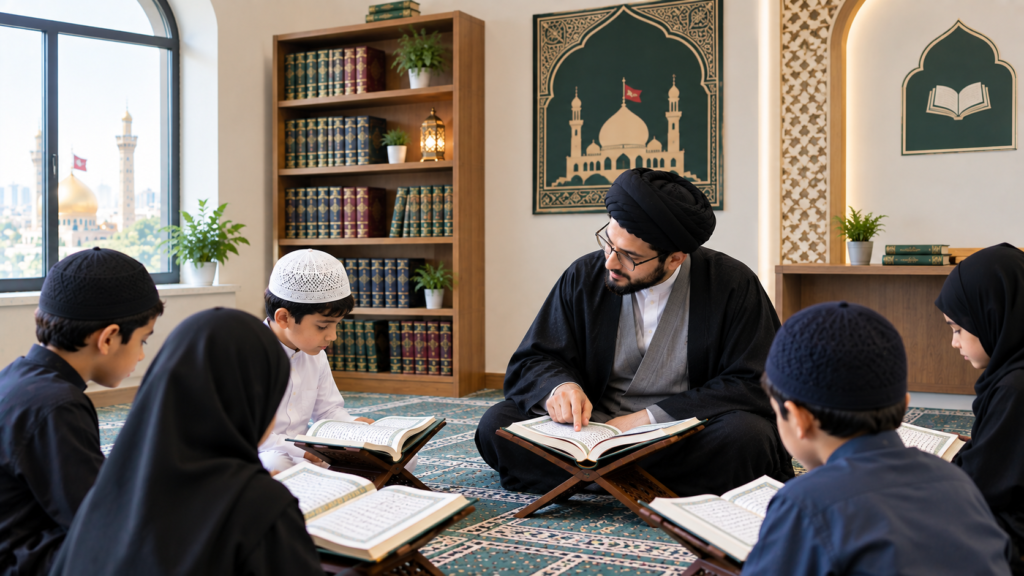

Regular practice outside formal lessons can play an important role in Quran learning. Students may understand a new concept during a class, but continued practice can help them remember it and apply it more comfortably during recitation. A Shia Quran Center can support this process by giving students clear practice tasks, revision guidance, and feedback between lessons.
Many online Shia Quran programs use one-to-one instruction and personalized learning plans, allowing teachers to recommend practice according to a student’s level and goals.
Why Home Practice Matters
Quran learning is a gradual process. Reading, pronunciation, Tajweed, and memorization all require repetition. Relying only on lesson time may not provide enough opportunities to reinforce newly learned skills.
Home practice allows students to revisit material while it is still fresh. It can also help them identify areas they find difficult so they can ask their teacher about them during the next lesson.
A simple routine might include:
- Reviewing the previous lesson
- Reading selected verses aloud
- Practicing difficult Arabic letters
- Revising Tajweed rules
- Reviewing memorized passages
- Preparing material for the next class
The amount of practice can vary according to the student’s age, ability, and available time.
Setting Clear Practice Goals
Students may find it difficult to practice independently if they do not know what to focus on. A teacher can make home study more manageable by assigning specific tasks.
For example, instead of asking a student to “practice Quran,” the teacher could recommend reading a particular Surah, reviewing a specific Tajweed rule, or repeating selected verses.
Clear goals help students use their practice time more effectively and make it easier to see what they have accomplished.
How a Shia Quran Center Can Guide Beginners
Beginners often need more direction when practicing at home. They may still be learning Arabic letters, basic reading patterns, or pronunciation.
A teacher can provide simple exercises that match the student’s current ability. The student can then repeat these exercises at home before moving to more advanced material.
Some Shia Quran programs offer beginner courses such as Qaida or foundational Quran reading before students progress toward fluent recitation and Tajweed.
Practicing Quran Pronunciation
Pronunciation is an area where regular home practice can be especially useful. Students need repeated exposure to Arabic sounds to become more familiar with them.
A student can practice difficult letters or words that the teacher identified during the lesson. They can then read the same material again during the next class, allowing the teacher to check whether the pronunciation has improved.
This creates a useful cycle:
Learn → Practice → Receive feedback → Correct → Practice again
Over time, this process can help students become more aware of their pronunciation.
Applying Tajweed During Home Reading
Tajweed should not remain limited to theoretical explanations. Students need opportunities to apply what they learn while reading actual Quranic verses.
After learning a Tajweed rule, a teacher can assign passages where that rule appears frequently. The student can practice those verses at home and try to apply the rule during recitation.
During the following lesson, the teacher can listen and identify whether the student is applying the rule correctly.
Supporting Quran Memorization
Home practice is also important for students working on Hifz. Memorized material needs regular revision to remain familiar.
A teacher can divide memorization practice into manageable portions. Students may review recently learned verses first and then spend additional time revising older passages.
A structured Shia Quran program may combine new memorization with revision and teacher monitoring to help students maintain previously learned material.
Using Short Practice Sessions
Students do not always need a long study session to practice effectively. Short, focused sessions can be easier to maintain, especially for children and busy adults.
For example, a student might spend:
- 10 minutes reviewing a previous lesson
- 10 minutes practicing recitation
- 5 minutes reviewing a Tajweed rule
The exact schedule can be adjusted according to the student’s circumstances. Consistency is often easier to maintain when practice fits naturally into the daily routine.
Keeping a Record of Difficult Areas
Students can also keep track of mistakes or topics they find difficult. This gives them specific questions to bring to their teacher.
A simple practice note might include:
| Area | Practice Focus |
|---|---|
| Pronunciation | Difficult Arabic letters |
| Tajweed | Recently learned rule |
| Reading | Selected verses |
| Memorization | Previous portion |
| Revision | Last lesson |
This can turn home practice into a more focused learning activity.
Teacher Feedback Connects Home Practice With Lessons
Independent practice becomes more useful when students receive feedback on what they have practiced.
During the next class, the teacher can listen to the student’s recitation and identify improvements or remaining difficulties. If a particular issue continues, the teacher can demonstrate it again and assign additional practice.
One-to-one Quran lessons can support this process because teachers can adjust future exercises according to the student’s actual performance.
Creating a Regular Home Learning Routine
A consistent routine can make Quran practice easier to maintain. Students can choose a practical time of day and reserve it for reading, revision, or memorization.
The routine does not have to be complicated. What matters is having a clear connection between formal lessons and independent practice.
For children, parents can help by providing a quiet study space and reminding them about their assigned practice. Adults may prefer to connect Quran practice with an existing part of their daily schedule.
Conclusion
A Shia Quran Center can help students practice Quran at home by providing clear assignments, manageable goals, revision plans, and regular teacher feedback. Home practice gives learners additional opportunities to strengthen pronunciation, apply Tajweed, improve reading, and review memorized material.
When classroom learning and home practice work together, students can develop a more consistent Quran learning routine and gradually strengthen the skills they learn during their lessons.