

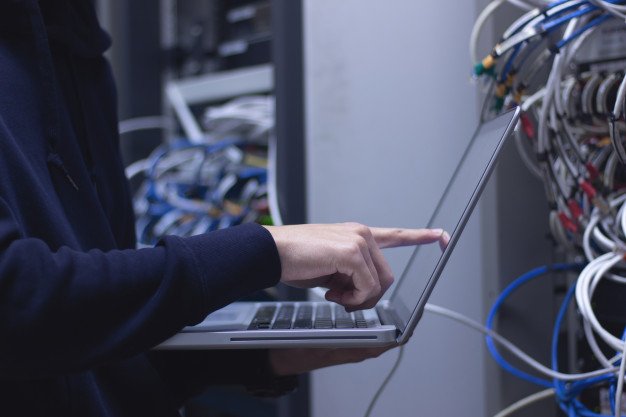

Network infrastructure is the foundation of modern business operations. Employees depend on networks to access applications, communicate with colleagues, use cloud platforms, transfer files, serve customers, and perform everyday tasks. When the network becomes unreliable, productivity can quickly decline and IT costs can rise.
The challenge for businesses is to maintain dependable connectivity without allowing networking expenses to grow uncontrollably. The right combination of planning, monitoring, security, automation, and professional support can help organizations overcome network challenges while keeping IT overhead under control.
Understand How Network Issues Increase Costs
Network problems do more than interrupt connectivity. A slow or unstable network can cause employees to waste time waiting for applications, repeatedly reconnecting devices, or contacting the help desk.
IT teams are also affected. Technicians may spend hours troubleshooting recurring problems, replacing equipment, investigating security alerts, or responding to unexpected outages.
These indirect costs are often overlooked when companies calculate their networking expenses. Therefore, businesses should consider both direct infrastructure costs and the productivity losses associated with poor network performance.
Establish a Proactive Maintenance Strategy
Reactive network management can become expensive. Waiting until a device fails or employees report an outage often means that IT teams are working under pressure.
A proactive maintenance strategy changes this approach. Regular health checks, firmware updates, configuration reviews, capacity assessments, and equipment inspections can identify weaknesses before they cause serious disruption.
Scheduled maintenance is also easier to budget than emergency repairs. Organizations can plan upgrades and replacements according to business priorities instead of reacting to unexpected failures.
Use Centralized Network Visibility
Managing network devices individually can become difficult as infrastructure expands. Multiple offices, remote workers, cloud applications, wireless networks, and security devices create a complex environment.
Centralized monitoring provides IT teams with a broader view of network performance. Administrators can identify which devices are experiencing problems and determine whether an issue affects a specific location, application, or the entire organization.
Better visibility reduces troubleshooting time and can help prevent minor performance problems from developing into major outages.
Reduce Unnecessary Technology Spending
Businesses sometimes purchase additional hardware or bandwidth without first determining whether the existing infrastructure is being used efficiently.
Before making new investments, organizations should analyze current network utilization. They can examine bandwidth consumption, device capacity, application traffic, and user behavior.
This assessment may reveal that some equipment is underutilized while other components are overloaded. Reallocating resources or optimizing configurations can sometimes solve performance problems without major capital expenditure.
A data-driven approach ensures that technology purchases address actual business requirements.
Improve Wi-Fi Performance
Wireless connectivity has become essential in many workplaces. Poor Wi-Fi coverage can result in slow applications, dropped connections, and employee frustration.
Organizations should evaluate access point placement, wireless interference, coverage areas, device density, and network capacity. Simply adding more access points is not always the answer.
A properly designed wireless network can provide better performance while avoiding unnecessary equipment purchases. Regular assessments are especially important in offices where employee numbers or workspace layouts change frequently.
Secure Remote and Cloud Connectivity
The growth of remote work and cloud applications has changed traditional network requirements. Employees may connect from homes, branch offices, public networks, and mobile devices.
Businesses need secure methods for accessing corporate resources from these locations. Virtual private networks, secure access technologies, multi-factor authentication, firewalls, and identity-based controls can help protect connections.
Security should be designed alongside performance rather than treated as a separate concern. A network that is fast but poorly protected can expose an organization to much greater costs through security incidents.
Automate Network Management
Automation can help organizations reduce the amount of manual effort required to maintain network infrastructure.
Routine tasks such as configuration deployment, device discovery, performance checks, backups, and alert management can often be automated. This reduces repetitive administrative work and improves consistency.
Automation also helps reduce human errors. A simple configuration mistake can cause widespread connectivity problems, so standard automated processes can provide significant operational value.
Build a Clear Network Documentation Process
Poor documentation can increase troubleshooting costs. When network diagrams, configurations, device inventories, and access information are incomplete, technicians may spend additional time determining how systems are connected.
Organizations should maintain accurate documentation covering important network components and their relationships.
Documentation should be updated whenever major infrastructure changes are made. This ensures that new IT staff or external support teams can understand the environment quickly when assistance is required.
Evaluate Managed IT Support
Businesses with small internal IT departments may struggle to maintain complex network environments. Hiring additional specialists may not always be financially practical, particularly when specialized networking expertise is needed only periodically.
Managed IT and network services can provide access to experienced professionals, monitoring capabilities, troubleshooting, security management, and maintenance without requiring an organization to build a large internal team.
For some businesses, outsourcing selected network responsibilities can provide a more predictable cost structure while improving access to technical expertise.
Create a Long-Term Network Lifecycle Plan
Network equipment should not be replaced only after it fails. Businesses should maintain a lifecycle plan that identifies when routers, switches, firewalls, access points, and other critical devices are approaching the end of their useful life.
A lifecycle strategy allows organizations to budget for replacements gradually. It also reduces the risk of unexpected outages caused by obsolete equipment.
When planning replacements, businesses should consider performance requirements, security capabilities, vendor support, scalability, and expected growth.
Track Results and Continuously Improve
Network optimization should be treated as an ongoing process. Businesses should regularly review network performance and financial metrics to determine whether improvements are producing measurable benefits.
Useful measurements include downtime, incident frequency, help desk tickets, response times, bandwidth utilization, maintenance costs, and security events.
These measurements help IT leaders identify where additional improvements are needed and determine whether technology investments are delivering meaningful business value.
Conclusion
Businesses do not necessarily need to increase their IT budgets to improve network reliability. They can often overcome network challenges by managing existing resources more effectively, monitoring infrastructure proactively, improving security, automating repetitive tasks, maintaining accurate documentation, and planning infrastructure upgrades strategically.
The key is to move away from reactive network management and adopt a proactive, business-focused approach. When network performance, security, and costs are managed together, organizations can reduce unnecessary IT overhead while creating a stronger foundation for growth.
A reliable network is not simply an IT expense. It is an operational asset that supports employee productivity, customer service, business continuity, and long-term competitiveness.