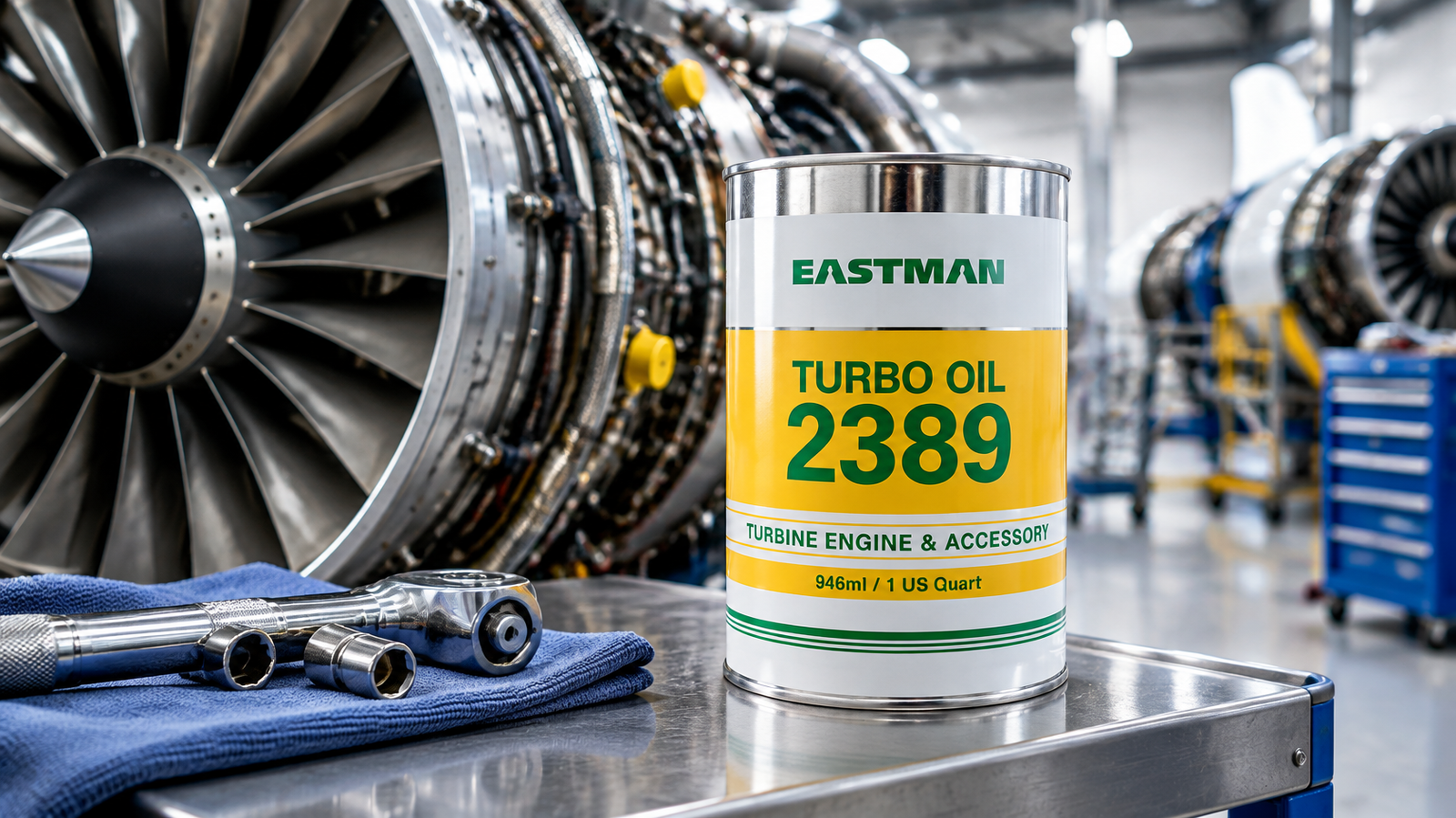
Industrial turbines are essential components in power generation, manufacturing, oil and gas, and other heavy-duty operations across the UAE. These machines often operate continuously under high temperatures, heavy loads, and demanding environmental conditions. To maintain reliable performance, selecting the right turbine oil is extremely important.
The correct lubricant helps reduce friction, control operating temperatures, prevent corrosion, and protect critical turbine components from premature wear. However, with different turbine oil formulations and performance specifications available, choosing the right product can be challenging. Understanding your equipment requirements and operating conditions can help you make an informed decision while reducing maintenance costs and unexpected downtime.
1. Understand Your Turbine Type and Application
The first step in selecting turbine oil is identifying the type of turbine used in your facility. Different turbine systems have different lubrication requirements.
Common industrial turbine applications include:
- Steam turbines: Require oils with excellent oxidation stability, rust protection, and water separation properties.
- Gas turbines: Often operate under elevated temperatures and require lubricants with strong thermal and oxidation stability.
- Hydro turbines: Need reliable lubrication and protection against corrosion, particularly in environments where moisture exposure is common.
- Industrial power generation turbines: Require consistent lubricant performance to support continuous operation and equipment reliability.
Always check the equipment manufacturer’s recommendations before selecting a turbine lubricant. Using an unsuitable oil can affect equipment efficiency and shorten component service life.
2. Check Viscosity Requirements
Viscosity is one of the most important characteristics of turbine oil. It determines how easily the lubricant flows and maintains a protective film between moving components.
If the oil is too thick, it may increase resistance and affect circulation. If it is too thin, it may not provide sufficient lubrication under operating conditions.
Common turbine oil viscosity grades include ISO VG 32, ISO VG 46, and ISO VG 68. The appropriate grade depends on turbine design, operating temperature, speed, and manufacturer specifications.
For UAE industrial facilities, where high ambient temperatures can influence operating conditions, selecting the correct viscosity grade is particularly important.
3. Evaluate Oxidation and Thermal Stability
Industrial turbines may operate for extended periods without interruption. During operation, turbine oil is exposed to heat and oxygen, which can gradually cause oxidation.
Oxidation may lead to sludge formation, varnish deposits, increased acidity, and reduced lubrication performance.
When evaluating turbine oil, look for:
- Excellent oxidation resistance.
- High thermal stability.
- Resistance to sludge and deposit formation.
- Long-term lubricant performance.
- Protection against rust and corrosion.
High-quality turbine oils are formulated to maintain their properties over extended operating periods, helping reduce maintenance requirements and improve equipment reliability.
4. Consider Water Separation and Air Release Properties
Water contamination is a common concern in industrial lubrication systems. Moisture can enter through condensation, cooling systems, or maintenance activities.
Water contamination may cause corrosion, reduce lubrication effectiveness, and contribute to premature equipment wear.
A suitable turbine oil should offer excellent demulsibility, which is its ability to separate water from oil. Good air-release properties are equally important because trapped air can contribute to foaming, unstable lubrication, and operational problems.
These characteristics are particularly valuable in industrial environments where consistent turbine operation is essential.
5. Follow Industry Standards and OEM Recommendations
Not every turbine oil is suitable for every machine. Before purchasing, review the manufacturer’s technical specifications and relevant industry standards.
Important considerations include:
- ISO viscosity classification.
- DIN 51515 requirements for turbine oils.
- ASTM testing methods for oxidation stability and water separation.
- Original Equipment Manufacturer (OEM) approval or recommendations.
Reviewing the product’s Technical Data Sheet (TDS) helps you compare viscosity, oxidation stability, demulsibility, rust protection, and other performance characteristics.
Never select a lubricant based only on its viscosity grade or price.
6. Choose Reliable Lubricant Suppliers in UAE
Selecting the right product is only part of an effective lubrication strategy. Working with dependable lubricant suppliers in UAE is equally important.
Industrial buyers should evaluate suppliers based on product authenticity, technical knowledge, availability, and after-sales support.
Consider the following factors before choosing a supplier:
- Genuine products: Ensure lubricants are sourced through authorized and reliable distribution channels.
- Technical assistance: Choose suppliers who can help identify suitable turbine oil specifications for your equipment.
- Product availability: Consistent stock availability helps prevent interruptions in maintenance schedules.
- Documentation: Check for product specifications, technical data sheets, and safety data sheets.
- Industry experience: Suppliers familiar with industrial lubrication requirements can provide more informed product recommendations.
Working with an experienced lubricant supplier can simplify purchasing decisions and support better equipment maintenance.
7. Monitor Oil Condition Through Regular Testing
Even premium-quality turbine oil requires regular monitoring. Oil analysis helps identify contamination, oxidation, and changes in lubricant properties before they develop into serious equipment problems.
Important oil analysis parameters include viscosity, acid number, water content, particle contamination, and oxidation levels.
Establishing a routine oil monitoring program allows maintenance teams to make informed decisions about filtration, dehydration, and oil replacement.
Rather than changing turbine oil based only on a fixed schedule, condition-based monitoring can help facilities manage lubricant life more effectively.
Conclusion
Choosing the right turbine oil for industrial applications requires careful consideration of turbine type, viscosity, operating temperature, oxidation stability, water separation, and OEM specifications. For UAE industries, selecting lubricants suitable for demanding operating environments is essential for maintaining equipment reliability and operational efficiency.
Working with experienced lubricant suppliers in UAE also ensures access to genuine products, technical guidance, and consistent supply.
Frequently Asked Questions (FAQs)
1. What is turbine oil used for in industrial applications?
Turbine oil lubricates bearings and other moving components in steam, gas, and hydro turbines. It helps reduce friction, dissipate heat, prevent corrosion, and protect equipment against wear.
2. Which viscosity grade is commonly used for turbine oil?
ISO VG 32, ISO VG 46, and ISO VG 68 are commonly used turbine oil viscosity grades. The correct grade depends on equipment design, operating conditions, and OEM recommendations.
3. How often should turbine oil be replaced?
Turbine oil replacement intervals depend on operating conditions, oil quality, contamination levels, and equipment manufacturer recommendations. Regular oil analysis helps determine whether the lubricant remains suitable for continued use.
4. How do I find reliable lubricant suppliers in UAE?
Look for lubricant suppliers offering genuine products, technical documentation, product availability, and technical support. Check whether they understand industrial turbine lubrication requirements and can recommend products according to OEM specifications.