Trade shows give businesses an opportunity to meet potential customers, introduce products, build professional relationships, and generate new sales opportunities. However, attracting visitors to an exhibition booth is only the first step. Exhibitors also need a clear strategy to turn booth traffic into qualified leads.
A successful booth experience combines visual communication, product demonstrations, staff interaction, and a simple lead capture process. Instead of treating booth space as a place to display products, businesses can use it as an active marketing environment designed to encourage meaningful conversations and collect valuable prospect information.
1. Design Your Booth Around Visitor Engagement
The first impression of an exhibition booth can influence whether attendees stop, continue walking, or become interested in a brand. Clear messaging, visible branding, and an inviting presentation help visitors understand what a company offers.
Effective trade show booth design should communicate the business’s primary message within a few seconds. Instead of filling every available surface with text, exhibitors can prioritize a recognizable logo, a short value proposition, product visuals, and a clear reason for visitors to approach.
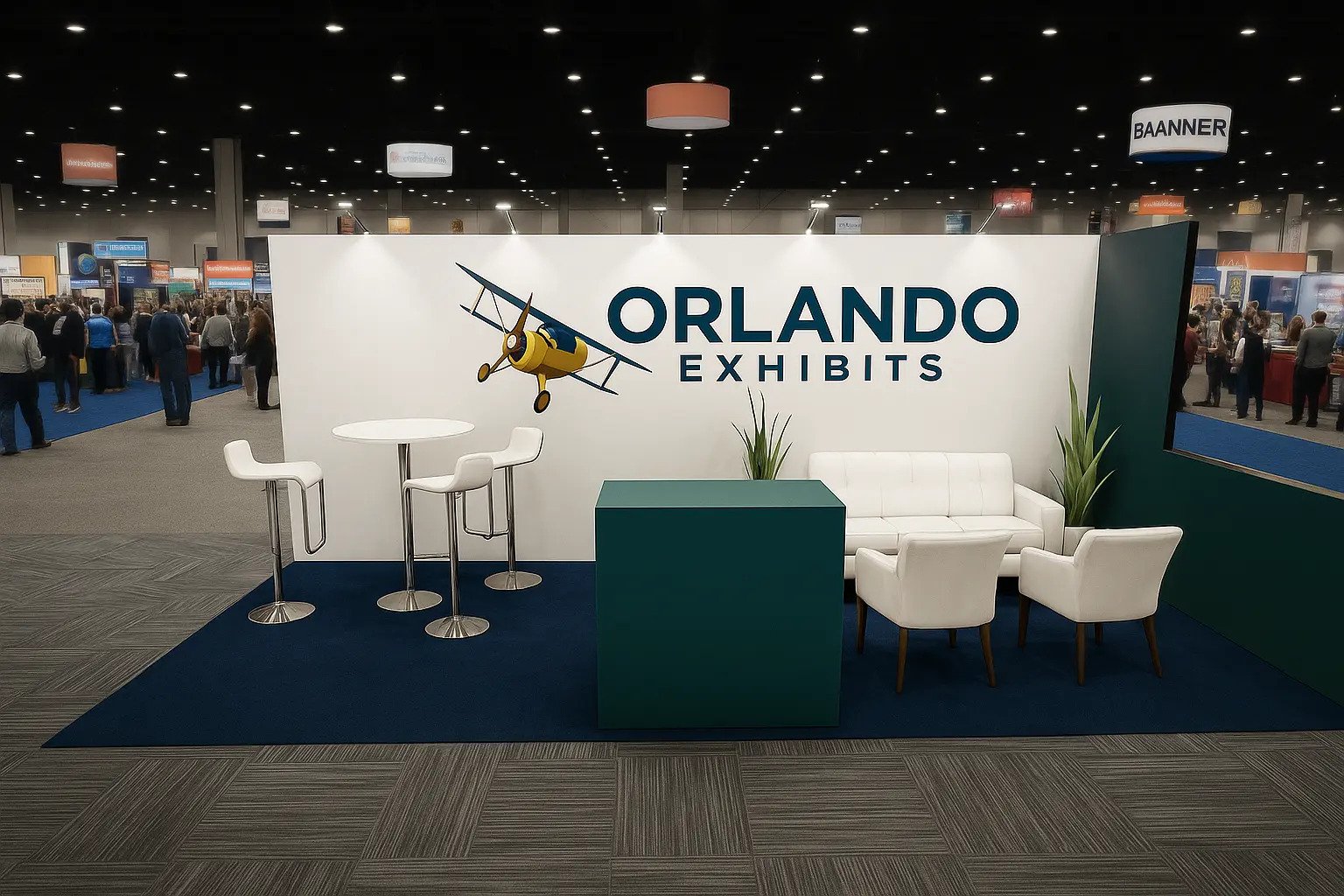
An open entrance, accessible product displays, and strategically positioned counters can also encourage interaction. Businesses planning an event in Orlando may consider trade show booth design Orlando services to create an exhibit that supports their marketing objectives while making the brand easy to recognize across a busy exhibition floor.
2. Create a Dedicated Product Demonstration Area
Product demonstrations are an effective way to attract attendees who want to understand how a product or service works. A live demonstration gives visitors something practical to observe and creates opportunities for staff to answer questions.
A demonstration area should be easy to identify and positioned so it does not obstruct the main visitor flow. Depending on the product, exhibitors may use display counters, screens, equipment, sample products, or interactive presentations.
For example, a technology company can demonstrate software features on a monitor, while a manufacturing business can present product samples or explain equipment functions. These experiences give visitors a reason to spend more time at the booth and provide staff with opportunities to identify prospects with genuine interest.
3. Use Visual Displays to Communicate Your Value
Exhibition visitors often make quick decisions about which booths deserve their attention. Strong visual communication helps businesses stand out and explain their offerings without requiring attendees to read lengthy descriptions.
A professional trade show display rental can support this goal through branded backwalls, product graphics, illuminated displays, digital screens, counters, and other visual elements. Graphics should highlight the company’s main benefit, product category, or solution rather than presenting too much information at once.
Businesses can also use screens to show customer testimonials, product videos, case studies, or short presentations. These elements can create interest and give booth staff a starting point for conversations.
The objective is not simply to make the booth attractive. Every visual element should help communicate a message that encourages the right audience to engage.
4. Add Interactive Experiences to Encourage Participation
Interactive booth experiences can help visitors move from passive observation to active participation. Depending on the company’s industry and audience, exhibitors may introduce product trials, quizzes, consultations, sample testing, demonstrations, or digital experiences.
These activities can encourage attendees to provide their contact information in exchange for participating, receiving product details, accessing a demonstration, or entering a relevant promotional activity.
However, interactive experiences should relate to the company’s products or services. An activity that attracts large crowds but has little connection to the target audience may generate contact details without producing meaningful sales opportunities.
A well-planned interaction gives visitors a reason to engage while helping exhibitors identify people who are interested in their offerings.
5. Make Lead Capture Simple and Convenient
Generating interest is valuable only when exhibitors have a way to continue the conversation after the event. Lead capture should therefore be part of the booth experience from the beginning.
Businesses can collect visitor information through digital forms, QR codes, badge scanners, tablets, business cards, or event lead retrieval systems. The process should be quick and convenient so visitors are not discouraged by unnecessary questions.
Useful information may include:
- Visitor name and company
- Email address and contact details
- Product or service of interest
- Business requirements
- Expected purchasing timeline
- Preferred follow-up method
Rather than collecting information from everyone indiscriminately, booth staff should focus on prospects who match the company’s target audience. This approach helps organize contacts for follow-up and makes it easier to prioritize sales opportunities after the event.
6. Train Booth Staff to Qualify Prospects
Booth staff play an important role in converting visitor interest into business opportunities. Friendly greetings, relevant questions, product knowledge, and attentive listening can make conversations more productive.
Staff should avoid immediately delivering lengthy sales presentations to every attendee. Instead, they can begin with simple questions such as:
- What brings you to this event?
- Are you currently looking for a solution in this category?
- What challenges are you trying to address?
- When are you planning to make a purchasing decision?
These questions help identify visitor needs and determine the appropriate next step. Some attendees may need product information, while others may be ready for a meeting, quotation, or sales consultation.
A prepared team can also help manage booth traffic, maintain the demonstration area, and ensure interested visitors have a clear path to speak with the right representative.
7. Choose an Exhibit That Supports Your Marketing Goals
The booth itself should support the activities exhibitors plan to conduct. Product demonstrations, networking meetings, presentations, and lead collection may require different features and arrangements.
Businesses looking for custom trade show exhibits Orlando can consider exhibit elements such as branded graphics, demonstration counters, product shelving, meeting spaces, monitor displays, lighting, and storage. The selection should reflect the company’s products, audience, and event objectives.
For exhibitors preparing for events in Orlando, working with an exhibit rental provider can help coordinate booth design, graphics, equipment, transportation, and installation requirements. Orlando exhibit rental services can also help businesses plan their exhibit around the venue, event schedule, and available booth space.
A well-prepared exhibit gives staff the environment they need to engage visitors and conduct productive conversations.
8. Follow Up With Leads After the Event
Lead generation does not end when the exhibition closes. Timely follow-up is essential for maintaining the interest created during booth conversations.
Exhibitors should organize contacts based on their needs, interests, and purchasing timelines. A visitor who requested a product quotation may require a different follow-up than someone who attended a demonstration or requested general information.
A useful follow-up process may include:
- Sending a personalized email referencing the booth conversation
- Sharing relevant product information or brochures
- Scheduling requested demonstrations or meetings
- Connecting qualified leads with the appropriate sales representative
- Updating the CRM with notes from the event
Personalized communication helps prospects remember the interaction and gives them a clear next step.
Conclusion
Turning exhibition booth space into a lead generation zone requires more than attracting attention. Businesses need a clear message, engaging product experiences, convenient lead capture, trained staff, and a structured follow-up plan.
When booth design and marketing activities work together, exhibitors can create meaningful visitor interactions and identify prospects who are more likely to become customers. A well-planned exhibit can support the entire process, from the first impression on the exhibition floor to the sales conversation that follows the event.