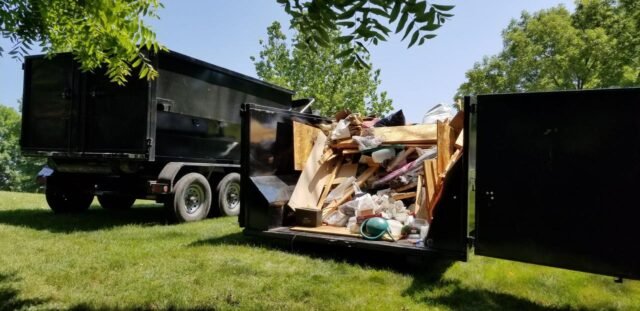
Maintaining a clean commercial property is an important part of creating a professional environment, supporting daily operations, and managing available space. Offices, retail locations, rental properties, warehouses, and other business facilities can accumulate unwanted furniture, packaging, outdated equipment, and renovation debris over time. Professional Junk Removal in Georgetown, KY can help businesses and property managers approach these cleanup challenges with a more organized waste management plan. ITS Innovative Trash Service – Dumpster Rentals & Demolition provides dumpster rental, demolition, and waste removal solutions for different property and project requirements.
For commercial property owners, junk removal is not simply about getting rid of unwanted items. It is also about maintaining usable spaces, planning maintenance activities, and ensuring that waste is handled appropriately. Businesses looking for commercial cleanup and waste removal solutions can benefit from understanding the available options before starting a project.
Why Commercial Properties Need a Planned Junk Removal Strategy
Businesses generate different types of waste depending on their industry and daily activities. An office may accumulate outdated desks, chairs, filing cabinets, and electronic equipment. A retail store may produce packaging waste, damaged displays, and unwanted fixtures. Construction and renovation projects can generate larger quantities of building materials and debris.
Without a clear waste management strategy, these materials can occupy valuable working space and interfere with routine operations.
A planned cleanup process helps businesses identify what needs to be removed, determine the appropriate disposal method, and schedule the work around operational requirements.
Commercial junk removal can be especially useful when a property is being renovated, relocated, reorganized, or prepared for a new tenant.
Common Commercial Cleanup Situations
Different commercial properties experience different cleanup challenges. Understanding these situations can help property managers plan their projects more effectively.
1. Office Furniture and Equipment Removal
Office environments often change as businesses grow, relocate, or update their interiors.
Old desks, conference tables, chairs, shelving units, storage cabinets, and other furniture may no longer fit the workplace layout.
Before arranging removal, businesses should review whether any furniture can be reused, donated, or transferred to another location.
Electronic equipment requires additional consideration. Computers, monitors, printers, and other devices may contain sensitive information or components that require specialized recycling. Businesses should securely remove data and follow applicable electronic waste disposal guidelines.
2. Retail Store Cleanouts
Retail businesses regularly update displays, shelving, fixtures, and storage arrangements. These changes can leave unwanted materials that need to be removed before the updated layout becomes operational.
A retail cleanout may involve:
- Outdated display units.
- Damaged shelving and counters.
- Old furniture and storage equipment.
- Packaging materials.
- Nonhazardous renovation debris.
- Unwanted inventory fixtures.
Organizing these materials by type helps prevent reusable products and equipment from being discarded unnecessarily.
3. Rental Property Turnovers
Landlords and property managers often face cleanup requirements when tenants move out.
Furniture, abandoned belongings, damaged fixtures, and accumulated debris may need attention before a property is ready for inspection or a new occupant.
A consistent turnover checklist can make the process easier. It should include an assessment of remaining items, identification of repair requirements, and a plan for removing materials that cannot be reused.
Property managers should also follow applicable lease terms and legal procedures before disposing of belongings left behind by former tenants.
4. Commercial Renovation and Remodeling
Renovation projects can produce significant amounts of waste. Removing old flooring, cabinets, drywall, fixtures, and other construction materials requires proper collection and disposal planning.
Commercial property owners should coordinate waste management with contractors before work begins.
This includes estimating debris volume, identifying restricted materials, arranging suitable collection equipment, and ensuring that waste does not obstruct entrances, walkways, or active work areas.
How Junk Removal Supports Business Operations
An organized commercial property can make routine activities more efficient. Removing unnecessary materials helps businesses use their available space more effectively.
Better Use of Workspace
Unwanted equipment and furniture can occupy areas that could otherwise support employees, customers, storage, or business operations.
Clearing unnecessary items helps create a more functional layout.
Improved Property Presentation
Clean and organized commercial spaces can create a more professional impression for visitors, clients, tenants, and employees.
This is especially relevant for retail locations, offices, and properties that are being marketed for lease or sale.
Easier Maintenance and Renovation
Removing accumulated debris allows maintenance teams and contractors to access the areas requiring repairs or upgrades.
It also helps businesses prepare workspaces before renovations begin.
More Organized Property Management
A planned waste removal process makes it easier for property managers to track cleanup requirements across multiple units or commercial locations.
Instead of handling every cleanup as an unexpected problem, businesses can include waste management in their regular property maintenance plans.
Choosing Between Commercial Junk Removal and Dumpster Rental
Commercial property owners should understand the difference between arranging junk removal and renting a dumpster.
Junk removal is generally suitable when a business has selected items that need to be collected and taken away. It may be useful during office furniture removal, retail cleanouts, and property turnovers.
Dumpster rental is often appropriate when a project produces debris over an extended period. Businesses can use a container to collect suitable materials as renovation, demolition, or property cleanup work progresses.
The decision depends on several factors:
Volume of waste: Larger projects may require a container with sufficient capacity.
Project duration: A renovation lasting several days may benefit from having a dumpster available throughout the work.
Type of materials: Different containers and disposal arrangements may have restrictions on accepted materials.
Available property space: Businesses should consider driveway access, parking, loading areas, and customer movement before arranging delivery.
Workplace schedule: Cleanup arrangements should be coordinated with normal business activities to minimize disruption.
Comparing these factors helps commercial property owners choose a solution that fits their operations.
Building a Commercial Waste Management Plan
An effective waste management plan should be established before unwanted materials begin accumulating.
Here are several steps businesses can follow:
- Conduct a property assessment: Inspect offices, storage rooms, loading areas, retail spaces, and other locations where unwanted materials may accumulate.
- Identify different waste categories: Separate furniture, recyclable materials, construction debris, electronic equipment, and potentially hazardous materials.
- Estimate the cleanup volume: Make a list of bulky items and approximate the amount of smaller debris.
- Set a cleanup schedule: Coordinate removal activities with contractors, employees, tenants, and property managers.
- Choose an appropriate disposal method: Determine whether collection services, dumpster rental, recycling facilities, or specialized disposal providers are needed.
- Review the results: Check whether the property has been cleared and whether any additional maintenance or waste management work remains.
A documented approach can also help businesses maintain consistency when managing multiple commercial locations.
Responsible Waste Disposal for Commercial Businesses
Businesses should consider environmental responsibility when planning property cleanouts.
Not all commercial waste belongs in the same container. Paper, cardboard, metals, certain plastics, electronics, and construction materials may have different recycling or disposal requirements.
For example, usable office furniture may be suitable for donation or resale. Cardboard packaging may be recyclable through an appropriate program. Electronic equipment may require certified electronic waste handling.
Paints, solvents, chemicals, batteries, and other potentially hazardous materials should not be mixed with ordinary commercial debris unless an authorized disposal process specifically permits it.
Businesses should check local disposal requirements and work with appropriate facilities or service providers to understand material restrictions.
Responsible waste management can reduce unnecessary disposal and support better long-term property maintenance practices.
How to Select a Commercial Junk Removal Provider in Georgetown, KY
Choosing a commercial waste removal provider requires evaluating the project’s actual needs rather than focusing on price alone.
Consider these important factors before making a decision.
Range of services: Determine whether the provider offers the required junk removal, dumpster rental, demolition, or debris cleanup services.
Material acceptance: Ask which materials can be collected and which require separate disposal arrangements.
Pricing transparency: Request an explanation of charges, rental periods, additional fees, and any restrictions.
Scheduling flexibility: Discuss the expected timeline and how cleanup activities can be coordinated with business operations.
Property access: Explain the property’s layout, loading arrangements, parking limitations, and any placement restrictions.
Experience with project requirements: Make sure the provider understands the nature of your commercial cleanup and can explain the available service options.
Businesses can also visit the official ITS Innovative Trash Service website to review its dumpster rental and demolition-related services when evaluating local cleanup options.
Getting these details in advance can help avoid confusion and improve project coordination.
Commercial Junk Removal Mistakes to Avoid
Poor planning can create unnecessary complications during commercial cleanouts.
Businesses should avoid:
- Beginning a renovation without arranging a debris management solution.
- Placing electronic waste in ordinary trash containers.
- Discarding tenant belongings without following applicable procedures.
- Underestimating the amount of accumulated commercial waste.
- Blocking emergency exits, loading zones, or customer access areas.
- Mixing restricted materials with general construction debris.
- Selecting a dumpster without checking its capacity and accepted materials.
A little preparation can make commercial cleanup projects more manageable and help protect normal business activities.
Frequently Asked Questions
1. What types of commercial properties can benefit from junk removal?
Offices, retail stores, warehouses, rental properties, commercial buildings, and other business facilities may benefit from planned junk removal when unwanted materials accumulate.
2. Can junk removal help with office relocation?
Yes. Office relocation often involves removing outdated furniture, damaged equipment, and unwanted storage materials. Businesses should organize sensitive documents and electronic devices before arranging removal.
3. Is dumpster rental useful for commercial renovation projects?
Dumpster rental can be useful when a renovation generates debris over multiple days. The appropriate container depends on the project’s waste volume, material types, and available placement space.
4. How should businesses handle electronic waste?
Businesses should securely erase sensitive data and use appropriate electronic waste recycling or disposal channels. Electronics should not automatically be mixed with general waste.
5. When should property managers schedule commercial cleanouts?
Cleanouts are commonly planned during tenant turnovers, renovations, office relocations, property upgrades, and periodic maintenance activities.
6. What should businesses ask before hiring a junk removal provider?
Ask about accepted materials, pricing, scheduling, disposal practices, service capabilities, and any special requirements for large or restricted items.
Conclusion
Commercial junk removal plays an important role in maintaining organized workplaces and functional properties. From office furniture removal and retail cleanouts to rental property turnovers and renovation debris management, a well-planned cleanup strategy can help businesses use their space more effectively.
The best approach begins with understanding the materials involved, estimating the cleanup volume, and selecting a waste management solution that matches the project’s requirements. For businesses and property owners in Georgetown, ITS Innovative Trash Service – Dumpster Rentals & Demolition is an option to consider for dumpster rental, demolition, and cleanup-related services. You can find the business on Google to explore its local business profile and plan your next commercial cleanup.