

Surgical procedures require precision, visibility, and a well-organized operating field. Therefore, surgeons rely on specialized instruments to maintain access to the surgical site and improve workflow. A self retaining retractor is an important surgical instrument designed to hold tissue apart without requiring continuous manual assistance. It helps surgeons maintain exposure, focus on the procedure, and work with greater convenience. Moreover, its adjustable design makes it a valuable instrument in various surgical settings where stable retraction is essential.
What Is a Self Retaining Retractor?
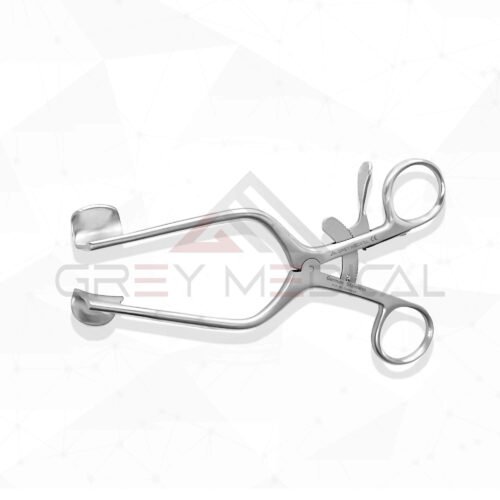
A self-retaining retractor is a surgical instrument that holds tissue, muscles, or wound edges apart after the surgeon positions it. Unlike handheld retractors, which require an assistant to maintain pressure, this instrument uses a locking mechanism, ratchet, or adjustable frame to keep the blades in place.
As a result, it can provide consistent exposure throughout a procedure. The surgeon can adjust the retractor according to the size of the incision and the area requiring visibility. Furthermore, its design helps reduce the need for constant manual repositioning, allowing the surgical team to work more efficiently.
Design and Features of a Self Retaining Retractor
The design of a self retaining retractor typically includes two or more blades, movable arms, and a locking mechanism. These components work together to maintain the desired tissue separation. Depending on the model, the retractor may feature curved, straight, or angled blades to accommodate different anatomical structures and surgical approaches.
Additionally, many retractors use stainless steel construction to provide durability, strength, and resistance to repeated sterilization. Their adjustable mechanisms allow the surgical team to control the opening while maintaining stable positioning. Consequently, surgeons can select an instrument that suits the procedure, incision size, and tissue requirements.
Applications in Surgical Procedures
Self-retaining retractors serve different purposes across surgical specialties. Surgeons use them in general surgery, orthopedic procedures, abdominal operations, and other interventions that require sustained access to the surgical field. For example, they may help hold incision edges apart during procedures involving deeper tissues.
Similarly, specialized retractor designs support access to particular anatomical areas. Smaller models may suit limited surgical spaces, while larger systems can provide broader exposure. However, the surgical team must select the appropriate instrument and position it carefully to avoid unnecessary pressure on surrounding tissues.
Benefits of Using Self Retaining Retractors
One major benefit of a self-retaining retractor is that it maintains tissue separation without continuous hand pressure. This feature can reduce reliance on an additional person for retraction and help the team organize its workflow. In addition, it allows the surgeon to use both hands for other tasks when the procedure requires it.
Another advantage is consistent exposure. Because the instrument locks into position, it can help maintain access throughout the procedure. Moreover, adjustable blades allow the surgical team to modify the opening when necessary. Proper selection and placement remain essential, since excessive tension may damage delicate tissue.
Quality and Instrument Maintenance
Reliable orthopedic surgery equipment support safe and efficient operating-room practices. Therefore, medical professionals should inspect retractors before and after use, checking their blades, joints, ratchets, and locking systems. Regular cleaning, proper sterilization, and careful storage help preserve instrument performance and extend service life.
Grey Medical® is a privately owned medical technology company dedicated to innovation and excellence in the craft of surgical instrument. The company emphasizes precision, quality craftsmanship, and dependable instrument design to meet the needs of medical professionals. Well-manufactured retractors can contribute to organized surgical preparation and consistent instrument handling.
Conclusion
A self retaining retractor plays an important role in maintaining surgical exposure, supporting workflow, and reducing the need for continuous manual retraction. Its adjustable blades and locking mechanism make it useful across various surgical specialties. Furthermore, selecting the right design, maintaining the instrument properly, and using it according to professional standards help support dependable performance. As surgical technology continues to evolve, retractors remain essential tools for precision, accessibility, and effective surgical practice.