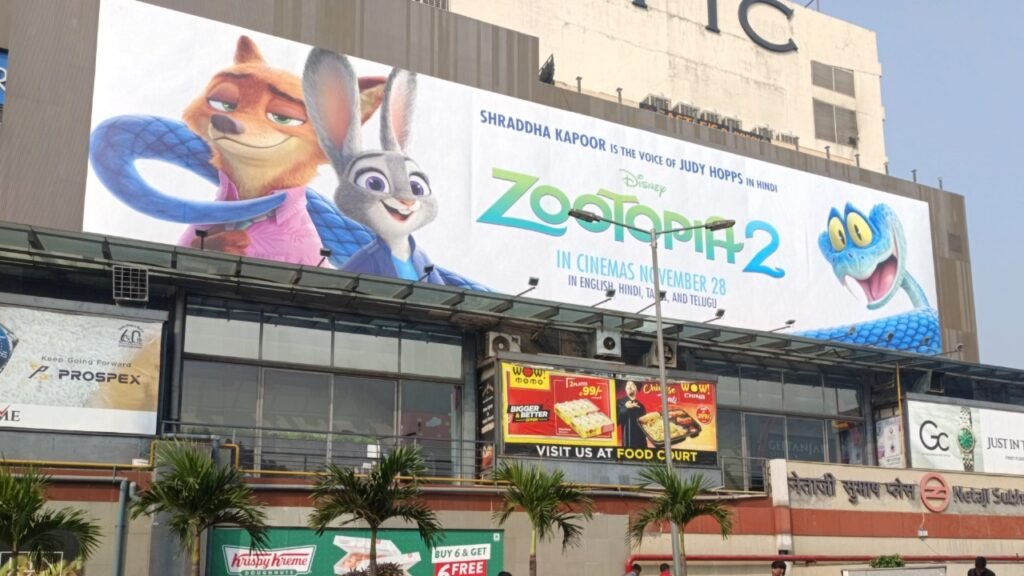

The way films are introduced to audiences has changed considerably. A movie release once depended heavily on newspaper advertisements, television promotions, posters, and traditional publicity. Today, filmmakers and distributors have access to a much wider range of communication channels.
This transformation has made film promotion and marketing more dynamic and creative. Instead of relying on one promotional method, campaigns can combine different platforms and ideas to create awareness around a film and encourage audiences to take notice.
Moving Beyond Traditional Publicity
Traditional publicity continues to have its place, but modern film campaigns can reach audiences through many additional channels. Social media, online video, digital advertising, outdoor displays, cinema advertising, public events, and innovative media formats have expanded the possibilities for film promotion.
This wider media environment allows marketers to create campaigns that are more varied and targeted. Different promotional formats can be used at different stages of the release to maintain audience interest.
The Rise of Digital Film Promotion
Digital platforms have changed how audiences discover entertainment. A trailer can generate attention online, while interviews, behind the scenes content, short videos, posters, and promotional announcements can keep the conversation active.
Social platforms also provide opportunities for audiences to interact with film related content. Comments, shares, reactions, and discussions can contribute to wider awareness and help promotional messages reach people beyond the original campaign audience.
The speed of digital communication also allows marketers to respond quickly to audience reactions and current trends.
Outdoor Advertising Still Creates Impact
Although digital media has grown rapidly, outdoor advertising remains an important part of film promotion. Large displays in busy locations can give films strong visibility and repeated exposure.
Strategic placement can help a movie reach commuters, shoppers, travellers, and other audiences during their everyday activities. Creative outdoor executions can also make promotional campaigns more noticeable and memorable.
For major releases, combining outdoor visibility with digital communication can create a stronger overall presence.
Making Film Campaigns More Creative
The increasing competition for audience attention has encouraged marketers to experiment with creative promotional concepts.
Instead of simply displaying a movie title and release date, campaigns can use unusual installations, interactive ideas, themed environments, special displays, and other creative formats.
The purpose is to make audiences stop, notice, and remember the campaign. When promotional creativity reflects the personality of the film, the advertising can become an extension of the movie’s identity.
Understanding Different Audience Groups
Modern film promotion is becoming more audience focused. Not every viewer has the same interests, media habits, or entertainment preferences.
A campaign may therefore use different communication methods for different audience segments. Younger viewers may respond strongly to digital content, while high visibility outdoor advertising can help reach broader audiences.
Understanding where different groups spend their time can help marketers decide which promotional channels deserve greater attention.
The Growing Role of Data
Data has become another important element of modern marketing. Digital campaigns can provide information about audience engagement, content performance, viewing behaviour, and other indicators.
These insights can help marketing teams identify which promotional messages are generating interest and which areas may need adjustment.
Rather than waiting until the end of a campaign to evaluate results, marketers can use ongoing performance information to refine their approach.
Creating Buzz Around a Release
A film needs momentum as its release date approaches. Promotional activity can be planned in stages to provide audiences with new reasons to pay attention.
Initial announcements can create awareness, followed by posters, teasers, trailers, songs, interviews, promotional appearances, and other campaign activities.
This gradual approach can help maintain interest instead of placing all promotional communication into a short period.
Connecting Online and Offline Campaigns
One of the major changes in film marketing is the ability to connect digital and physical experiences.
An outdoor advertisement can encourage people to search for a trailer. A public activation can generate social media content. A promotional event can become an online discussion.
These connections allow one campaign activity to support another and can help create a more unified promotional strategy.
Supporting Theatrical and Streaming Audiences
The film distribution landscape has also expanded. Many titles now have both theatrical and streaming opportunities, creating different promotional requirements.
Theatrical marketing may focus on encouraging audiences to visit cinemas, while later campaigns can introduce the film to viewers through streaming platforms.
This means marketing strategies can continue evolving even after the initial theatrical release.
The Importance of Timing
Timing has always been important in film promotion, but the number of available communication channels makes campaign scheduling even more significant.
Promotional messages need to appear at the right moment and maintain audience interest without becoming repetitive.
A carefully planned campaign can coordinate announcements, creative releases, advertising, events, and digital communication so that each stage contributes to the next.
What the Future May Bring
Film promotion is likely to become even more interactive as technology and audience behaviour continue to develop. New digital experiences, personalised communication, innovative advertising formats, and emerging media platforms may provide additional ways for films to connect with viewers.
However, technology alone cannot guarantee an effective campaign. Creative ideas, clear positioning, audience understanding, and strong execution will continue to be essential.
Conclusion
The landscape of film promotion and marketing has moved from traditional publicity toward a broader combination of digital communication, outdoor advertising, creative experiences, audience insights, and strategic planning.
The objective remains straightforward: make people notice the film and give them a reason to watch it.
As audiences continue to change the way they discover entertainment, successful film campaigns will need to adapt with them. The future of film promotion will belong to strategies that combine creativity with audience understanding and use every relevant opportunity to bring a film closer to its viewers.