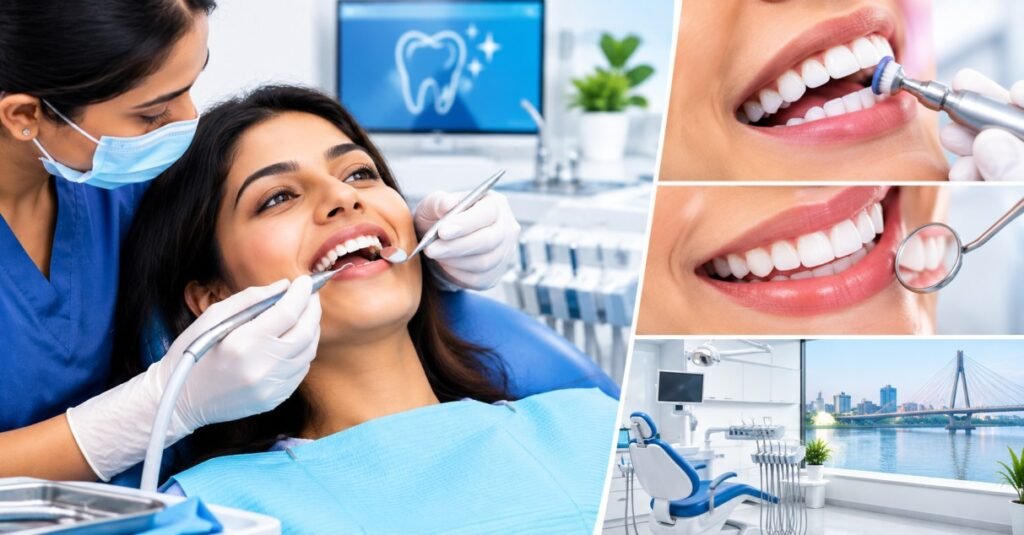

Good oral hygiene is an important part of maintaining a healthy lifestyle. Brushing and flossing every day can help keep your teeth clean, but these habits may not remove all plaque and tartar. Over time, deposits can develop around the gumline and between teeth, making professional dental cleaning an important part of preventive oral care.
For people considering teeth cleaning in Surat, knowing what the procedure involves and why it matters can help them make informed decisions about their dental routine. Here are ten useful facts about professional teeth cleaning and its role in maintaining oral health.
1. Professional Cleaning Removes Hardened Tartar
Plaque is a sticky layer of bacteria that forms naturally on teeth. Regular brushing can remove much of it, but plaque that remains on the teeth can harden into tartar.
Unlike soft plaque, tartar generally cannot be removed effectively with a normal toothbrush. Professional dental cleaning uses specialized instruments to remove these hardened deposits from the teeth and areas around the gums.
2. Teeth Cleaning Is Different From Teeth Whitening
Many people use the terms cleaning and whitening interchangeably, but they are different procedures. Dental cleaning focuses on removing plaque, tartar, and surface deposits.
Teeth whitening, on the other hand, is intended to lighten the color of teeth. Professional cleaning may make teeth appear brighter by removing external stains, but it is not designed to change the natural tooth shade in the same way as a whitening treatment.
3. Regular Cleaning Supports Gum Health
Plaque and tartar buildup around the gumline can contribute to gum irritation. Common signs may include redness, swelling, tenderness, or bleeding while brushing.
Regular professional cleaning can help control the buildup that contributes to these problems. Along with proper home care, routine dental visits can support healthier gums and help dentists identify potential gum concerns early.
4. It Can Help Reduce the Risk of Cavities
Plaque contains bacteria that produce acids capable of affecting tooth enamel. If plaque is allowed to remain on the teeth for long periods, it can contribute to tooth decay.
Professional cleaning helps remove accumulated deposits, while regular brushing and flossing help control plaque between appointments. Together, these habits can support better cavity prevention.
5. Cleaning Can Help With Surface Stains
Certain foods and beverages, including tea and coffee, can cause surface discoloration over time. Tobacco use can also contribute to staining.
Professional cleaning and polishing may remove many external stains, leaving teeth looking cleaner. However, deeper discoloration may require a separate cosmetic treatment, depending on its cause.
6. Dental Cleaning Can Support Fresher Breath
Bad breath can sometimes be associated with bacteria, food particles, plaque buildup, or gum problems. Cleaning removes deposits that may contribute to unpleasant mouth odor.
Still, professional cleaning is only one part of maintaining fresh breath. Brushing the tongue, cleaning between teeth, drinking enough water, and maintaining good oral hygiene at home are also important.
7. The Procedure Is Usually Straightforward
A routine cleaning generally involves an examination followed by the removal of plaque and tartar. The teeth may then be polished to remove certain surface stains and make their surfaces feel smoother.
The experience can differ from person to person. People with significant tartar buildup or sensitive gums may experience some discomfort during the procedure. Informing the dental professional about sensitivity can help them provide appropriate care.
8. Cleaning Appointments Can Help Detect Problems Early
A dental visit is not only about cleaning the teeth. It also gives a dental professional an opportunity to examine the mouth and identify signs of possible dental problems.
Early signs of cavities, gum inflammation, damaged teeth, or other concerns may be noticed during routine visits. Early attention can sometimes prevent a minor issue from becoming more complicated.
9. Everyone May Not Need the Same Cleaning Schedule
There is no universal rule that every person must have their teeth cleaned at exactly the same interval. Cleaning frequency can depend on oral hygiene habits, tartar buildup, gum health, dental history, and individual risk factors.
Some people may benefit from routine six-month visits, while others may require more frequent professional care. A dentist can recommend an appropriate schedule after evaluating your oral health.
10. Home Care Is Still Essential
Professional cleaning cannot replace daily oral hygiene. Once your teeth have been professionally cleaned, maintaining them requires consistent habits at home.
Brush twice daily with fluoride toothpaste and clean between your teeth regularly. Limiting frequent sugary snacks and drinks can also support oral health. Regular dental checkups allow professionals to monitor changes and provide personalized recommendations.
What Should You Consider Before Choosing a Dental Clinic?
If you are searching for teeth cleaning in Surat, consider factors such as the dentist’s qualifications, clinic hygiene, professional approach, equipment, patient communication, and the overall care provided.
A good dental visit should involve more than simply removing tartar. The dental team should also explain your oral health condition and provide practical guidance for maintaining your teeth and gums.
Infismiles is a dental care provider where patients can seek professional guidance and discuss their oral health needs. Before undergoing any procedure, it is helpful to communicate concerns such as sensitive teeth, bleeding gums, previous dental treatments, or discomfort.
Conclusion
Teeth cleaning is a simple but valuable part of preventive dental care. It can remove hardened tartar, reduce surface stains, support gum health, and help dental professionals identify potential concerns at an early stage.
If you are considering teeth cleaning in Surat, remember that professional cleaning works best when combined with consistent home care and regular dental checkups. Maintaining healthy teeth is a long-term process, and small daily habits can make a meaningful difference to your oral health.