

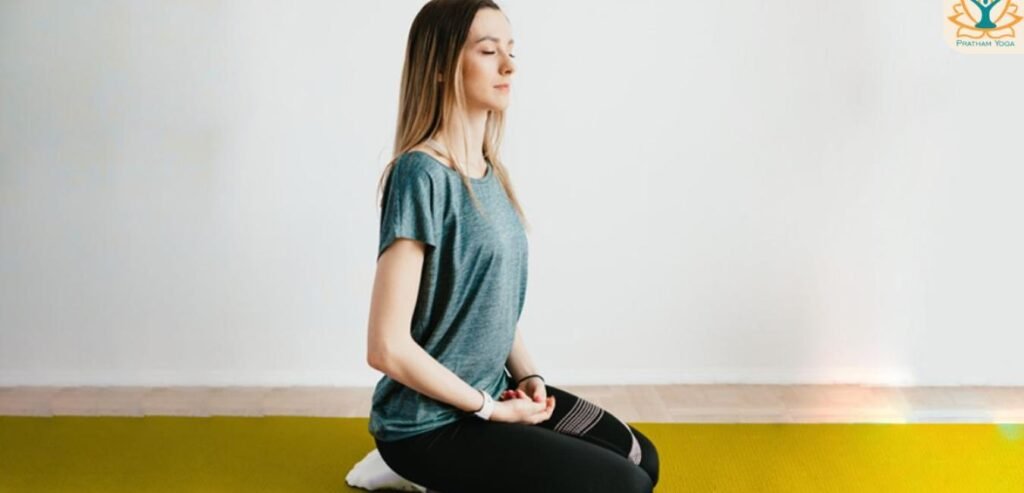

The virasana pose, commonly known as Hero Pose, is one of the most traditional seated postures in yoga. Rooted in ancient yogic practices, this pose is often used for meditation, pranayama, and mindfulness exercises. Despite its simple appearance, the virasana pose offers a wide range of physical, mental, and emotional benefits. It helps improve posture, enhances flexibility in the lower body, supports healthy digestion, and promotes a calm state of mind.
The word “Virasana” comes from two Sanskrit terms: Vira, meaning hero or warrior, and Asana, meaning posture or pose. Together, they create the Hero Pose, symbolizing strength, courage, stability, and inner confidence.
Whether you are a beginner exploring yoga for the first time or an experienced practitioner looking to deepen your seated practice, understanding the virasana pose can help you gain greater awareness of your body and mind.
What Is Virasana Pose?
The virasana pose is a kneeling seated posture in which the knees remain together while the feet are positioned slightly wider than the hips. The practitioner sits between the feet with the spine elongated and the shoulders relaxed.
Unlike cross-legged sitting positions, Virasana creates a stable base that encourages proper spinal alignment. Many yoga practitioners prefer this pose for meditation and breathing exercises because it promotes alertness while maintaining comfort.
The pose can be practiced independently or incorporated into a broader yoga sequence. It also serves as a foundation for more advanced postures such as Reclined Hero Pose (Supta Virasana).
How to Perform Virasana Pose
Practicing the virasana pose correctly is essential for maximizing its benefits and preventing discomfort.
Step-by-Step Instructions
- Begin by kneeling on a yoga mat.
- Bring your knees together while keeping your feet slightly apart.
- Ensure the tops of your feet rest flat on the floor.
- Slowly lower your hips between your feet.
- Place your hands comfortably on your thighs.
- Lengthen your spine and relax your shoulders.
- Keep your chin parallel to the floor.
- Breathe slowly and deeply.
- Hold the posture for 30 seconds to several minutes.
If your hips do not comfortably reach the floor, place a yoga block, folded blanket, or cushion beneath your sitting bones for support.
Benefits of Virasana Pose
The virasana pose provides numerous benefits that support overall wellness and physical health.
1. Improves Posture
One of the most notable benefits of the virasana pose is improved posture. Sitting upright in this position naturally aligns the spine, shoulders, and pelvis. Regular practice helps reduce slouching and promotes healthy body mechanics.
2. Enhances Lower Body Flexibility
The pose gently stretches the quadriceps, knees, ankles, and feet. Many individuals experience tightness in these areas due to prolonged sitting or physical activity. Practicing Virasana regularly can improve flexibility and mobility.
3. Supports Digestion
The virasana pose is often recommended after meals because it may aid digestion. Sitting in this posture encourages healthy circulation around the abdominal region and may help reduce bloating and discomfort.
4. Strengthens the Spine
Maintaining an upright posture in Virasana engages the muscles that support the spine. This contributes to greater back strength and improved postural awareness.
5. Relieves Tired Legs
People who spend long hours standing or walking can benefit from practicing the virasana pose. The gentle stretch helps release tension and improve circulation in the lower body.
6. Encourages Mindfulness
Virasana is frequently used for meditation because it provides a stable and grounded position. The pose encourages focused breathing and increased mental clarity.
7. Improves Breathing Capacity
By opening the chest and lengthening the spine, the virasana pose allows the lungs to expand more fully. This can support deeper breathing and improve oxygen flow throughout the body.
8. Promotes Relaxation
Regular practice can help calm the nervous system and reduce feelings of stress. Combined with mindful breathing, Virasana creates a sense of balance and tranquility.
Virasana Pose for Meditation
Meditation requires a posture that is both stable and comfortable. The virasana pose is an excellent alternative to traditional cross-legged positions, especially for individuals who experience discomfort in the hips.
The upright spinal alignment supports alertness while the grounded lower body encourages relaxation. Many practitioners find that sitting in Virasana helps them maintain focus during meditation sessions.
To enhance meditation practice:
- Sit comfortably in Virasana.
- Close your eyes gently.
- Focus on your breath.
- Observe thoughts without judgment.
- Practice for 5 to 20 minutes daily.
Virasana Pose and Pranayama
The virasana pose is also widely used during pranayama, or yogic breathing exercises. Its stable structure allows practitioners to concentrate fully on breath control techniques.
Popular pranayama practices performed in Virasana include:
- Anulom Vilom (Alternate Nostril Breathing)
- Kapalabhati
- Bhramari
- Ujjayi Breathing
- Nadi Shodhana
The pose helps maintain proper spinal alignment, allowing energy to flow more efficiently during breathing exercises.
Common Mistakes in Virasana Pose
Although the posture appears simple, several mistakes can reduce the effectiveness of the virasana pose.
Forcing the Hips Down
Many beginners attempt to sit directly on the floor even when their flexibility is limited. This can place unnecessary stress on the knees and ankles.
Slouching the Spine
A rounded back diminishes the benefits of the pose and may create discomfort. Keep the spine tall and aligned.
Holding the Breath
The pose should be practiced with slow, steady breathing. Avoid shallow or restricted breaths.
Ignoring Pain
Mild stretching sensations are normal, but sharp pain is not. Use props whenever necessary.
Variations of Virasana Pose
Different variations make the virasana pose accessible for practitioners of all levels.
Supported Virasana
Place a yoga block or folded blanket beneath the hips to reduce pressure on the knees and ankles.
Half Virasana
One leg remains folded while the other extends forward. This variation is ideal for those with limited flexibility.
Supta Virasana (Reclined Hero Pose)
In this advanced variation, the practitioner gradually reclines backward while maintaining the leg position. It provides a deeper stretch for the thighs and hip flexors.
Bound Virasana
This variation incorporates arm movements and chest opening techniques to increase upper-body flexibility.
Who Can Practice Virasana Pose?
The virasana pose is suitable for most people, including:
- Yoga beginners
- Meditation practitioners
- Office workers
- Athletes
- Students
- Older adults with proper modifications
Its adaptable nature makes it an excellent posture for various fitness and wellness goals.
Precautions and Contraindications
While the pose is generally safe, some individuals should approach it carefully.
Avoid or modify the virasana pose if you have:
- Severe knee injuries
- Recent ankle surgery
- Chronic joint inflammation
- Significant ligament damage
- Acute lower-body pain
Consult a healthcare provider or qualified yoga instructor if you have concerns about practicing the pose.
Tips for Beginners
If you are new to the virasana pose, these tips can help:
- Use props for comfort and support.
- Practice on a soft yoga mat.
- Hold the pose for short durations initially.
- Focus on maintaining a straight spine.
- Breathe deeply and evenly.
- Gradually increase the time spent in the posture.
Consistency is more important than duration when building flexibility and comfort in Virasana.
Incorporating Virasana Pose into Daily Life
One of the best aspects of the virasana pose is its versatility. It can be incorporated into daily routines in several ways:
- As a meditation seat in the morning
- During pranayama sessions
- After meals to support digestion
- At the end of a yoga practice
- During mindfulness exercises
- As a restorative posture after physical activity
Even a few minutes of daily practice can produce noticeable improvements in posture, flexibility, and mental calmness.
Conclusion
The virasana pose is a powerful yet accessible yoga posture that offers benefits for the body, mind, and spirit. From improving posture and flexibility to supporting digestion and enhancing meditation, this traditional Hero Pose remains a valuable part of modern yoga practice.
Whether you are seeking physical wellness, mental clarity, or a comfortable seat for breathing exercises, the virasana pose can help you develop strength, stability, and inner awareness. By practicing consistently and mindfully, you can experience the full potential of this timeless yoga posture and enjoy its positive effects in everyday life.