

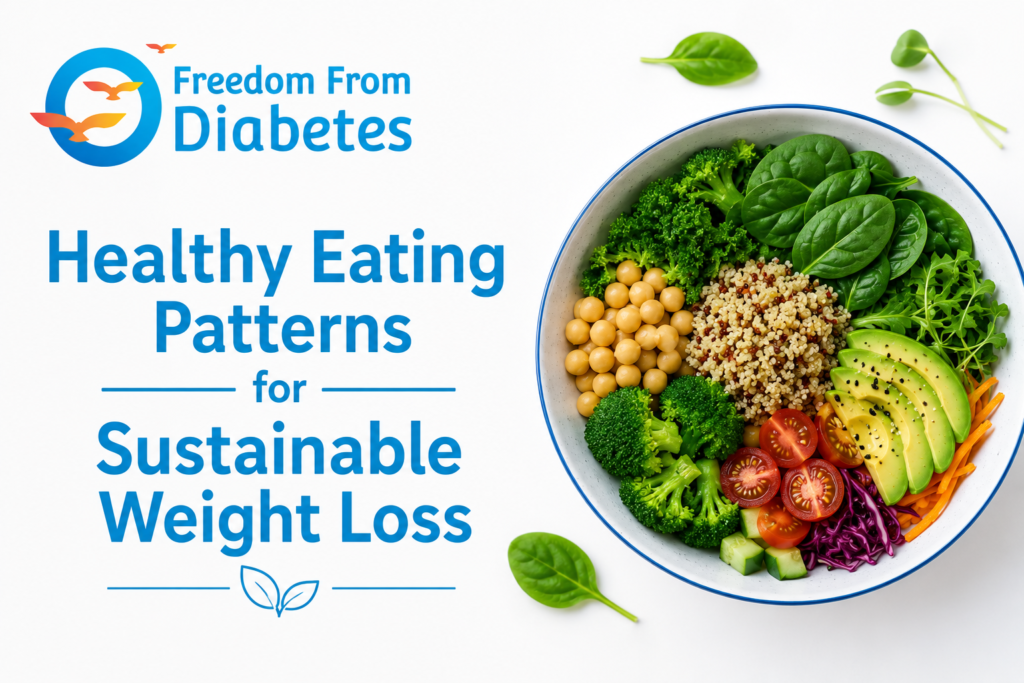

Healthy Eating Patterns for Sustainable Weight Loss: Building Habits That Last
Weight loss is often associated with strict diets, calorie restrictions, or temporary food changes. However, achieving and maintaining a healthy weight is not about following short-term trends. It is about developing sustainable eating patterns that support your body, provide essential nutrients, and fit into your daily lifestyle.
A balanced approach to eating helps improve energy levels, supports metabolism, and makes it easier to maintain healthy habits in the long run. Instead of focusing only on weight loss, the goal should be to create a healthier relationship with food.
Focus on Balanced Nutrition Instead of Restrictive Diets
Many people start their weight loss journey by eliminating entire food groups or following highly restrictive diets. While these approaches may show quick results, they can be difficult to maintain over time.
A sustainable eating pattern includes a variety of foods that provide carbohydrates, proteins, healthy fats, vitamins, minerals, and fibre. Each nutrient plays an important role in supporting overall health.
For example, whole grains provide steady energy, protein helps maintain muscle mass, healthy fats support hormone function, and fibre improves digestion and keeps you feeling full for longer.
The key is not to avoid food but to make better choices and maintain balance.
Build a Healthy Plate With Nutrient-Rich Foods
A simple way to develop healthier eating habits is by creating a balanced plate. Including different food groups in appropriate portions can help meet nutritional needs without feeling deprived.
A healthy meal can include:
- Plenty of vegetables for fibre, vitamins, and minerals
- Protein sources such as lentils, beans, dairy products, eggs, tofu, or nuts
- Whole grains like brown rice, millets, oats, or whole wheat options
- Healthy fats from seeds, nuts, and natural oils
Adding colourful vegetables and different food varieties can make meals more enjoyable while improving nutrient intake.
Choose Whole Foods Over Highly Processed Options
Processed foods often contain high amounts of added sugar, unhealthy fats, and excess sodium. Regular consumption of these foods may make it harder to maintain healthy eating habits.
Choosing whole and minimally processed foods can support better nutrition. Fresh fruits, vegetables, legumes, nuts, seeds, and whole grains are naturally rich in essential nutrients.
For example, replacing packaged snacks with roasted nuts, fruits, or homemade snacks can be a simple step toward healthier eating.
Small changes made consistently can create a significant impact over time.
Include Enough Protein for Better Satiety
Protein is an important part of a sustainable weight management plan. It helps maintain muscle, supports repair processes, and can help you feel satisfied after meals.
Including protein in every meal can help reduce unnecessary snacking and support better food choices throughout the day.
Good sources of protein include:
- Lentils and pulses
- Chickpeas and beans
- Paneer and curd
- Tofu and soy products
- Nuts and seeds
A balanced intake of protein along with regular physical activity can support overall wellness.
Practice Mindful Eating Habits
Healthy eating is not only about what you eat but also how you eat. Mindful eating encourages awareness of hunger signals, eating patterns, and portion sizes.
Some simple mindful eating practices include:
- Eating slowly and enjoying meals
- Avoiding distractions while eating
- Recognising hunger and fullness cues
- Planning meals ahead of time
These habits can help prevent overeating and create a healthier connection with food.
Maintain Consistent Meal Timing
Having a regular eating routine can make it easier to manage hunger and energy levels throughout the day. Skipping meals frequently may lead to increased cravings or overeating later.
A balanced routine may include:
- A nutritious breakfast
- A wholesome lunch
- Healthy snacks when needed
- A balanced dinner
The ideal eating schedule can vary depending on individual needs, lifestyle, and activity levels.
Stay Hydrated Throughout the Day
Water plays an important role in digestion, metabolism, and overall health. Sometimes thirst can be mistaken for hunger, which may lead to unnecessary eating.
Keeping yourself hydrated throughout the day can support better energy levels and overall well-being.
Along with water, foods like fruits and vegetables also contribute to daily fluid intake.
Make Healthy Eating a Long-Term Lifestyle Choice
Sustainable weight management does not require perfection. Occasional indulgences are a normal part of life. The focus should be on maintaining healthy habits most of the time.
Creating realistic goals, preparing meals at home, choosing nutritious ingredients, and staying physically active can make healthy eating easier to maintain.
The best eating pattern is one that you can follow consistently and that supports your overall health. By focusing on balanced nutrition and mindful choices, weight management becomes a natural part of a healthier lifestyle.
Read more about this weight management and diabetes, visit our website.