

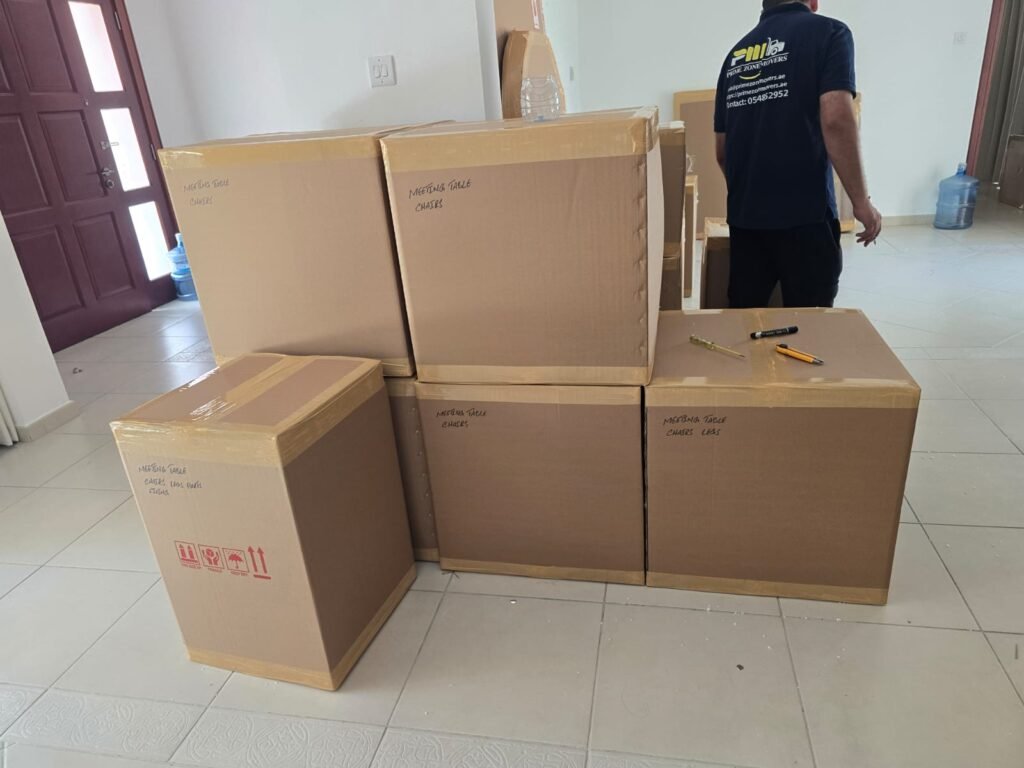

Moving becomes considerably easier when you start preparing before boxes start piling up around the house.
A successful relocation involves several connected tasks: deciding what to keep, organizing packing materials, preparing furniture, arranging building access, selecting movers and packers, protecting important documents, and planning what happens immediately after delivery.
Trying to manage all of these tasks during the final few days can result in missed items, unnecessary expenses, and moving-day delays.
This 30-day moving checklist breaks the process into manageable stages so you can prepare systematically, whether you are hiring professional movers, packing everything yourself or combining both approaches.
Why Start Planning a Move 30 Days Early?
Four weeks provides enough time to handle most ordinary household-moving tasks without completing everything at once.
Starting early allows you to:
- Compare moving companies
- Declutter unwanted belongings
- Create an inventory
- Arrange packing materials
- Identify fragile items
- Prepare furniture
- Schedule building access
- Organize important documents
- Separate essential belongings
- Confirm transportation
- Prepare the destination property
Professional movers and packers can manage much of the physical relocation, but they still need accurate information from you.
The earlier the inventory, access conditions and service requirements are confirmed, the easier it becomes to build an organized moving plan.
30 Days Before Moving: Create Your Moving Plan
The first week should focus on decisions rather than packing everything immediately.
Create a Complete Moving Inventory
Walk through every room and identify what will move.
Do not forget:
- Cupboards
- Wardrobes
- Storage rooms
- Balconies
- Garages
- Outdoor spaces
- Utility areas
- Under-bed storage
Your inventory does not need to describe every spoon or item of clothing individually.
Instead, record major furniture and estimate the number of boxes required in each room.
For example:
Bedroom 1
- King-size bed
- Mattress
- Two bedside tables
- Dressing table
- Wardrobe
- Approximately 10 boxes
Repeat the process for every area.
An accurate inventory helps movers estimate crew size, materials, working time and vehicle requirements.
Decide What Will Not Move
Moving is an opportunity to reduce unnecessary belongings.
Create four categories:
- Move
- Sell
- Donate
- Dispose
Be especially selective with:
- Broken furniture
- Unused appliances
- Old paperwork
- Unwanted clothing
- Duplicate kitchenware
- Children’s unused items
- Expired products
- Furniture that will not fit the new property
There is little benefit in paying to pack and transport something that will be discarded immediately after delivery.
Measure the New Property
Before moving large furniture, confirm that it will fit.
Measure:
- Main entrances
- Internal doors
- Hallways
- Staircases
- Elevator doors
- Bedrooms
- Living areas
- Furniture spaces
Then compare these measurements with large items such as:
- Sofas
- Wardrobes
- Beds
- Dining tables
- Desks
- Cabinets
This is especially important when moving into a smaller property.
Start Comparing Movers and Packers
Do not choose a moving company only because it provides the lowest initial quotation.
Give each company approximately the same information so you can compare equivalent services.
Ask whether the quotation includes:
- Packing
- Packing materials
- Furniture protection
- Dismantling
- Loading
- Transportation
- Unloading
- Reassembly
- Unpacking
- Storage
For a complete household relocation, professional moving and packing services can combine several of these stages rather than requiring separate providers for each task.
Request important details in writing before confirming the booking.
Questions to Ask Movers Before Booking
Ask potential movers and packers:
- Is the quotation based on my complete inventory?
- How many movers will attend?
- Are packing materials included?
- Is furniture wrapping included?
- Do you dismantle and reassemble furniture?
- Are stairs or difficult access charged separately?
- Can you handle fragile belongings?
- What happens if the inventory changes?
- Is unpacking available?
- Is temporary storage available?
- What is the payment schedule?
- What is the cancellation policy?
- How should damage be reported?
- Who will be my moving-day contact?
A detailed written estimate is much more useful than a short message containing only a price.
A useful official moving checklist also recommends comparing multiple estimates, understanding what services are included and reviewing moving documents carefully. Regulatory requirements vary, so always confirm the rules that apply to your own move.
21 Days Before Moving: Begin Packing and Administration
Around three weeks before the move, preparation should become more physical.
Decide Who Will Do the Packing
There are three main approaches.
Full Professional Packing
Professional packers prepare most household belongings.
This works well when:
- The property is large
- The schedule is limited
- Many fragile belongings are involved
- The customer wants minimal packing work
Partial Packing
You pack simple belongings while professionals handle difficult categories.
For example, you could pack:
- Clothing
- Books
- Bedding
- Children’s items
while professional movers pack:
- Glass
- Artwork
- Kitchenware
- Electronics
- Mirrors
- Furniture
DIY Packing
You purchase the materials and prepare all ordinary belongings yourself.
This can reduce professional packing labor but requires sufficient time and careful organization.
Customers who want either complete or selective packing assistance can use packing and unpacking services according to the amount of support required.
Purchase the Correct Packing Materials
Depending on the inventory, you may need:
- Small boxes
- Medium boxes
- Large cartons
- Wardrobe boxes
- Packing paper
- Bubble cushioning
- Tape
- Labels
- Markers
- Stretch wrapping
- Mattress covers
- Furniture protection
Do not assume that larger boxes are always better.
Dense items such as books should generally be placed in smaller strong cartons so the finished box remains manageable.
Large boxes work better for lightweight contents such as:
- Bedding
- Pillows
- Towels
- Soft furnishings
Start With Non-Essential Rooms
Do not begin by packing everything you use every day.
Start with belongings that will not be needed before moving day, including:
- Decorations
- Books
- Seasonal clothing
- Spare bedding
- Guest-room contents
- Collectibles
- Rarely used kitchen equipment
Daily essentials can remain unpacked until closer to the move.
Create a Box-Labeling System
Every box should identify its destination.
A useful format is:
Room – Box Number – General Contents – Handling
For example:
Kitchen – 08 – Glassware – Fragile
or
Bedroom 2 – 17 – Bedding
Numbering boxes can also help you create an inventory.
Avoid writing detailed descriptions of highly valuable belongings on the outside of cartons.
Organize Important Documents
Create one document folder that remains with you.
It may contain:
- Identification
- Moving agreement
- Property documents
- Building permissions
- Inventory
- Insurance information
- Important receipts
- Contact details
- Keys
- Delivery instructions
Do not place these documents inside general moving boxes.
14 Days Before Moving: Prepare Furniture and Access
Two weeks before moving day is a good time to focus on larger logistical issues.
Identify Furniture That Requires Disassembly
Walk through the property with furniture access in mind.
Furniture that may require partial dismantling includes:
- Beds
- Wardrobes
- Dining tables
- Desks
- Shelving
- Modular sofas
- Large cabinets
Do not dismantle complex furniture too early if it is still required.
Instead, identify what needs to be dismantled and confirm whether the movers will manage the task.
Photograph Valuable Furniture
Take photographs showing the condition of:
- Wooden furniture
- Antiques
- Glass furniture
- Electronics
- Artwork
- Mirrors
- Designer items
Photographs provide a useful record of existing scratches, repairs and general condition before packing and transportation.
Plan Furniture Placement
Sketch a simple layout of the destination property.
Decide where major pieces will go, including:
- Beds
- Sofas
- Dining tables
- Wardrobes
- Desks
- Cabinets
This prevents the moving crew from placing furniture randomly and then moving it repeatedly after assembly.
Customers relocating a complete household can use residential moving services to coordinate furniture handling, transportation and placement as part of the same relocation.
Confirm Building Requirements
Some properties have moving restrictions.
Check whether either building requires:
- Elevator reservation
- Service-elevator use
- Move-in or move-out approval
- Loading-zone reservation
- Security registration
- Protective elevator padding
- Restricted working hours
- Parking permission
Do not leave these arrangements until moving morning.
A missing elevator booking can significantly delay the relocation.
Measure Difficult Access Areas
Check:
- Narrow doors
- Staircase turns
- Elevator dimensions
- Low ceilings
- Long corridors
- Tight parking areas
Notify the moving company about difficult access before the move.
This allows them to prepare suitable equipment and labor.
7 Days Before Moving: Final Packing Stage
With one week remaining, most non-essential belongings should be packed.
Pack Room by Room
Avoid jumping between several rooms.
Complete one room or category before moving to another.
A systematic order might be:
- Guest rooms
- Decorations
- Books
- Spare clothing
- Living-room accessories
- Office files
- Kitchen extras
- Main bedrooms
- Daily-use kitchen items
Leave essential belongings until last.
Prepare Fragile Items Carefully
Fragile items need more than a “Fragile” label.
They must also be packed properly.
Use appropriate protection for:
- Glassware
- Crockery
- Mirrors
- Artwork
- Decorative pieces
- Electronics
Prevent excessive movement inside the carton.
Do not combine heavy items with delicate belongings.
Back Up Important Data
Before computers are disconnected, back up essential files.
This is particularly important for:
- Work computers
- Business systems
- Personal photographs
- Financial records
- School documents
Store backups somewhere separate from the device being transported.
Use Up Perishable Food
Reduce the amount of refrigerated and frozen food during the final week.
Plan meals around what remains in the kitchen.
Avoid packing food that may leak, spoil or create odors.
Confirm Movers and Packers
Contact the moving company and verify:
- Moving date
- Arrival time
- Addresses
- Crew
- Services
- Access
- Packing requirements
- Contact person
- Payment arrangements
Tell them about any inventory changes.
If additional furniture or boxes have been added, the mover needs to know before arrival.
3 Days Before Moving: Prepare Essentials
The final days should focus on belongings that must remain accessible.
Create a Moving-Day Essentials Bag
Your essentials bag should travel with you rather than inside the moving vehicle.
Include:
- Identification
- Medication
- Chargers
- Keys
- Wallet
- Important documents
- Basic toiletries
- Change of clothing
- Water
- Snacks
Families may also need:
- Children’s clothing
- Baby supplies
- Favorite toys
- School items
Pet owners should prepare:
- Food
- Water
- Leads
- Carriers
- Medication
- Basic cleaning supplies
Prepare a First-Night Box
A first-night box is different from your personal essentials bag.
It can contain household items needed immediately after delivery, including:
- Toilet paper
- Towels
- Bedding
- Basic cookware
- Cups
- Cleaning supplies
- Soap
- Trash bags
- Basic tools
Label this box clearly and ensure it remains easy to identify.
Empty Furniture Where Required
Remove heavy, fragile and valuable contents from:
- Wardrobes
- Drawers
- Cabinets
- Desks
Ask the movers whether lightweight contents can remain in specific strong drawers.
Never leave cash, jewelry, documents or medication inside furniture.
One Day Before Moving
The day before the move should be used for confirmation rather than major unfinished packing.
Finish Most Packing
Only immediate essentials should remain outside boxes.
Walk through every room and identify unfinished areas.
Check:
- Cupboards
- High shelves
- Under beds
- Balconies
- Storage spaces
- Utility areas
Charge Devices
Fully charge:
- Phones
- Tablets
- Laptops
- Power banks
Keep important chargers with you.
Prepare Appliances
Appliances should be prepared according to their manufacturer guidance and the moving company’s requirements.
Do not attempt technical disconnection that requires a qualified professional.
Clear Moving Pathways
Remove:
- Loose rugs
- Boxes
- Children’s toys
- Cables
- Small furniture
Movers require clear paths between rooms and exits.
When lifting items yourself, follow sensible manual-handling principles such as planning the movement, maintaining stable footing and avoiding unnecessary twisting. The HSE guidance on safe lifting and handling provides useful general safety principles.
Moving Day Checklist
Moving day should be focused on supervision and communication.
Before Movers Arrive
Complete a final check:
- Essentials bag ready
- Documents accessible
- Parking available
- Elevator confirmed
- Pets secured
- Children away from carrying routes
- Valuable belongings separated
- Destination keys available
- Phone charged
Walk Through the Property With the Crew Leader
Before loading begins, point out:
- Fragile belongings
- Items not being moved
- Furniture needing disassembly
- Priority boxes
- Restricted areas
- Valuable pieces
Try to give major instructions to one responsible crew member rather than multiple workers independently.
Monitor Inventory
Keep track of important furniture and box counts.
Where an inventory system is being used, confirm that items are recorded accurately.
Keep Pathways Clear
Do not continuously reorganize furniture while movers are carrying boxes.
Keep hallways, doors and stairs unobstructed.
Check Every Room Before Departure
Before the moving vehicle leaves, inspect:
- Closets
- Cupboards
- Drawers
- Storage rooms
- Bathrooms
- Balconies
- Kitchen cabinets
- Outdoor areas
Also check walls for items that may have been overlooked.
Delivery-Day Checklist
The relocation is not complete when the truck reaches the new property.
Confirm Furniture Placement
Tell movers where major items should go before they are unloaded.
This reduces unnecessary lifting later.
Check Box Counts
Compare delivered boxes against your inventory where possible.
Pay particular attention to priority and fragile cartons.
Inspect Major Furniture
Look for visible issues with:
- Sofas
- Tables
- Wardrobes
- Beds
- Cabinets
- Glass
- Mirrors
- Electronics
If something appears damaged, document it and follow the mover’s reporting procedure.
Supervise Furniture Reassembly
Confirm that agreed furniture has been reconstructed and positioned correctly.
Check that:
- Beds are stable
- Table legs are secure
- Wardrobe doors operate
- Shelves are installed
- Hardware is not missing
Unpack Essentials First
Do not try to unpack the whole house immediately.
Start with:
- Bathroom
- Beds
- Essential clothing
- Basic kitchen equipment
- Chargers
- Children’s or pet essentials
- Work equipment
Decorations and rarely used belongings can wait.
What Should Movers and Packers Handle?
The exact service depends on your booking.
Professional movers and packers may handle:
- Packing
- Fragile-item wrapping
- Furniture protection
- Furniture dismantling
- Box labeling
- Loading
- Transportation
- Unloading
- Reassembly
- Unpacking
- Temporary storage
Customers should confirm each service before accepting the quotation.
Do not assume that wall mounting, electrical work, plumbing, appliance installation or specialist assembly is included automatically.
What Should You Handle Yourself?
Even with a full-service move, customers should personally manage certain belongings and responsibilities.
Keep control of:
- Identification
- Medication
- Cash
- Jewelry
- Important contracts
- Property documents
- Keys
- Phones
- Chargers
- Personal valuables
You should also handle:
- Building permissions
- Personal address changes
- Utility arrangements
- Sensitive documents
- Destination access decisions
Professional movers can handle the relocation, but they cannot make every personal or administrative decision for you.
Common Moving Checklist Mistakes
Avoid these common problems.
Leaving Everything Until the Last Week
Packing an entire household in several days can lead to rushed decisions and weak organization.
Start with non-essential belongings early.
Booking Movers Without an Inventory
An incomplete inventory can lead to the wrong crew, vehicle or quotation.
Forgetting Building Access
Missing elevator or parking arrangements can delay the whole move.
Packing Important Documents
Identification and moving documents should remain with you.
Poor Box Labels
Writing only “miscellaneous” on boxes makes destination placement difficult.
Use room-based labels.
Overloading Boxes
Heavy boxes are difficult to carry and more likely to fail.
Failing to Declutter
Unnecessary belongings increase packing, transportation and unpacking work.
Not Updating the Moving Company
Tell movers if the inventory, date, or access arrangements change.
Choosing Only by Price
Compare service scope, communication, experience and written terms as well as price.
Questions to Ask Movers and Packers
Before confirming your booking, ask:
- What exactly is included in the quotation?
- Are boxes and packing materials included?
- Do you provide full and partial packing?
- Is furniture wrapping included?
- Do you dismantle furniture?
- Is reassembly included?
- How many movers will attend?
- What happens if the inventory changes?
- Are difficult-access charges possible?
- Is storage available?
- Is unpacking available?
- Who will supervise the move?
- What is the payment schedule?
- What is the cancellation policy?
- How are damaged items reported?
- What should I prepare before the crew arrives?
The answers should be documented wherever they materially affect the service or price.
Frequently Asked Questions
What do movers and packers do?
Movers and packers can prepare belongings, pack boxes, protect furniture, load the moving vehicle, transport items, unload them, and provide reassembly or unpacking services depending on the selected package.
How early should I book movers and packers?
Book once your moving date, basic inventory, and access conditions are reasonably clear.
Earlier planning provides more time to compare quotations and organize additional services.
When should I start packing before moving?
Begin decluttering and packing rarely used belongings several weeks before moving day.
Daily essentials can remain unpacked until the final days.
Can movers pack everything for me?
Many moving companies provide full packing services.
Restricted, hazardous or highly personal items may need to remain with the customer.
Should I empty drawers before movers arrive?
Remove valuables, fragile items and heavy contents.
Ask the moving company whether lightweight contents can remain inside specific furniture.
Do movers and packers provide boxes?
Many professional packing services supply moving cartons and protective materials.
Confirm whether materials are included in your quotation.
Can I pack myself and hire movers only for transportation?
Yes. Many customers use a hybrid approach by packing ordinary belongings themselves while professional movers manage furniture, loading and transportation.
What should I keep with me on moving day?
Keep identification, medication, valuables, keys, documents, phones, chargers and other immediate essentials with you.
How should I compare moving companies?
Provide each mover with the same inventory and requirements. Compare service inclusions, written terms, experience, communication, possible additional charges, and customer feedback.
What should I unpack first after moving?
Start with toiletries, bedding, essential clothing, basic kitchen items, medication, chargers and anything needed by children or pets.
Final Thoughts
A successful relocation starts well before moving day.
Thirty days gives you enough time to declutter, create an inventory, compare movers and packers, organize packing, prepare furniture and resolve access requirements without attempting everything at the last minute.
Use the first weeks for planning and non-essential packing. Use the final week for everyday belongings, furniture preparation and confirmations. Keep moving day focused on supervision, inventory and safe delivery.
Whether you choose full-service professional movers, partial packing assistance or a hybrid move, good preparation remains essential.
The more accurately the relocation is planned, the easier it becomes for both you and the moving team to complete the move in an organized and controlled way.